




Edwardian Folding Rack
An edwardian folding rack is a practical piece of domestic furniture that packs flat when not in use.
Edwardian Folding Rack
When searching for an edwardian folding rack, buyers encounter domestic items designed to collapse or fold away efficiently. The examples on this page span the Edwardian period, 1900, 1910, the Victorian era, the nineteenth century, and the Regency period.
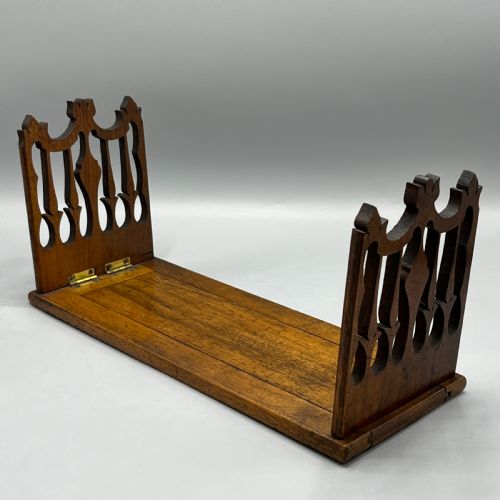
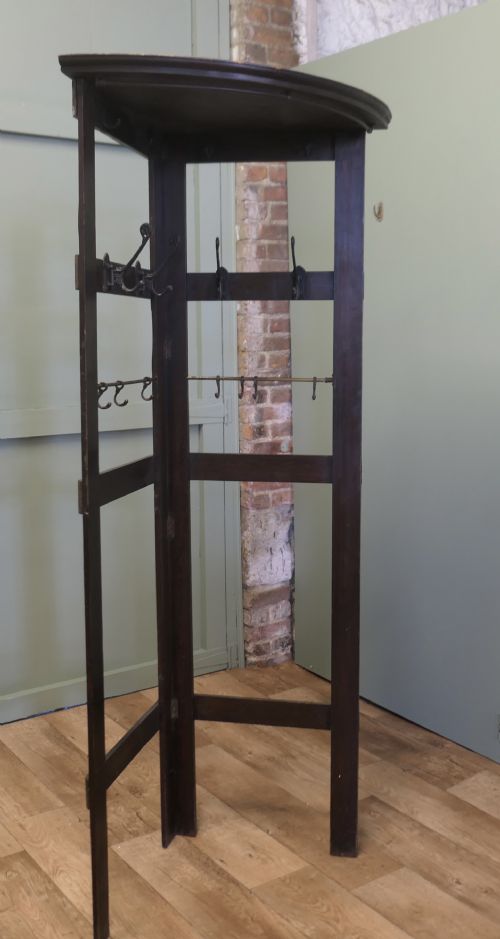
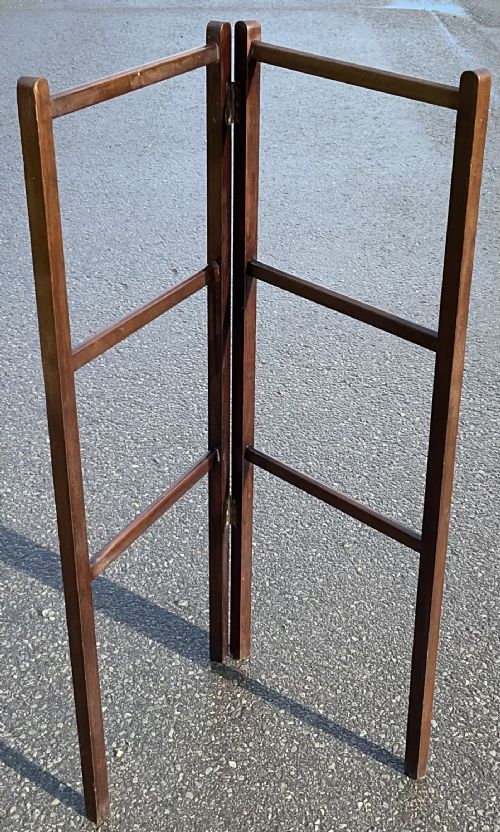
The forms recorded in the evidence cover towel rails, clothes airers, cake stands, and magazine racks. Most pieces met here take the form of folding towel rails or cake stands made during the Edwardian years.
Makers and workshops constructed these utilitarian items to save space in period homes. Their collapsible nature allowed servants to store them easily out of sight.
Materials and construction
Makers utilised timber such as mahogany, oak, walnut, stained wood, and ebonised wood to build the frames. Brass and metal fittings often provided the hinges and mounts necessary for folding movement.
Joints and pivoting hinges allowed structures like towel rails and cake stands to collapse flat. Inlaid details occasionally decorated the mahogany and walnut surfaces of Edwardian pieces.
Edwardian Folding Rack Retail Price Guide 2026
Typical asking prices for edwardian folding rack among the pieces listed under this phrase on Sellingantiques today, from the lower quarter to the upper quarter. They describe what is for sale here now, not the wider market.
Even a folding laundry rack can arrive with inlaid mahogany and brass mounts, proving Edwardians brought elegance to chores.
Assessing quality
Quality rests upon the selection of timber and the precision of the folding mechanism. Solid mahogany or walnut frames demonstrate greater care than simpler stained wood versions.
The durability of the brass hinges and metal mounts dictates how smoothly a piece collapses. Superior examples retain their original finish without excessive looseness in the joints.
Benetfink And Co·Betjemanns
The Edwardian Folding Rack Glossary
- Edwardian
- A period spanning the reign of King Edward VII, characterised by lighter furniture forms. Pieces from this era often feature inlaid mahogany.
- Mahogany
- A durable tropical hardwood favoured for its rich reddish-brown tone. Makers utilised it extensively for towel rails and cake stands.
- Ebonised wood
- Timber treated to imitate the appearance of ebony. This finish appears on nineteenth-century library accessories.
- Brass
- A copper and zinc alloy used for hinges, mounts, and extending mechanisms. It provides both strength and a decorative metallic contrast.
- Folding rack
- A collapsible wooden or metal frame designed for drying laundry or holding household items. It packs flat for storage.
Edwardian Folding Rack: Frequently Asked Questions
How do I use a folding towel rail?
A folding towel rail operates on pivoting wooden or metal hinges that allow the side frames to swing outward for hanging linens. When the laundry dries, the rails fold inward for compact storage against a wall.
These pieces function well in modern bathrooms or bedrooms as both practical drying racks and period displays.
How do I distinguish Edwardian from Victorian pieces?
Victorian pieces often display heavier proportions, darker finishes, and denser ornamentation such as Gothic revival details or ebonised surfaces. Edwardian designs generally favor lighter timbers like mahogany and simpler, more restrained lines.
Examining the secondary woods and construction methods helps clarify the manufacturing decade.
Where were these racks placed in a home?
Towel rails and clothes airers typically stood in bedrooms, nurseries, or sculleries where laundry required drying. Cake stands and magazine racks found their place in drawing rooms and libraries for afternoon tea or reading material.
Their portable nature meant staff moved them between rooms as daily household tasks demanded.