





Edwardian Flower Pendant
An edwardian flower pendant brings delicate floral motifs and fine metalwork together, offering a charming touch of early twentieth-century elegance.
Edwardian Flower Pendant
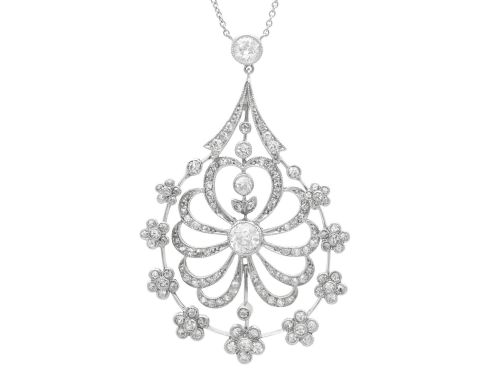
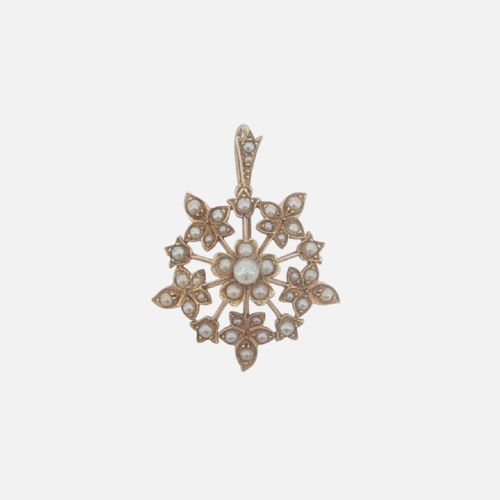
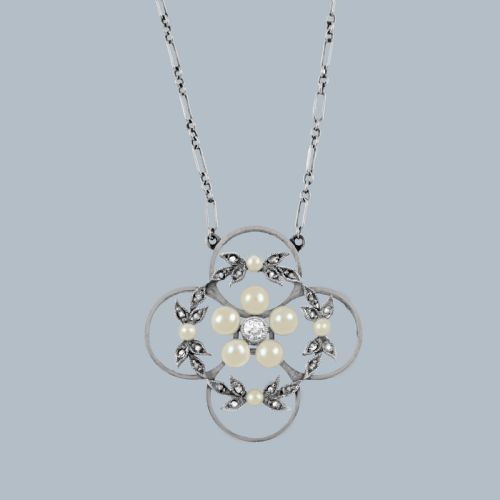
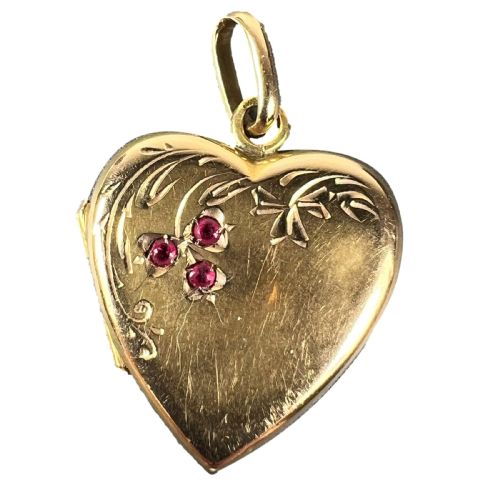
An edwardian flower pendant captures the botanical grace of the early twentieth century, combining naturalistic floral motifs with period craftsmanship. These jewels take several forms on this page, appearing as standalone pendants, convertible pendant brooches, and drop necklaces.
The materials span platinum, yellow gold, and rose gold, often set with diamonds, seed pearls, and coloured stones such as aquamarine, ruby, and jade. Periods represented stretch from the late Victorian era through the Edwardian years and into the nineteen-thirties, alongside French Belle Epoque and Arts and Crafts examples.
Buyers will encounter both understated gold and seed pearl designs alongside substantial platinum and diamond pieces. Many incorporate floral wreaths, baskets, roses, and leaves, reflecting a sustained fascination with botanical ornamentation.
How They Were Made
The construction of these pieces relies on precious metals like platinum and various carats of gold, including fifteen-carat and eighteen-carat alloys. Platinum emerged as a favoured setting material for diamonds during this period, allowing for delicate yet secure wirework and claw settings.
Goldsmiths and jewellers utilised seed pearls, faceted gemstones, and vitreous enamel to build texture and colour within the floral subjects. Hand engraving and pierced metalwork frequently define the frames and bales of the pendants, showcasing traditional bench skills.
Edwardian Flower Pendant Retail Price Guide 2026
Typical asking prices for edwardian flower pendant among the pieces listed under this phrase on Sellingantiques today, from the lower quarter to the upper quarter. They describe what is for sale here now, not the wider market.
Listings feature platinum, gold in various carats, and silver paired with materials such as diamonds, seed pearls, jade, aquamarine, ruby, enamel, and citrine.
What Varies in Quality
Quality rests on the refinement of the botanical carving, the precision of the metal piercing, and the selection of the gemstones. Superior examples display balanced proportions in their floral arrangements and secure, integrated settings for every pearl and diamond.
The choice of materials also marks distinctions across the range, moving from simple gold and seed pearl configurations to heavy platinum mountings set with large diamonds and carved jade.
Liberty and Co
The Edwardian Flower Pendant Glossary
- Seed Pearl
- A very small, naturally formed saltwater or freshwater pearl, often drilled and strung or set closely together in floral clusters.
- Platinum
- A dense, silvery-white precious metal introduced widely to fine jewellery in the Edwardian period for its strength and bright finish.
- Bale
- The loop or ring at the top of a pendant that suspends it from a chain or collar.
- Festoon
- A necklace style featuring draped chains, swags, or garlands of beads and metalwork, frequently seen in early twentieth-century designs.
- Belle Epoque
- A French period of design spanning the late nineteenth century to the First World War, characterised by light, garland-style platinum and diamond work.
Edwardian Flower Pendant: Frequently Asked Questions
How do I wear a pendant brooch?
Many early twentieth-century floral pieces were constructed with a hidden pin and a detachable or folding bale, allowing the owner to wear them either on a chain or pinned to clothing.
To wear one as a brooch, secure the pin fastening through sturdy fabric. To wear it as a pendant, thread a suitable chain through the suspension loop.
How do I care for seed pearls?
Seed pearls are relatively soft and sensitive to acids, cosmetics, and perfumes, requiring gentle handling during cleaning and storage.
Wipe them softly with a clean, damp cloth after wearing and keep them away from harsh chemical dips or ultrasonic cleaners.
How can I tell an Edwardian piece from a Victorian one?
Edwardian jewellery frequently employs platinum settings and lighter, airier openwork designs, whereas Victorian pieces often rely heavier gold mountings and closed backs.
However, stylistic crossover is common in pieces made around the turn of the twentieth century, borrowing techniques from both eras.