

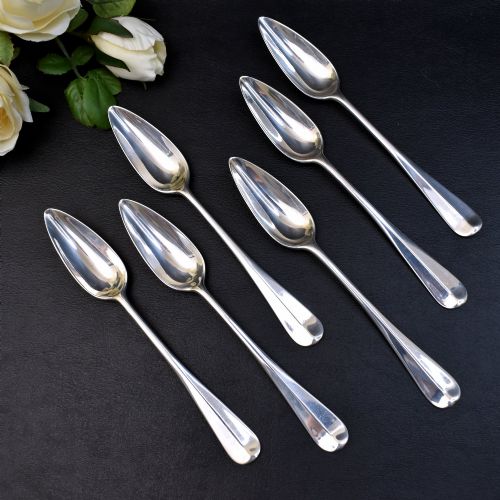
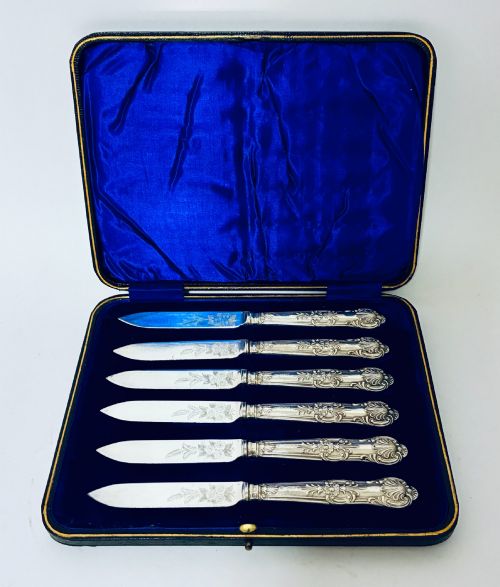


Edwardian Flatware Set
An edwardian flatware set brings matched elegance to the table through sterling silver, mother of pearl and fitted cases.
Edwardian Flatware Set
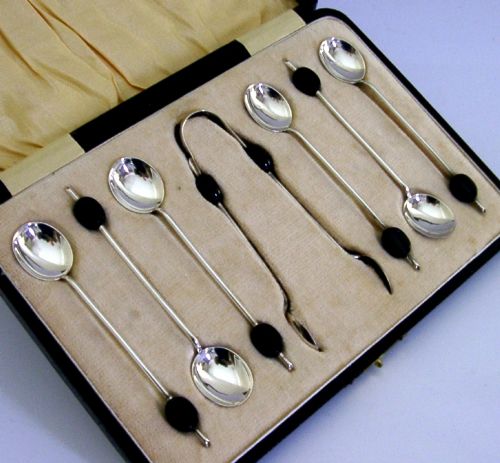
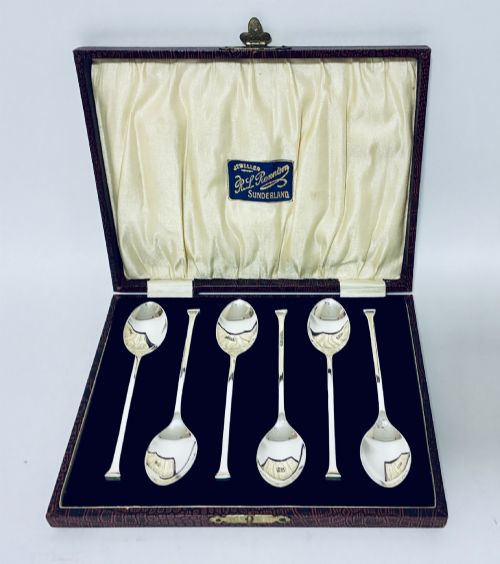
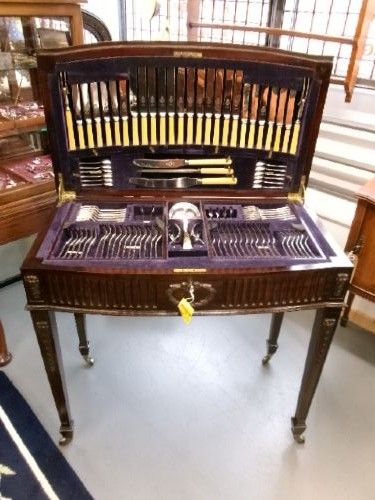
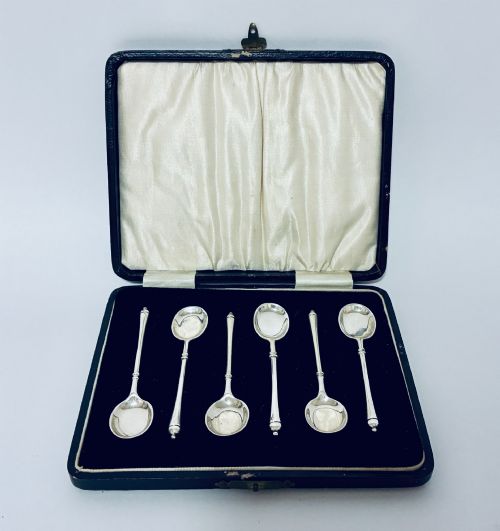
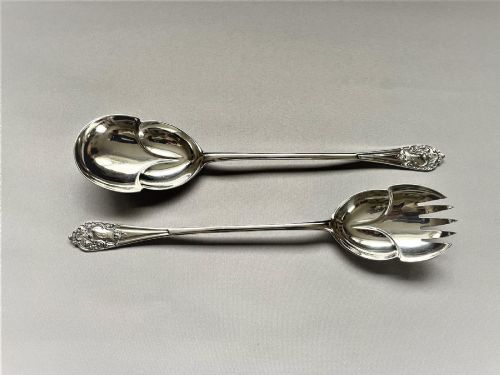
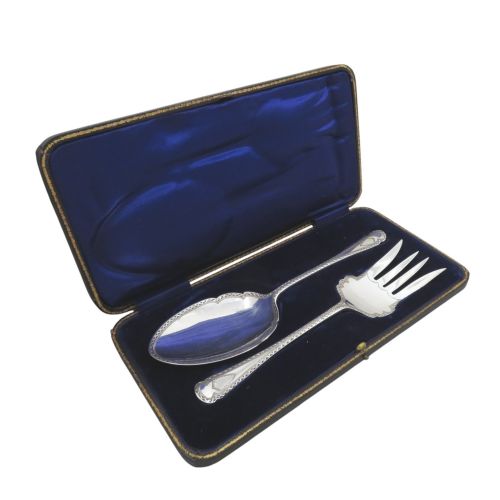
When searching for an edwardian flatware set, buyers encounter grouped dining implements spanning from the late Victorian era through to the Art Deco period. The listings include boxed teaspoons, fish servers, fruit knives and larger canteens intended for specific dining courses.
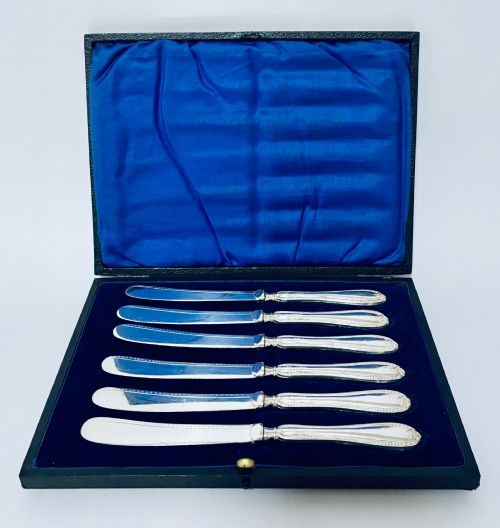
Most examples date from the Edwardian period or closely adjacent decades, appearing in sterling silver, silver plate and steel with handles of mother of pearl or antler. These pieces frequently survive within their original fitted presentation cases lined with velvet, silk or satin.
Sets range from small specialised groupings like grapefruit spoons and butter knives to extensive thirty-six piece fish services. The selection reflects the formal dining habits of the early twentieth century alongside earlier Victorian traditions.
Materials and construction
Makers utilised sterling silver and silver plate for the bowls and tines, often pairing them with organic handle materials such as mother of pearl, antler and specialised woods. Cases were constructed from wood and covered in leatherette, then lined with soft fabrics to protect the metal.
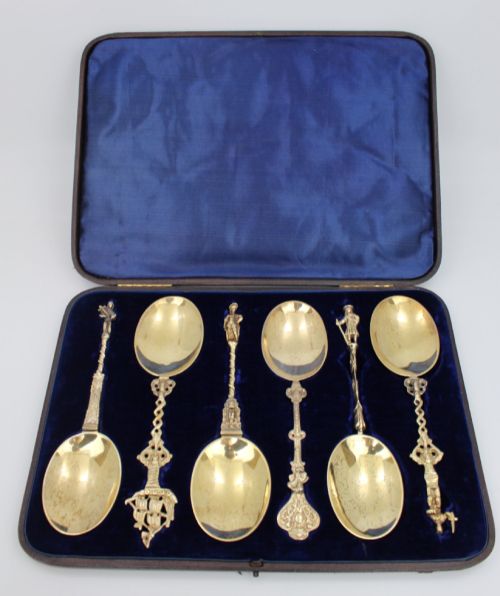
Blades and specific implements incorporate steel for durability, while select spoons receive decorative gilding known as silvergilt. Hallmarks stamped into the silver provide precise markers for assay office locations and manufacturing years.
Edwardian Flatware Set Retail Price Guide 2026
Typical asking prices for edwardian flatware set among the pieces listed under this phrase on Sellingantiques today, from the lower quarter to the upper quarter. They describe what is for sale here now, not the wider market.
Markers of distinction
Quality rests in the completeness of the service and the survival of the original fitted case, particularly when lined with intact velvet, silk or satin. Matching sets bearing clear hallmarks demonstrate superior provenance compared to assembled groupings.
The choice of handle material elevates certain pieces, such as mother of pearl or antler paired with sterling silver. Finer sets display crisp detailing on apostle spoons, engraved salad servers or enamelled surfaces.
Hamilton and Inches·Robert Stebbings
The Edwardian Flatware Set Glossary
- Sterling silver
- A silver alloy containing 92.5 percent pure silver by mass, standard for quality British tableware. This standard is verified by hallmark stamps.
- Silver plate
- A base metal coated with a thin layer of pure silver, offering the appearance of solid silver at a different scale of production.
- Silvergilt
- Silver that has been plated with a thin layer of gold on its surface. This technique creates a two-tone decorative effect on spoons.
- Mother of pearl
- The iridescent internal layer of mollusc shells, utilised for knife handles in Edwardian canteens. It provides a smooth, lustrous grip.
- Apostle spoon
- A spoon featuring a small figure of an apostle cast or engraved on the terminal of the handle. These follow historical collecting traditions.
Edwardian Flatware Set: Frequently Asked Questions
What is included in an edwardian flatware set?
Sets comprise grouped dining implements tailored for specific foods, ranging from teaspoons and fruit knives to salad servers and fish sets.
Many listings include specialised items like grapefruit spoons, butter knives, pickle forks and sugar tongs housed in fitted cases.
How do I store a cased set?
Keep the pieces inside their original velvet, silk or satin lined cases to prevent surface scuffs and tarnishing.
Store the wooden or leatherette boxes in a stable environment away from direct heat and moisture to preserve the interior fabrics.
How can I date an edwardian flatware set?
Hallmarks stamped into the silver provide assay office symbols, maker marks and date letters indicating the exact year of manufacture.
Stylistic cues such as late Victorian motifs, Edwardian elegance or Art Deco geometry also help determine the period of origin.