
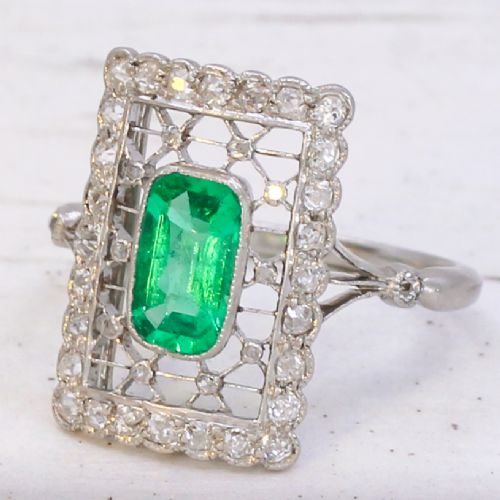
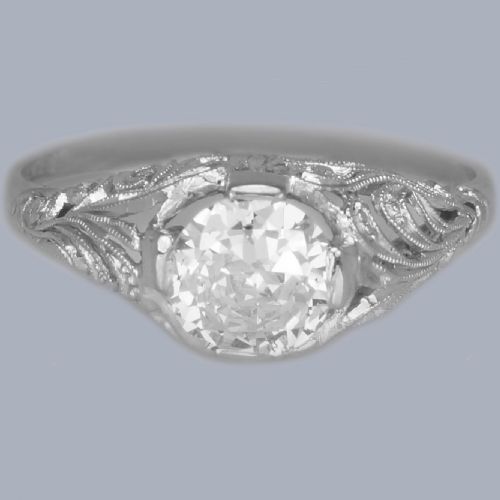


Edwardian Filigree Ring
An edwardian filigree ring brings delicate openwork metal and fine old cut stones together for a graceful hand ornament.
Edwardian Filigree Ring
An edwardian filigree ring forms part of a selection spanning the Edwardian era, Art Nouveau, Art Deco, and Victorian periods. These pieces include dress rings, engagement rings, cocktail rings, and cluster rings set with diamonds, sapphires, rubies, and emeralds.
The version most likely to appear combines platinum or gold with intricate wirework settings and old cut diamonds or coloured gemstones. Pieces range from the early twentieth century through to later decades like the 1930s and 1940s.
Makers and designers from these periods produced both delicate floral motifs and geometric arrangements. The physical forms showcase traditional craftsmanship across various gold carats and platinum grades.
How they were made
Makers utilised platinum and various carats of gold, including yellow gold, white gold, and rose gold. These precious metals were drawn into fine wires and soldered into lace-like openwork patterns characteristic of filigree.
Goldsmiths set old cut diamonds, sapphires, rubies, and emeralds into the metal frameworks by hand. Stones were secured using delicate claws, bezels, or millegrain edges that added texture to the finished jewellery.
Listings include items from the Victorian period, the Edwardian era, Art Nouveau, and Art Deco.
What varies in quality
The fineness and complexity of the metalwork separate simpler examples from more ambitious pieces. Superior construction involves precise soldering and delicate piercing that maintains structural integrity while appearing weightless.
Gemstone selection and cutting quality dictate the upper tier of these items. Old cut diamonds and natural gemstones with strong colour saturation elevate the overall standard of the jewellery.
The Edwardian Filigree Ring Glossary
- Filigree
- Openwork jewellery formed from twisted and curled fine threads of precious metal. This technique creates delicate, lace-like patterns across the surface of the ring.
- Old cut
- A diamond facet style popular before modern brilliant cuts were standardised. These stones feature smaller tables and higher crowns that produce a distinctive soft sparkle.
- Millegrain
- A decorative technique featuring a row of tiny raised metal beads along the edges of a setting. It softens harsh metal lines and adds texture.
- Plat
- A common abbreviation or stamp found on platinum mounts. Platinum gained widespread use in fine jewellery during the Edwardian period due to its strength.
- Cluster ring
- A design grouping multiple smaller stones around a central focal gem. This arrangement maximises visual impact and sparkle.
Edwardian Filigree Ring: Frequently Asked Questions
What is an edwardian filigree ring?
An edwardian filigree ring is a piece of fine jewellery featuring delicate, lace-like openwork metal soldered from fine gold or platinum wires. These rings typically incorporate diamonds, sapphires, or other precious stones set within intricate geometric or floral frameworks.
Such pieces date primarily from the early twentieth century, reflecting the craftsmanship and aesthetic priorities of the period. They remain sought after for their refined proportions and detailed metal construction.
How do I care for my ring?
Caring for delicate openwork jewellery requires gentle cleaning methods to protect the intricate metal threads and stone settings. Regular professional checks ensure that the fine claws and millegrain edges hold each gemstone securely.
Avoid wearing delicate antique jewellery during heavy manual tasks to prevent bending the fine metalwork. Storing each piece separately protects the openwork from pressure and impact.
How can I tell the period?
Dating these rings involves examining the metal types, stone cuts, and construction techniques used by the maker. Platinum mounts and old cut diamonds frequently point toward the Edwardian and Art Deco eras.
Stylistic shifts from flowing floral motifs to geometric arrangements help distinguish Edwardian and Art Nouveau examples from later Art Deco designs. Hallmarks and metal stamps provide further chronological evidence.
Were these used as engagement rings?
Many of these pieces served as engagement rings, particularly during the Edwardian and Art Deco periods. Solitaire diamond settings and cluster arrangements were both popular choices for proposals.
The intricate metalwork allowed couples to select distinctive designs that departed from plain bands. Today, collectors and buyers continue to wear them as engagement or dress rings.