
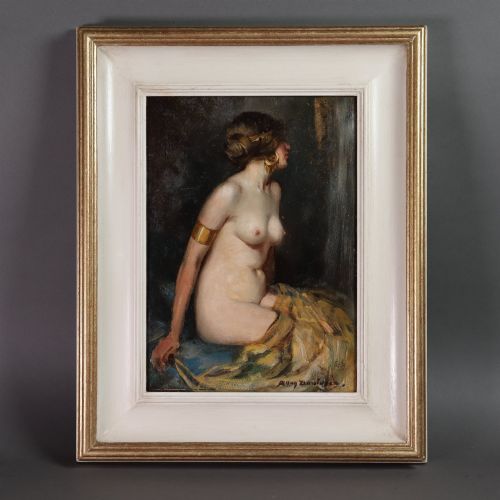


Edwardian Female Portrait Oil
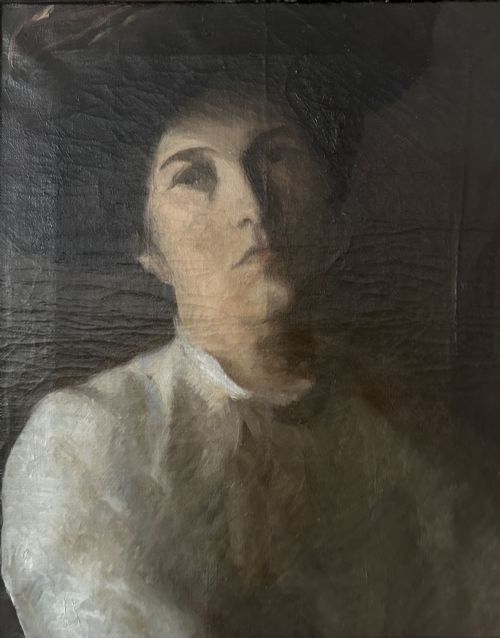
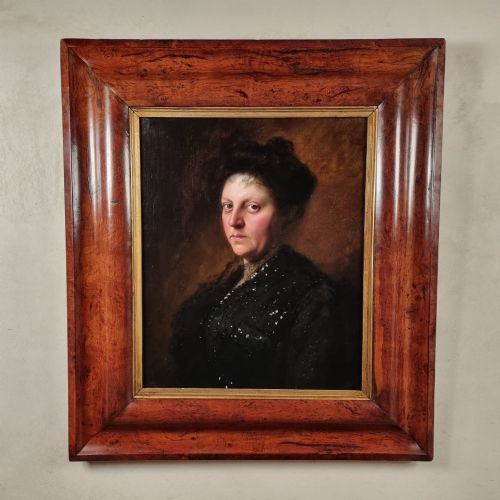
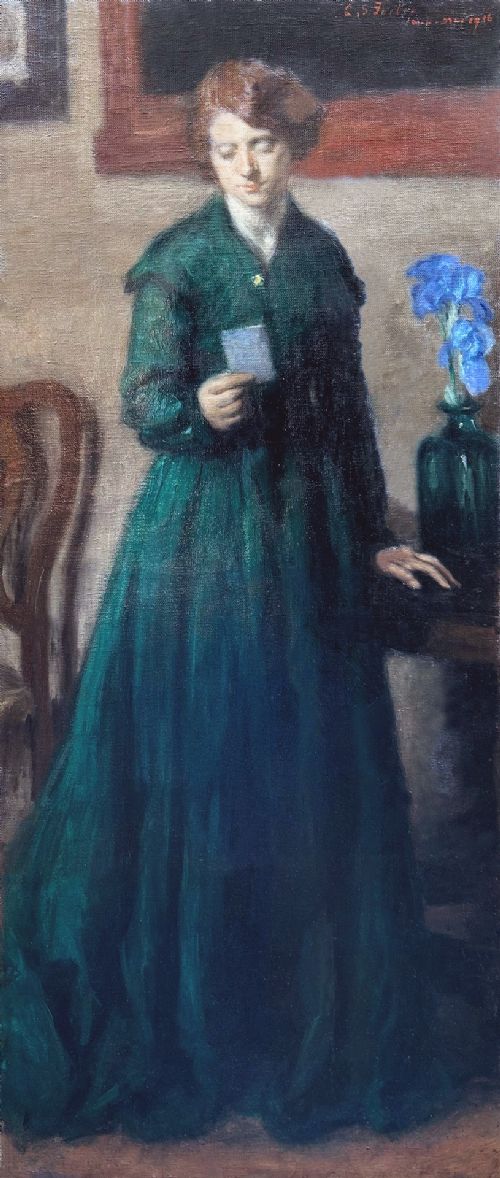
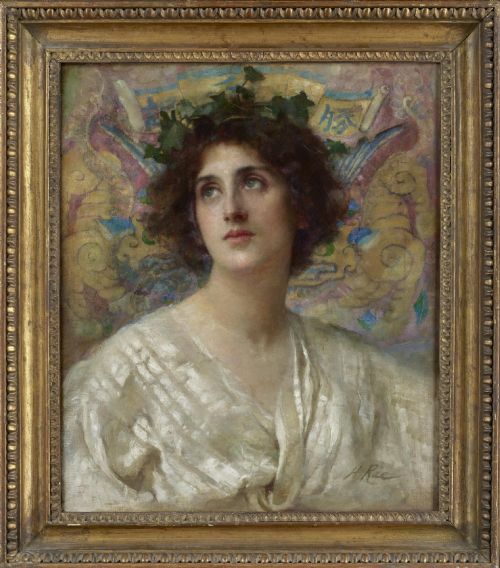
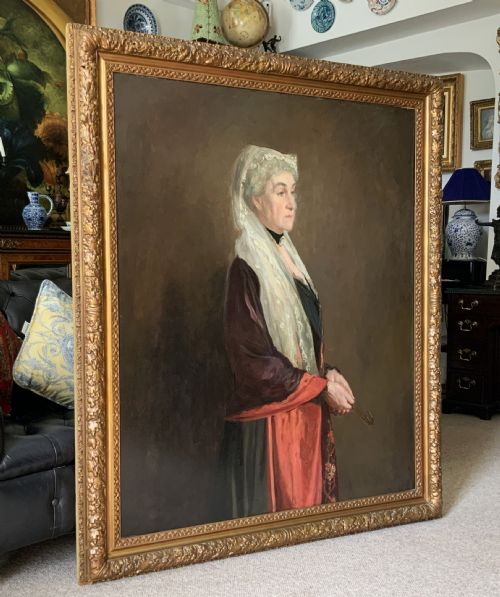
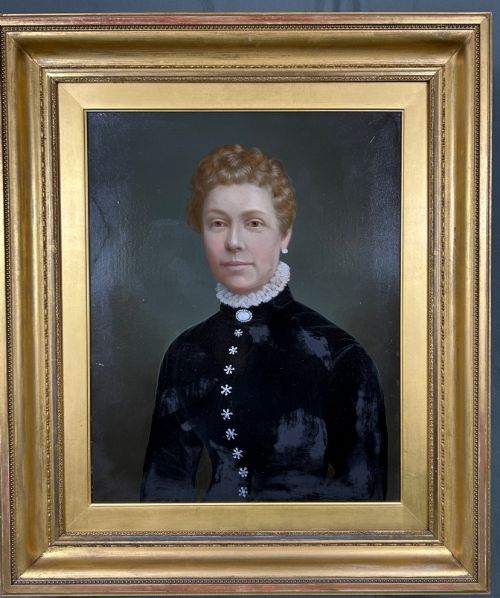
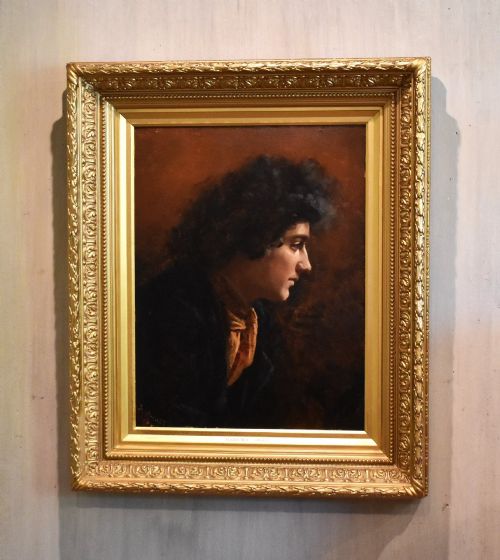
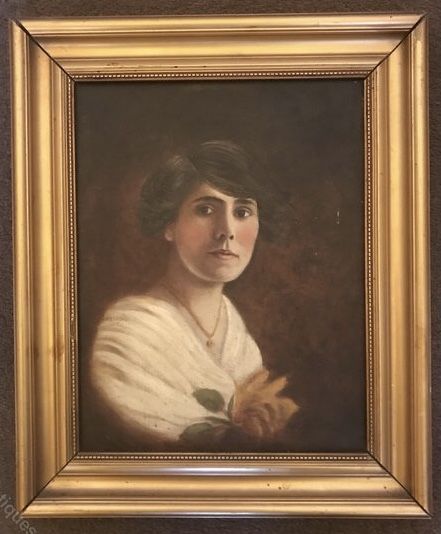
These edwardian female portrait oil paintings capture sitters in crisp academic realism, impressionist touches, and formal attire from the turn of the century.
Edwardian Female Portrait Oil
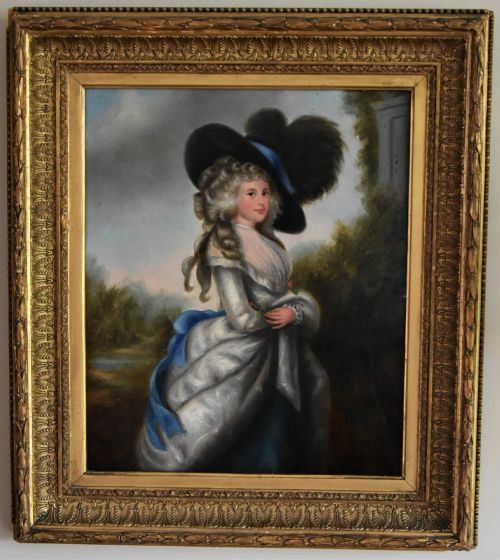
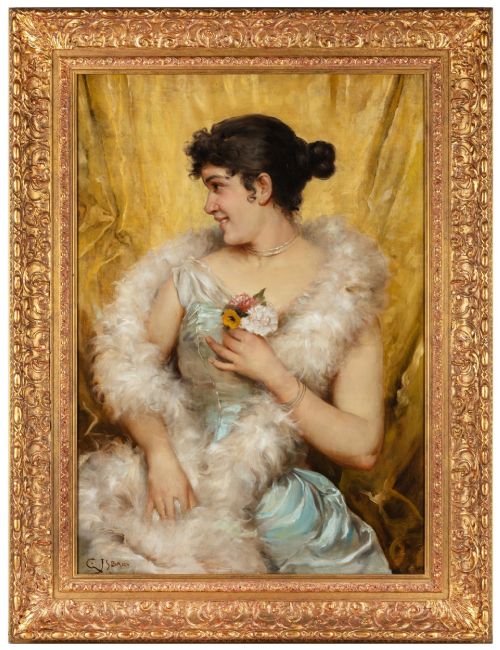
When you search for edwardian female portrait oil paintings, you find canvas and board works depicting women from the late nineteenth century through the early twentieth century. These pieces record sitters in hats, lace stoles, velvet dresses, and evening gowns, reflecting the fashions of the period.
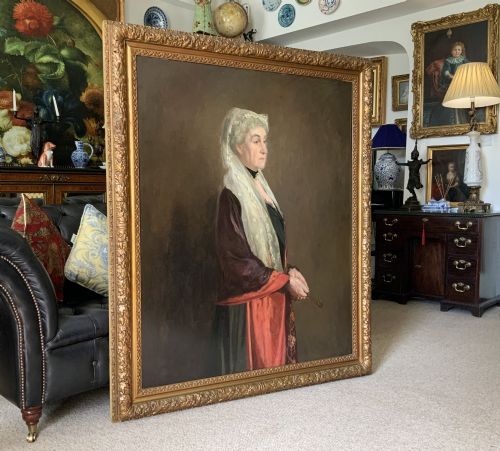
The selections on this page range from intimate cabinet paintings to monumental gallery canvases. Most examples date from the Edwardian era, alongside related works from the Victorian period, Belle Epoque, and British Impressionism.
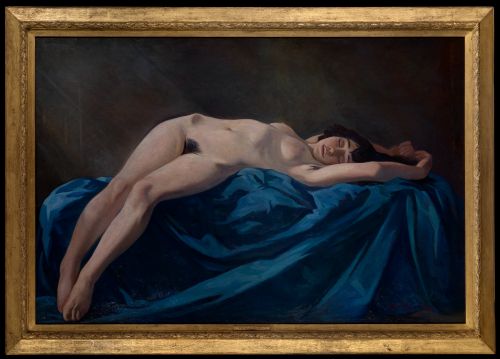
Many of these portraits are signed by listed artists or attributed to recognised schools and circles. They present both formal commissions of society figures and more intimate studies of young beauties or female nudes.
Materials and technique
The works rely upon oil paint applied to stretched canvas or wooden board surfaces. Artists utilised traditional brushwork techniques, ranging from the smooth academic finishes seen in academic realism to the looser, expressive strokes of impressionism.
Many paintings retain their original frames, constructed from wood with gilt or gilded finishes. These surrounds often complement the scale and tonal palette of the portrait within.
Several portraits preserve the intense gazes of fiercely loved family pets, including blue chow dogs posed proudly beside their owners.
Quality and execution
The presence of a clear signature by a known painter elevates a piece, as does documented provenance connecting the sitter to a specific historical figure or family.
G. J. S. Bary·Eric Robertson·Charles Stuart Forbes·Henrietta Rae·Florence Small·Allan Douglas Davidson·John Horsburgh·Alexander Maclean·William Edward Frost·Robert Edward Morrison·George Percy Jacomb-Hood·Harry Clifford Pilsbury·Lucy Kemp-Welch·John Singer Sargent·Harry John Pearson
The Edwardian Female Portrait Oil Glossary
- Oil on Canvas
- A painting medium where pigments bound in oil are applied to a woven fabric support stretched across a wooden frame. This combination allows for rich blending and textured impasto work.
- Giltwood
- Wood that has been treated with a thin layer of gold leaf or gilt powder. Antique frames often utilise this finish to enhance the presentation of the artwork.
- Belle Epoque
- A period of French and European history lasting from the late nineteenth century to the First World War. Art from this era often celebrates elegance, fashion, and social leisure.
- British Impressionism
- A painting movement in late nineteenth and early twentieth century Britain influenced by French techniques. Artists focused on natural light and looser brushstrokes while retaining traditional subject matter.
- Academic Realism
- A style of painting produced under the influence of European academies of art. It prioritises precise draughtsmanship, smooth finishes, and formal composition.
Edwardian Female Portrait Oil: Frequently Asked Questions
How do I date an edwardian female portrait oil painting?
Dating relies primarily on the sitter's costume, hairstyle, and the painter's active years recorded in signatures or biographical archives. Clothing styles such as high lace collars, large picture hats, and evening gowns offer reliable chronological clues for the period around nineteen hundred.
Frame styles and stretcher construction also provide supporting evidence for age. Comparing the canvas preparation and backing materials to known period examples helps narrow down the decade.
Are these oil paintings signed by the artist?
Many examples feature visible signatures, monograms, or studio inscriptions placed in the corners of the canvas or board. Some works include contemporary exhibition labels or handwritten notes on the reverse identifying the sitter and painter.
Unsigned pieces are frequently attributed to particular schools or circles based on stylistic comparisons with documented works. Attribution notes in the listing details indicate whether a signature is present or if the work is attributed by style.
How should I clean and care for an antique oil painting?
Keep these paintings away from direct sunlight, high humidity, and rapid temperature fluctuations to protect the canvas and oil pigments. Dust the surface very gently with a dry, soft brush without applying pressure to the paint layer.
Avoid using water, commercial cleaners, or chemical solvents on the paint or gilt frame. Professional conservation should be sought if the canvas requires deep cleaning or structural repair.
What is the difference between oil on canvas and oil on board?
Oil on canvas involves stretched fabric that offers a slight spring under the brush and a textured weave visible beneath the paint. Oil on board uses a rigid wooden or composition panel that provides a firm, unyielding surface for finer brushwork.
Both supports were used during the period, with boards often appearing in smaller sketches or preparatory studies. The choice of support does not automatically dictate the quality of the finished portrait.