


Edwardian Emerald Ring
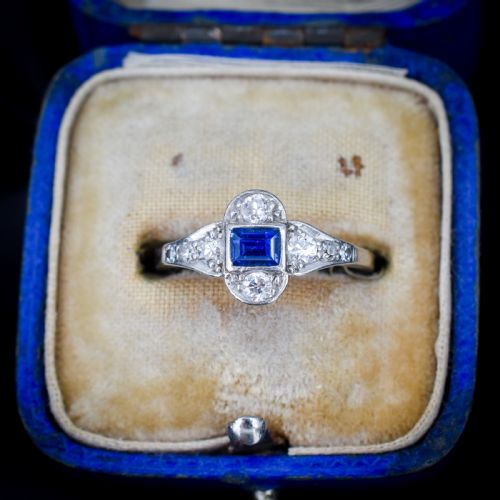
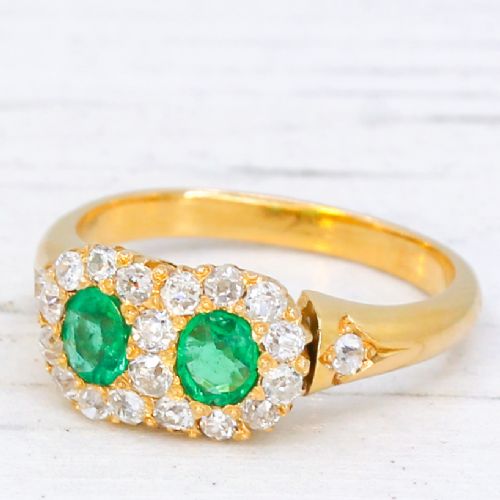
An edwardian emerald ring combines the vivid green of Colombian stones with delicate diamond work set in platinum and gold.
Edwardian Emerald Ring
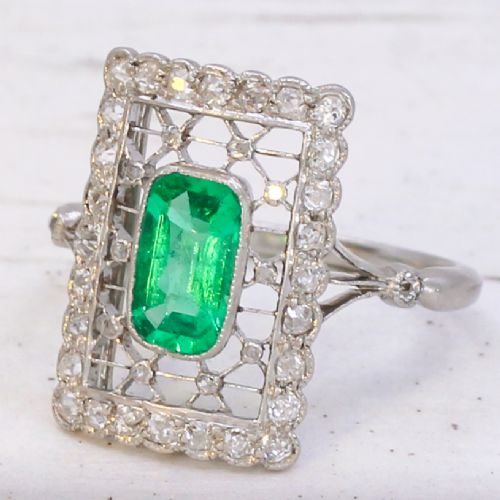
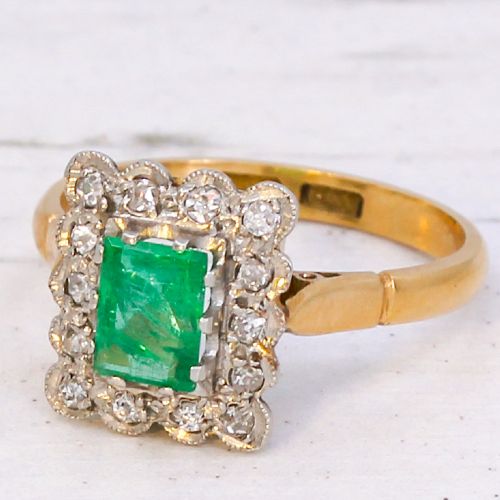
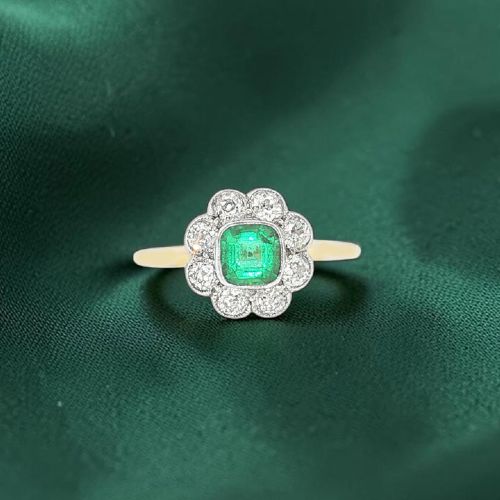
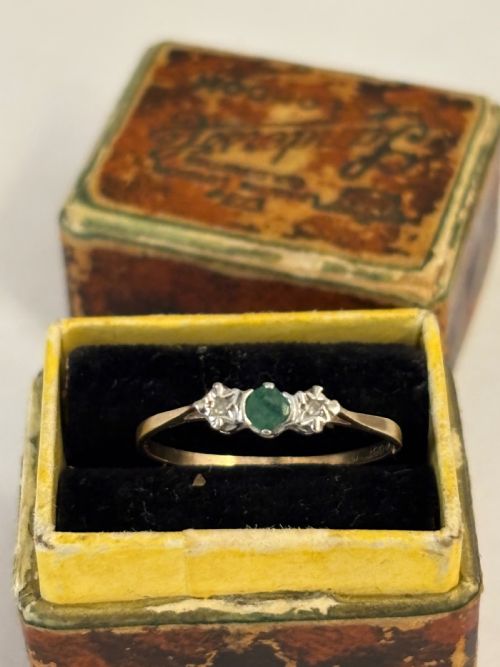
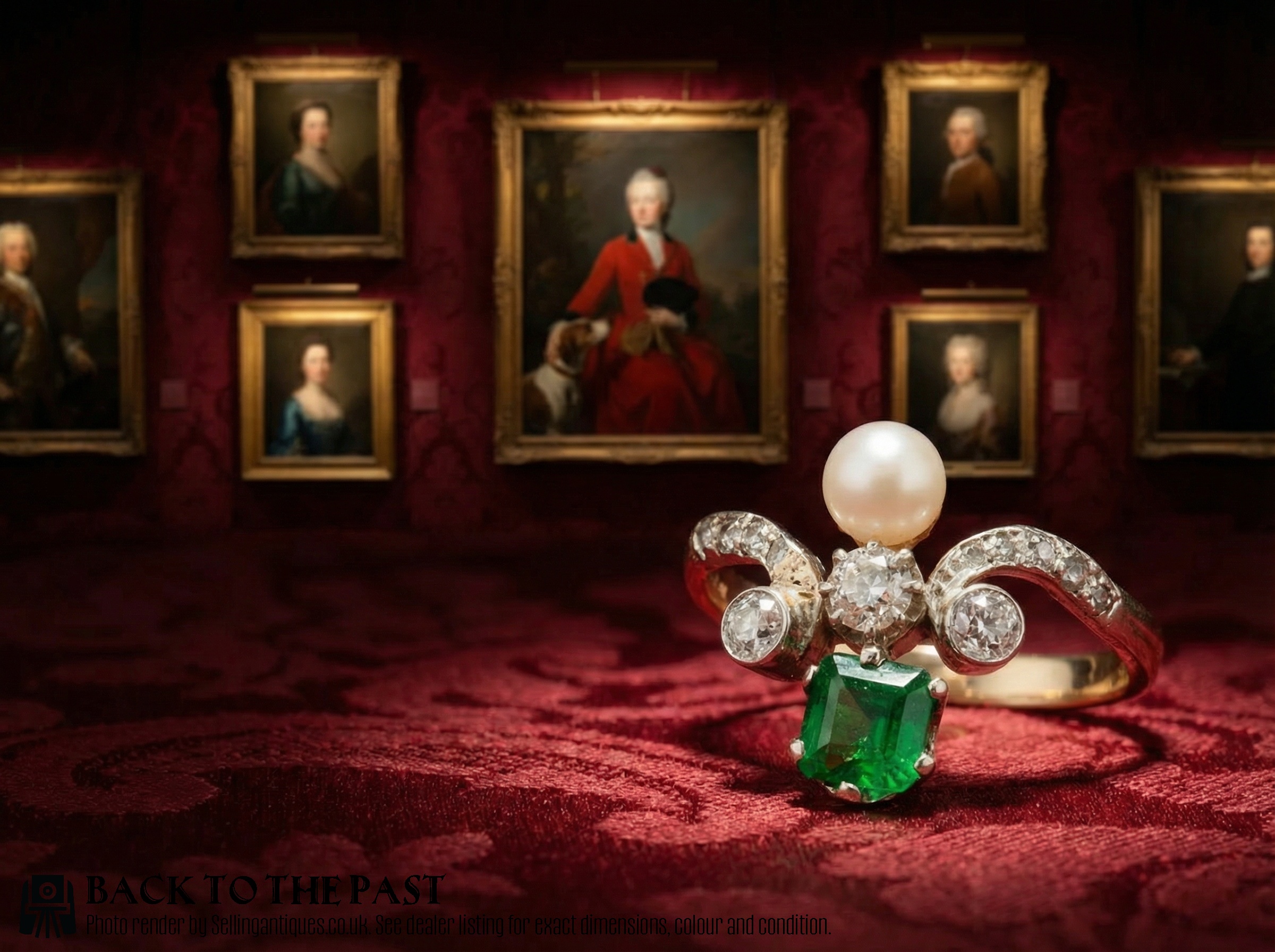
An edwardian emerald ring typically pairs a central green beryl with sparkling diamonds in cluster, navette, or trilogy formats. These jewels reflect the graceful aesthetic of the early twentieth century, spanning periods from nineteen hundred to the nineteen twenties.
Makers of the era utilised platinum alongside yellow and white gold to construct intricate mountings that maximise light capture. Surviving pieces range from delicate floral clusters to substantial cabochon solitaires originating from workshops in Britain and France.
Buyers encounter diverse configurations, including target clusters, five-stone rows, and elongated marquise shapes. Colombian stones appear frequently, often accompanied by certification detailing oil treatments.
Materials and Construction
Goldsmiths combined yellow gold with platinum and eighteen-carat white gold to support emerald and diamond combinations. Platinum claws and millegrain settings securely hold old cut diamonds around central emeralds without overwhelming the stones.
Lapidaries shaped emeralds into cushion, step, and cabochon cuts before mounting them alongside rose cut or old mine cut diamonds. Jewelers utilised open-back settings to allow maximum light transmission through both emeralds and diamonds.
Edwardian Emerald Ring Retail Price Guide 2026
Typical asking prices for edwardian emerald ring among the pieces listed under this phrase on Sellingantiques today, from the lower quarter to the upper quarter. They describe what is for sale here now, not the wider market.
Listings feature platinum, yellow gold, and white gold alongside emerald, diamond, and pearl materials.
Markers of Quality
The fineness of an edwardian emerald ring rests upon the geographic origin and clarity treatment of the emerald itself. Colombian stones possessing minimal oil enhancement command greater attention than heavily treated alternatives.
Execution of metalwork defines the upper tier of production, particularly precise millegrain edging and balanced diamond weight. Symmetrical cluster arrangements and well-matched diamond side stones elevate the overall standard of the jewel.
The Edwardian Emerald Ring Glossary
- Millegrain
- A decorative technique featuring a row of tiny raised metal beads along the edge of a setting. This method softens metal borders and adds texture to early twentieth-century mountings.
- Navette
- A boat-shaped ring design that tapers to sharp points at either end. This silhouette extends gracefully along the finger.
- Old cut
- A diamond cut predating modern brilliant faceting, characterised by a smaller table and high crown. These stones produce a softer, candlelight sparkle.
- Trilogy
- A ring featuring three main stones set in a row. The arrangement traditionally represents the past, present, and future.
Edwardian Emerald Ring: Frequently Asked Questions
How do I care for an edwardian emerald ring?
Emeralds are softer than diamonds and require gentle cleaning with warm soapy water and a soft cloth. Ultrasonic cleaners and harsh chemicals must be avoided to protect the stone and any natural oils.
Store the ring separately from harder jewellery to prevent scratching. Regular checks by a jeweller ensure the platinum or gold claws remain secure.
What metal is most common in these rings?
Yellow gold forms the base of many early examples, while platinum and eighteen-carat white gold gained prominence for top-tier mountings. Platinum allowed jewellers to create finer, stronger wire settings.
Combination mounts featuring yellow gold shanks with platinum heads appear frequently in pieces from this era. Hallmarks often indicate the specific gold standard used by the maker.
Are these rings suitable for daily wear?
While durable enough for careful everyday use, emerald rings require mindfulness due to the natural inclusions within the gemstone. Protective settings help shield the edges from accidental impacts.
Removing the ring during heavy manual tasks prevents undue stress on the claws and band. Proper maintenance preserves the structural integrity of antique platinum and gold settings.
How are these rings dated accurately?
Stylistic markers such as millegrain decoration, platinum use, and specific diamond cuts help determine the period of manufacture. Hallmarks on the metal shank provide official assay office stamps and date letters.
Comparison with documented pieces from the nineteen hundreds and nineteen tens aids verification. Certification from gemological laboratories often confirms the age and origin of the central emerald.