

Edwardian Earrings
Edwardian earrings bring delicate openwork and bright diamonds into daily wear, offering the refined grace of the early twentieth century.
Edwardian Earrings
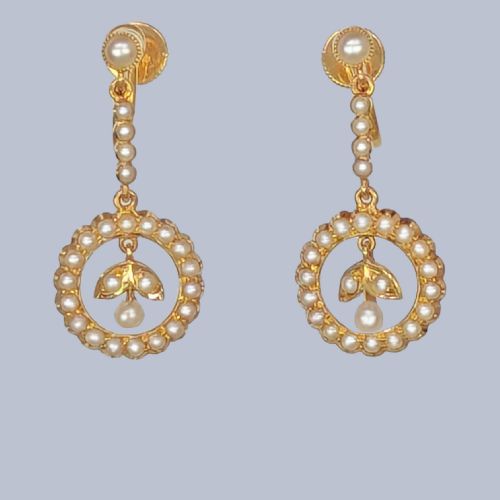
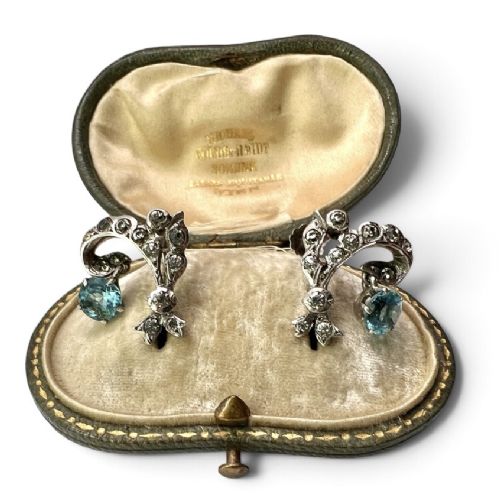
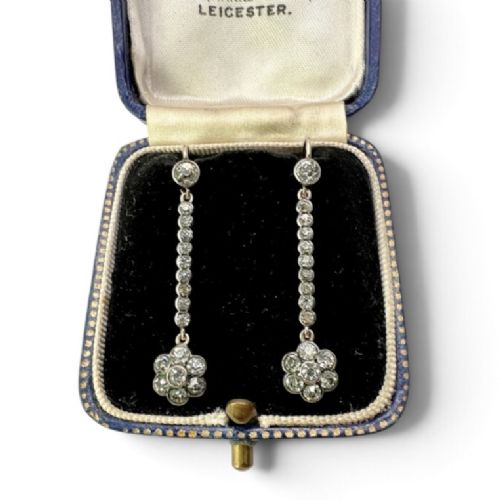
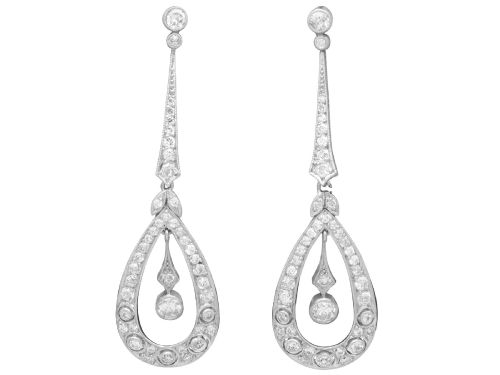
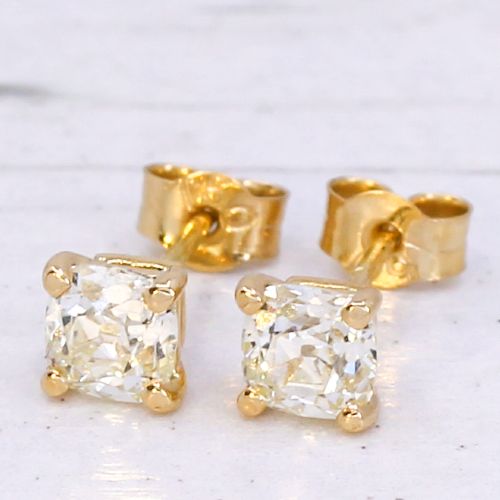
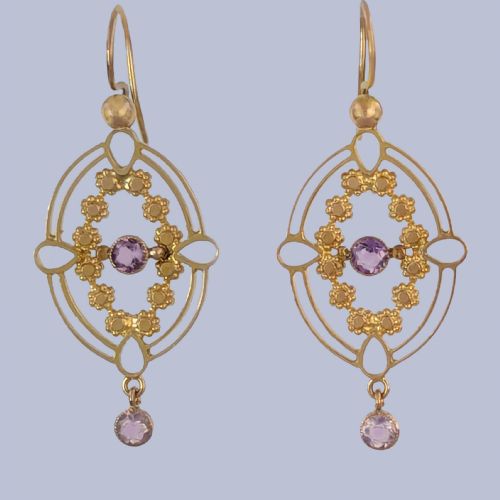
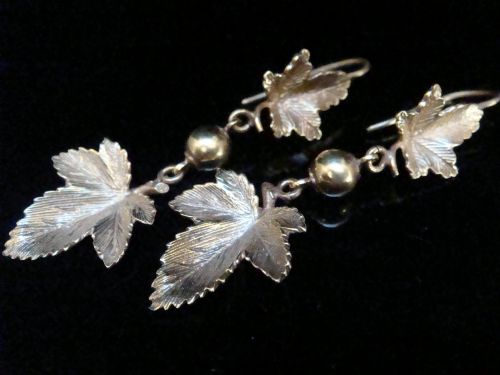
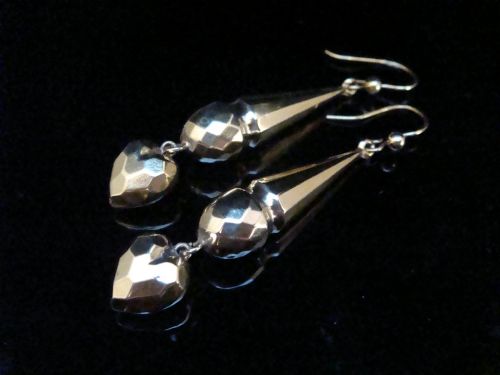
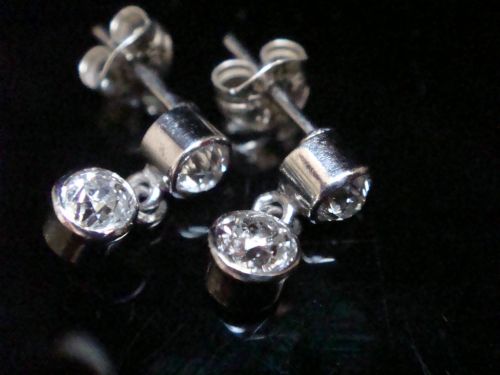
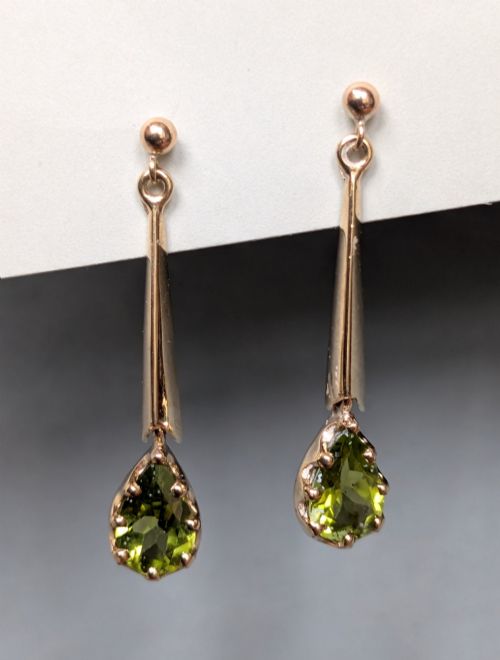
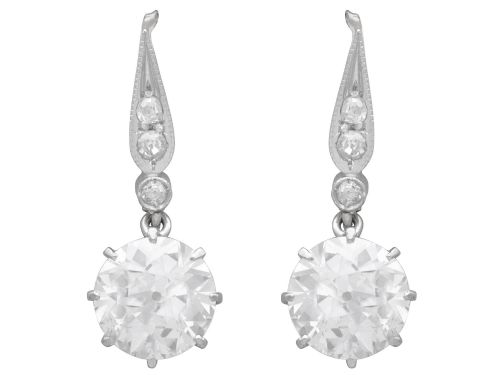
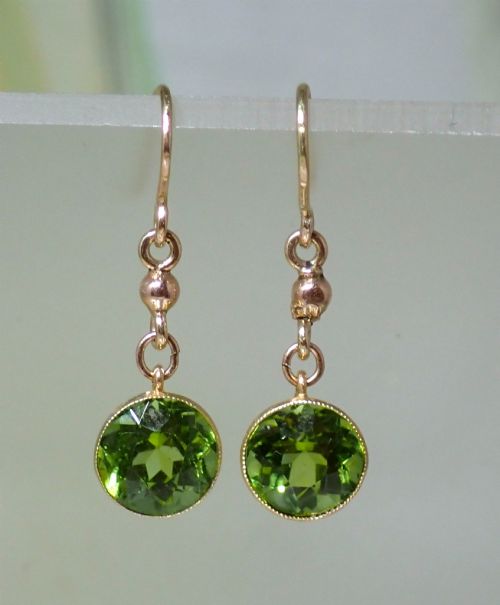
When you search for edwardian earrings, you enter a sphere of delicate floral motifs, openwork frames, and subtle drop designs. The pieces you meet most often combine light gold settings with pearls, amethysts, peridots, or small old cut diamonds.
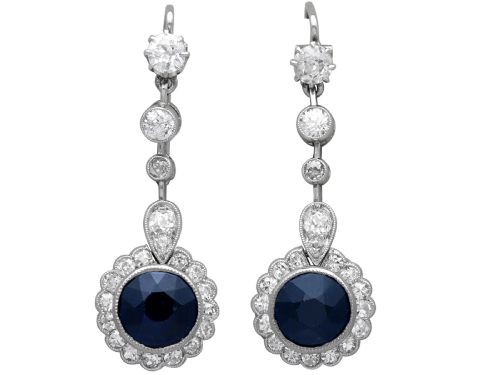
The selection extends from simple 9ct gold drop earrings to elaborate platinum and diamond clusters. Alongside strict Edwardian work, you encounter pieces spanning from the late nineteenth century through the Art Deco era of the 1920s and 1930s.
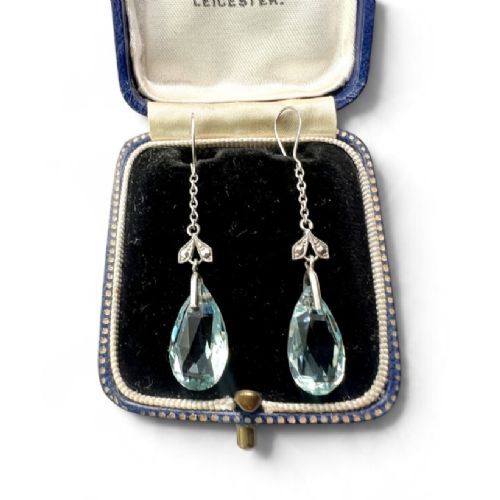
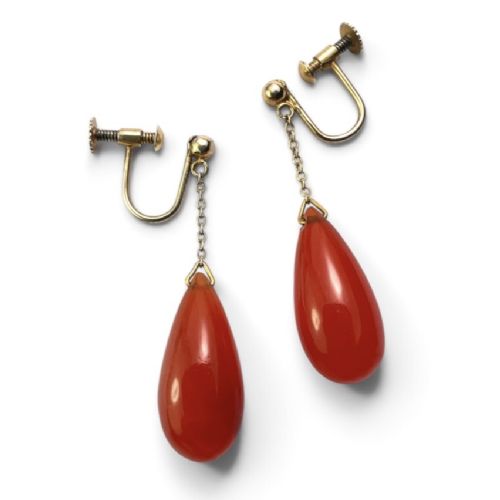
Makers utilised various configurations, including screw-on backs for non-pierced ears and chain drops that catch the light with movement. Shell cameos, turquoise, and coloured pastes also appear within these historical classifications.
Materials and Technique
Goldsmiths of the period frequently worked in 9ct and 15ct yellow gold, often combining gold with silver front mounts to hold diamonds securely against a brighter metal surface. Platinum emerged as a favoured metal for delicate, high-tension settings during the later Edwardian years and subsequent Art Deco period.
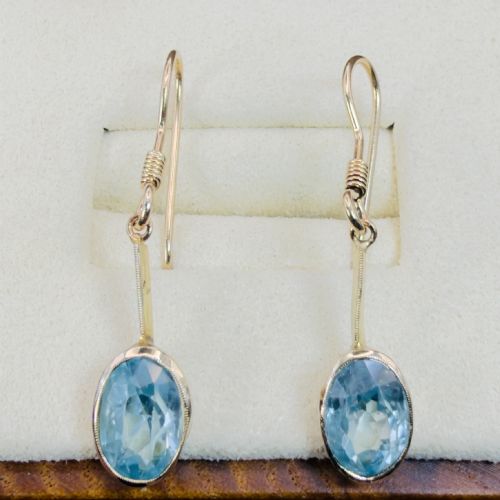
Gemstones were hand-cut into old cuts, rose cuts, and pear or oval shapes, then set within pierced openwork frames or intricate floral clusters. Artisans employed chain links to create gentle movement in drop and dangle earrings, utilising bezel and prong methods to secure stones like amethyst, aquamarine, and peridot.
Edwardian Earrings Retail Price Guide 2026
Typical asking prices for edwardian earrings among the pieces listed under this phrase on Sellingantiques today, from the lower quarter to the upper quarter. They describe what is for sale here now, not the wider market.
Gemstone choices span traditional diamonds and pearls to coloured stones like aquamarine, jadeite, and chrysoprase.
Quality Variations
Material selection divides the range clearly, with platinum and high-carat gold settings housing genuine sapphires, diamonds, and opals commanding greater presence than silver-gilt versions set with paste or synthetic stones.
Knoll & Pregizer
The Edwardian Earrings Glossary
- Old cut
- A diamond cut characteristic of the late nineteenth and early twentieth centuries, featuring a smaller table and larger culet that produce a softer, candlelit sparkle.
- Openwork
- Metalwork pierced and cut through to create decorative patterns and negative space, common in delicate Edwardian frames.
- Paste
- Hand-cut and polished lead glass used historically as a gemstone substitute in period jewellery.
- Screw-on
- A mechanical earring backing featuring a threaded screw mechanism designed for non-pierced lobes.
- Chinoiserie
- A decorative style reflecting Chinese artistic influences, sometimes found in specific thematic Edwardian designs.
Edwardian Earrings: Frequently Asked Questions
Are edwardian earrings suitable for daily wear?
These historical pieces require gentle handling due to their delicate metalwork and older stone settings. Wearing them with care preserves the fine openwork and fragile gold or platinum components.
Storing them individually prevents friction against other items in your collection. Regular checks by a specialist ensure the security of older diamond and gemstone configurations.
How do I identify genuine edwardian earrings?
Authentic pieces typically display period-specific characteristics such as hand-cut diamonds, openwork floral motifs, and characteristic 9ct or 15ct gold alloys. Examining the metal colour and fastening types helps determine the era of production.
Many examples feature screw-on fittings or early hook wires consistent with the opening decades of the twentieth century. Hallmarks and workshop stamps, where present, offer further verification of the manufacturing period.
What is the difference between edwardian and art deco earrings?
Edwardian designs lean towards flowing botanical motifs, lace-like platinum or yellow gold openwork, and softer coloured gemstones like peridot and amethyst. They emphasise organic curves and delicate craftsmanship.
Art Deco pieces transition into geometric symmetry, straight lines, and stark contrasts utilising platinum alongside calibrated sapphires or bold diamonds. The shift moves from romantic naturalism to architectural precision.
Can screw-on earrings be converted for pierced ears?
Conversion is often possible through a skilled jeweller who can replace the screw mechanism with standard posts or hooks. This alteration makes historical pieces practical for modern wearers.
Consulting a specialist ensures the original metalwork is not unnecessarily compromised during the adaptation process. Retaining the original components is advisable for historical preservation.