






Edwardian Drinks Tray Silver
An edwardian drinks tray silver brings period hospitality to the sideboard, offering a sturdy surface for decanters and glasses.
Edwardian Drinks Tray Silver
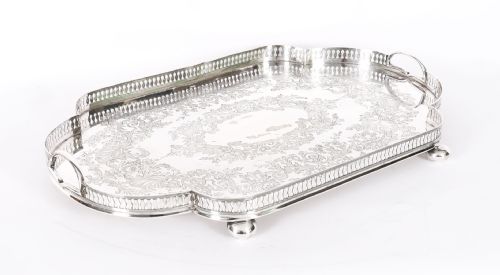
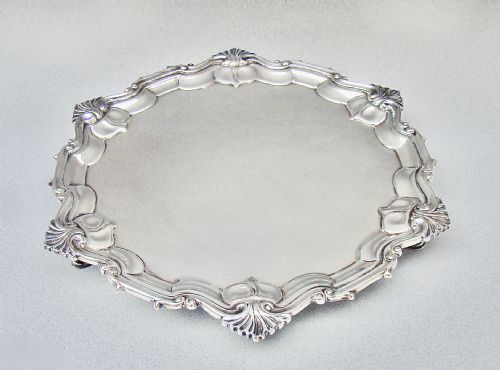
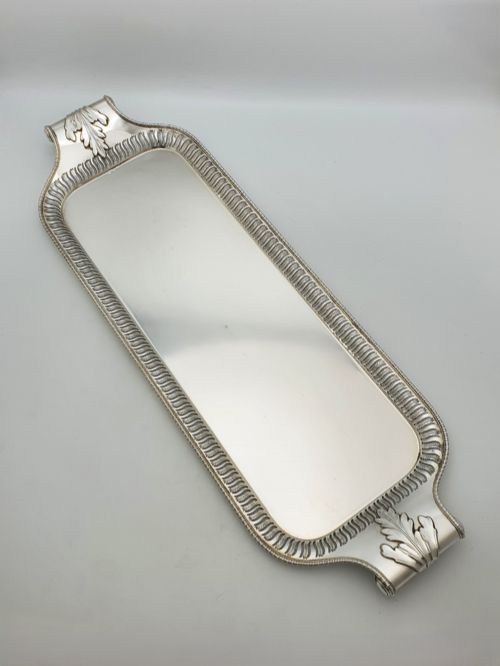
An edwardian drinks tray silver selection centres on serving and cocktail vessels produced primarily during the early twentieth century and the late Victorian era. Buyers searching this phrase commonly encounter silver plated and electroplated nickel silver examples, alongside solid sterling silver pieces.
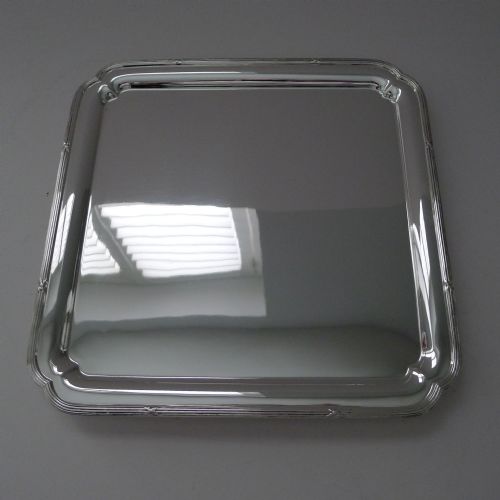
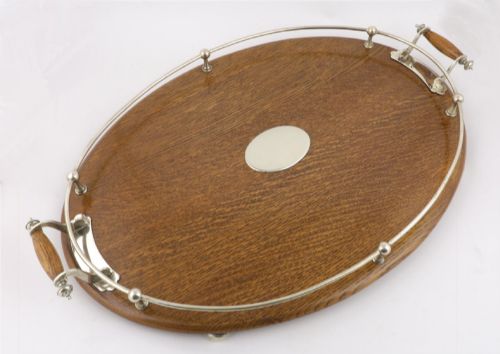
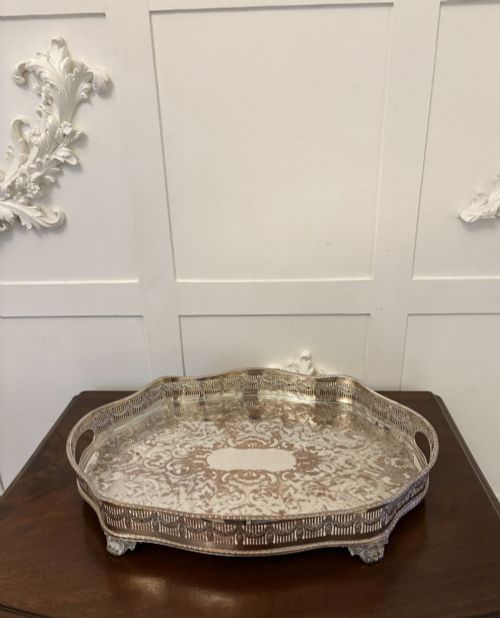
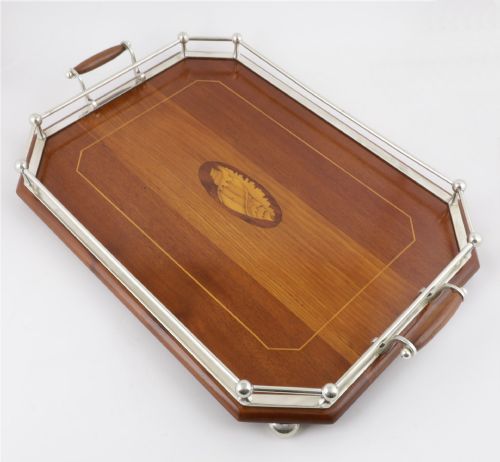
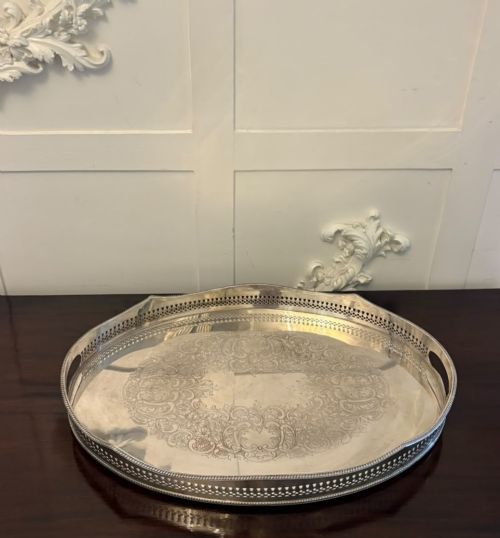
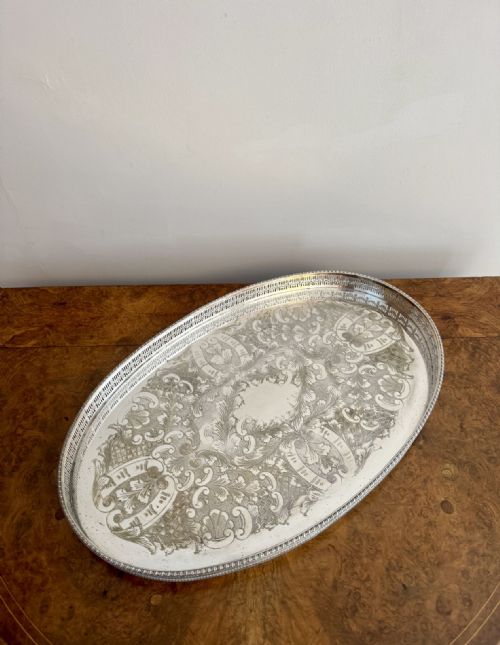
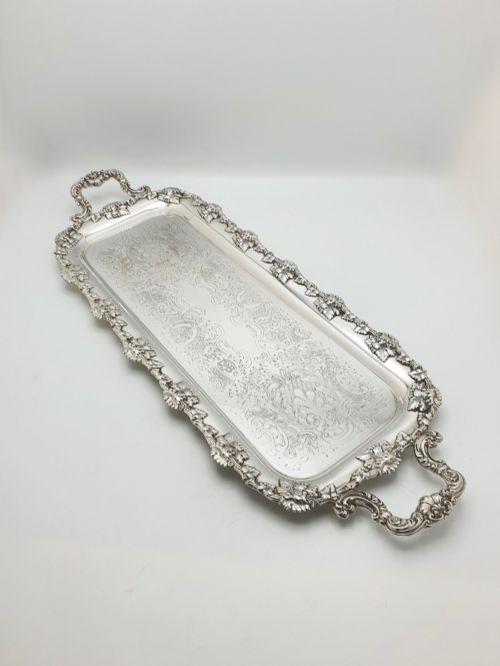
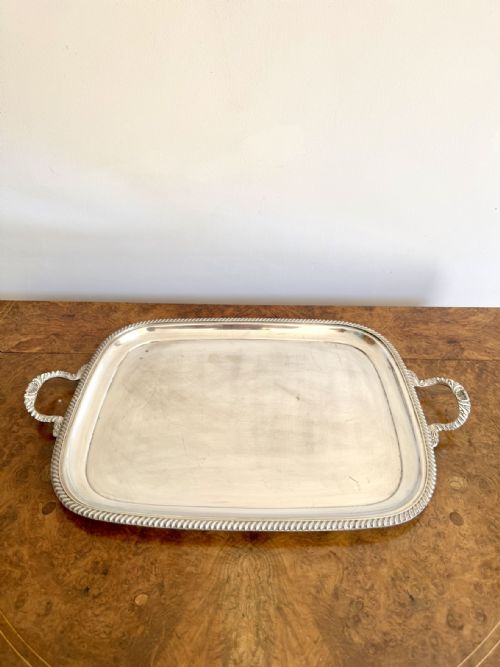
Form variations range from oval and circular cocktail trays to rectangular gallery trays with pierced borders and handles. Many incorporate wooden bases such as mahogany or oak, sometimes enhanced with shell inlay or brass galleries.
Origins span English workshops and Sheffield makers, with pieces appearing in various sizes from small salvers to large proportions suited for decanter sets.
How they were made
Silversmiths utilised base metals like nickel silver or copper as a foundation, applying silver plate or electroplating the surface for a lustrous finish. Solid sterling silver versions were fashioned through traditional smithing techniques, often bearing hallmarks from Sheffield.
Wooden elements in mahogany and oak were joined to metal rims, employing inlaid shell details and pierced gallery work to secure glassware during service.
Edwardian Drinks Tray Silver Retail Price Guide 2026
Typical asking prices for edwardian drinks tray silver among the pieces listed under this phrase on Sellingantiques today, from the lower quarter to the upper quarter. They describe what is for sale here now, not the wider market.
Listings feature items incorporating mahogany, oak, base metal, and sterling silver alongside various silver plating methods.
What varies in quality
The distinction between standard production and top tier manufacturing lies in the crispness of the engraved detailing and the weight of the metal. Superior examples display deeply etched floral or foliate patterns and substantial mounts that resist flexing.
Construction integrity separates masterwork items from simpler goods, visible in the snug fit of wooden bases within metal galleries and the durability of applied handles.
James Deakin·William Hutton and Sons·Mappin and Webb·Harrison Bros·Hukin and Heath·Walker and Hall·Frank Cobb and Co
The Edwardian Drinks Tray Silver Glossary
- Silver Plate
- A thin layer of silver bonded to a base metal core such as copper or nickel silver. This technique provided the appearance of solid silver at a lower production cost.
- Gallery Tray
- A tray featuring a low, upright rim or pierced border around the edge. This barrier prevented decanters and glasses from sliding off during transport.
- EPNS
- Electroplated Nickel Silver, a common base material for metalware produced from the nineteenth century onward. It formed a durable foundation for silver plating.
- Salver
- A flat tray, typically circular and raised on small feet, used for serving drinks or presenting items. They frequently feature engraved central motifs and shaped borders.
- Sheraton Revival
- A design style popular during the late nineteenth and early Edwardian periods. It drew inspiration from eighteenth century neoclassical furniture forms, often incorporating mahogany and subtle inlay.
Edwardian Drinks Tray Silver: Frequently Asked Questions
How do I clean an edwardian drinks tray silver?
Use a soft cloth and a gentle silver cleaner formulated to protect plated surfaces. Avoid abrasive pads that can wear away the silver layer.
Store the tray in a dry environment to slow down tarnishing and preserve the polished finish.
Are these trays suitable for everyday use?
Many sturdy examples handle regular service of decanters and glasses quite well. Solid construction and robust handles make them practical for entertaining.
Care should be taken with wooden bases to prevent moisture damage from condensation.
How do I identify a solid silver tray from plated ones?
Check the surface for hallmarks indicating sterling standard. Plated items typically display maker marks without standard silver lion or crown stamps.
Examining worn edges can also reveal the base metal beneath the silver coating.
What is the difference between a salver and a tray?
A salver usually rests on small feet and serves a presentation or formal drinks function. Trays more commonly feature side handles for carrying decanters and glassware.
Both terms occasionally overlap in historical descriptions of serving metalware.