


Edwardian Drinks Stand
An Edwardian drinks stand serves hospitality with hinged trays, secure tantalus frames or compact tables built for home entertaining.
Edwardian Drinks Stand
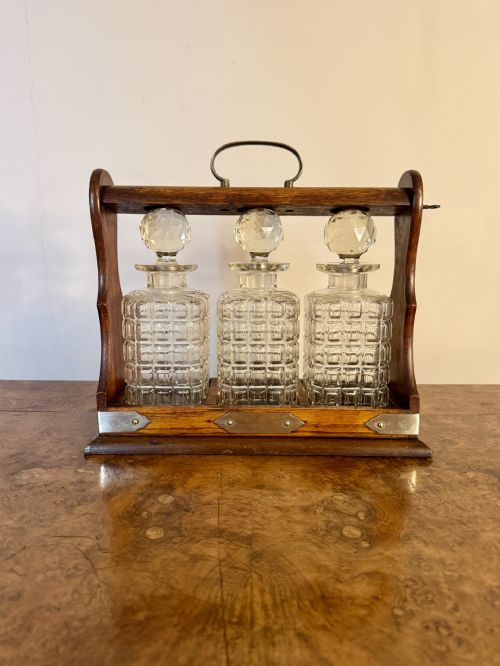
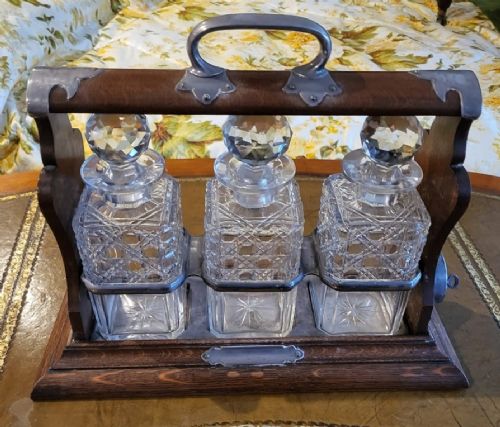
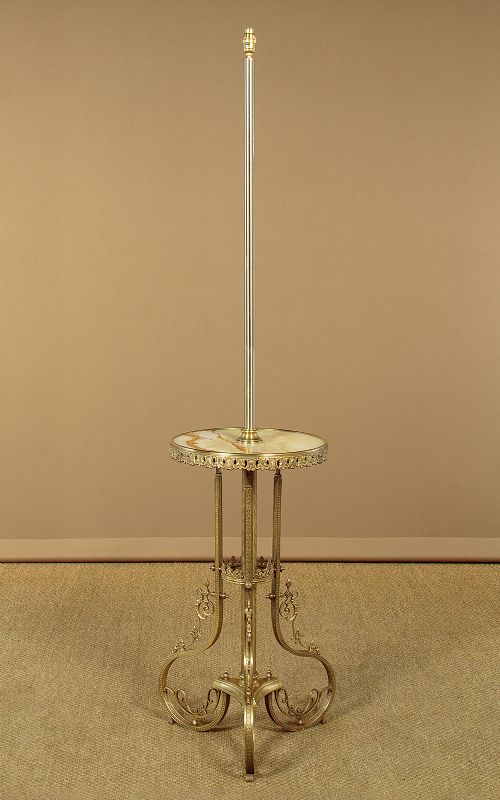
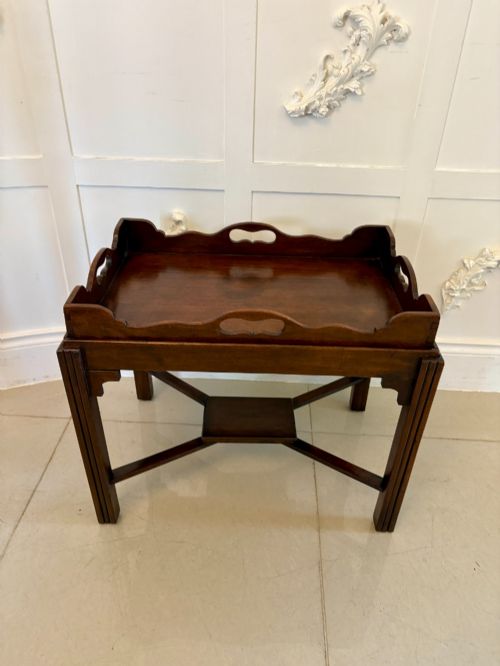
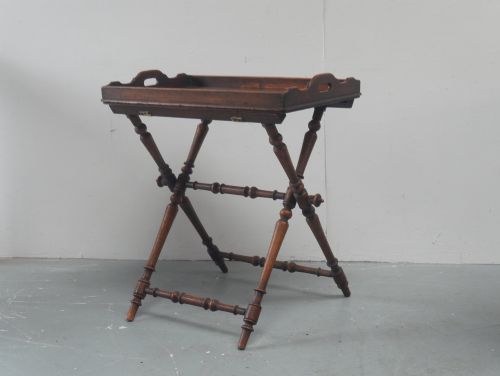
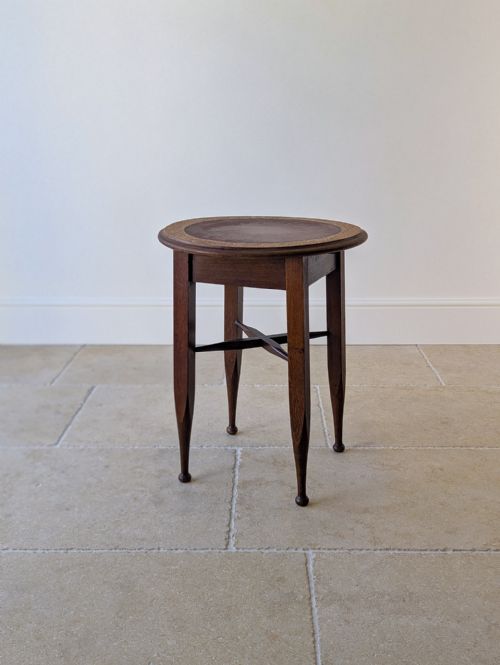
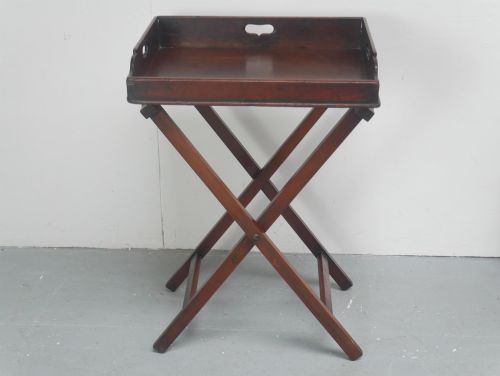
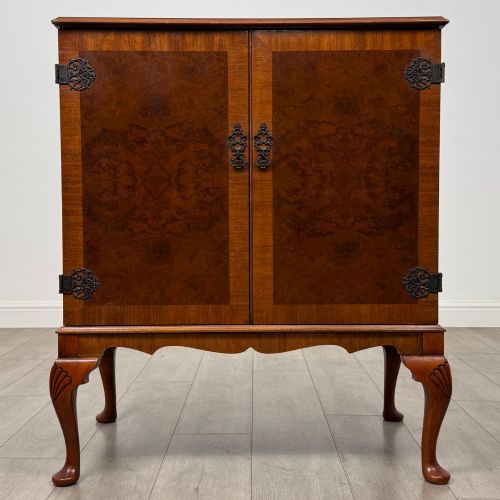
An Edwardian drinks stand encompasses folding butler trays on folding supports, secure locking tantalus frames holding heavy crystal decanters, and compact occasional tables designed specifically for serving beverages. These pieces reflect the hosting habits of early twentieth-century domestic life, providing portable or dedicated surfaces for glassware and bottles.
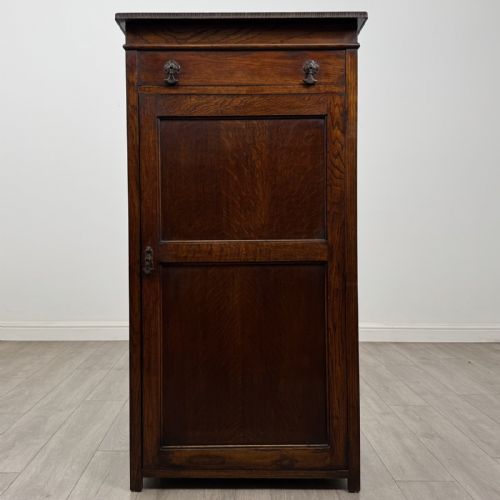
The version most commonly met on this page is the mahogany wine table or the folding butler tray on stand, alongside fitted oak or walnut tantalus cabinets housing cut glass bottles with silver-plated mounts. Walnut and mahogany predominate, often featuring crossbanding, marquetry inlay, or brass mounts.
While the label points firmly to the Edwardian decade, the selection extends slightly backward into late Victorian periods and forward into the 1920s and 1930s. Forms range from simple tripod wine tables to elaborate cabinets on stands and specialised brass-mounted serving tables.
Materials and construction
Cabinetmakers utilised dense timbers such as mahogany, oak, walnut, and satinwood, frequently applying decorative crossbanding, marquetry, and brass fittings to elevate the appearance of the timber. Tops often feature raised galleries, drop flaps, or lift-up lids designed to secure contents during service.
Metal components involve cast brass handles, hinges, and locking mechanisms alongside silver-plated mounts for crystal decanters in tantalus sets. Glasswork includes heavy cut crystal bottles and decanters fitted snugly into partitioned wooden or metal frames.
Edwardian Drinks Stand Retail Price Guide 2026
Typical asking prices for edwardian drinks stand among the pieces listed under this phrase on Sellingantiques today, from the lower quarter to the upper quarter. They describe what is for sale here now, not the wider market.
Listings feature woods including mahogany, oak, walnut, and satinwood, paired with cut glass and silver plate.
Distinctions in quality
The upper tier of these pieces displays meticulous timber selection, seen in figured oak, burr walnut, and rich mahogany paired with crisp inlay, substantial brass hardware, and original locking keys for tantalus frames. Simpler pieces rely on plain timber and straightforward joinery without elaborate decorative stringing or marquetry.
Construction methods distinguish everyday utility items from finer parlor furnishings, evident in the snugness of frame partitions, the weight of the cut glass decanters, and the stability of folding stand hinges.
Betjemann’s·Waring & Gillow·Halls
The Edwardian Drinks Stand Glossary
- Tantalus
- A locked wooden frame displaying spirit decanters while preventing unauthorized access to the contents. The bottles cannot be removed until the locking bar is released with a key.
- Butler tray
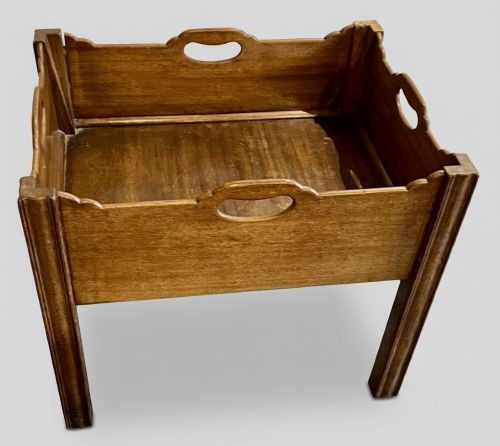
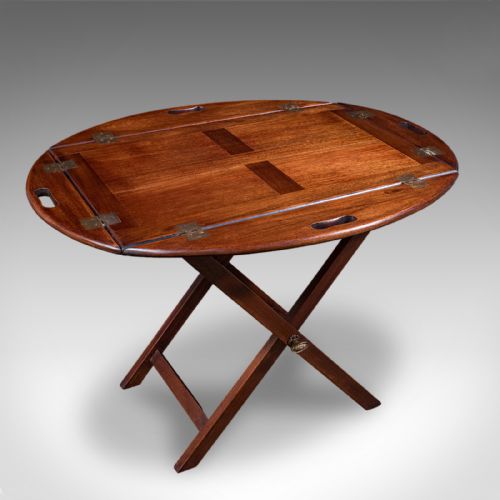
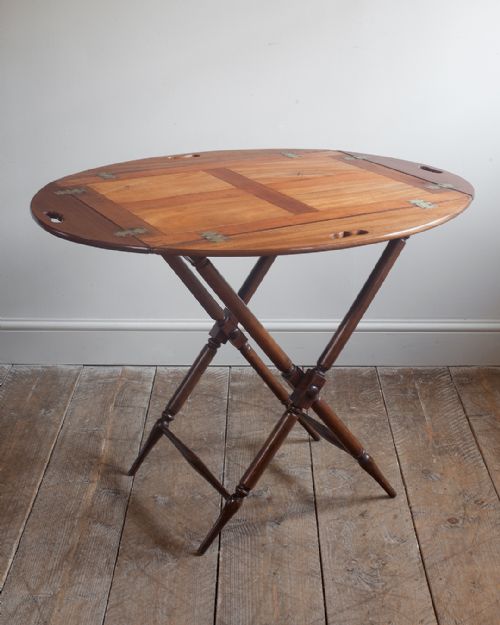
- A shallow wooden tray with hinged or fixed sides, designed to be lifted off its folding stand for carrying glasses and bottles. It served domestic staff during formal home service.
- Wine table
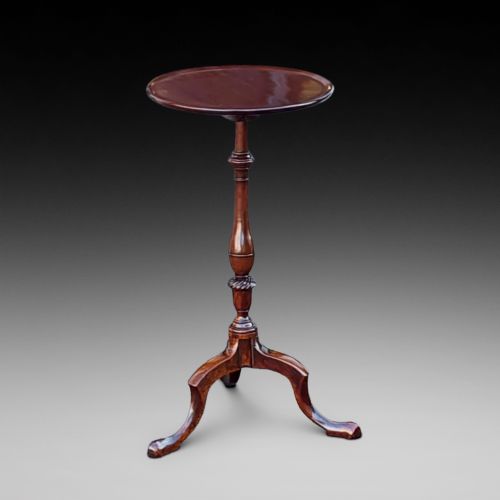
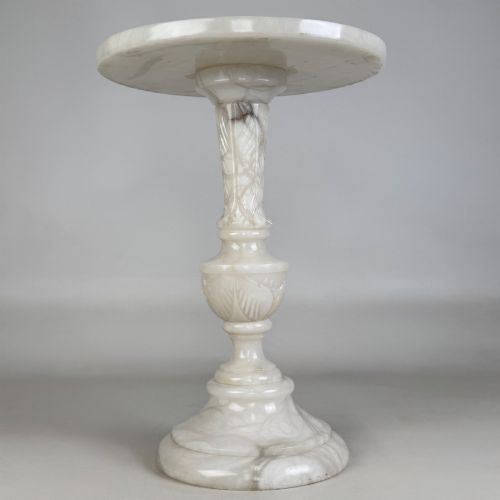
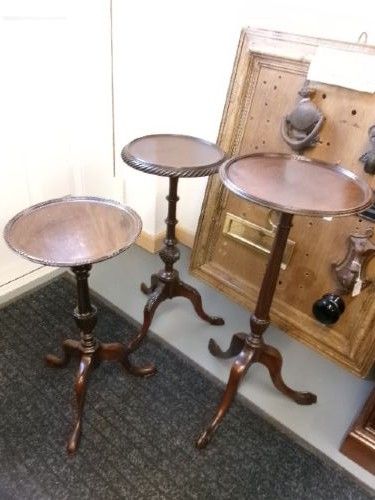
- A small occasional table, frequently with a circular top and tripod base, designed to hold a single glass or bottle near a seating area. They appear in matching pairs or as single accent pieces.
- Crossbanding
- A decorative border technique where strips of veneer are laid running perpendicular to the grain of the main panel surface. This frames the top surface of tables and cabinet doors.
- Marquetry
- The art of applying decorative pieces of veneer to a structure to form intricate pictorial designs or geometric patterns. It appears frequently on Edwardian tabletops and cabinet doors.
Edwardian Drinks Stand: Frequently Asked Questions
How were butler trays used?
Butler trays functioned as portable serving surfaces where the wooden tray lifted completely off its folding X-frame stand. Servants used them to transport glasses and bottles from the pantry to the drawing room.
Once in the room, the tray rested securely on the stand to act as a temporary side table during afternoon tea or evening drinks.
Are the decanters usually original?
Many surviving tantalus sets retain their original heavy cut crystal decanters, often featuring matching stoppers and silver-plated collars. Because decanters broke easily through regular use, replacements are common.
Checking the fit within the wooden partitions helps determine if the bottles belong to the original frame.
Where should I place a wine table?
Compact wine tables suit narrow spaces beside armchairs, sofas, or beds where a full-sized side table proves too large. Their small circular tops accommodate a single glass, book, or small lamp.
Parks of tripod legs provide stable footing on carpets while occupying minimal floor space in reception rooms.