

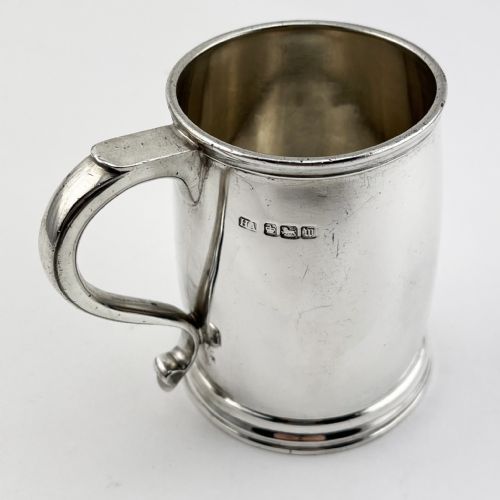


Edwardian Drinking Vessel
An edwardian drinking vessel brings distinct early twentieth-century form to the table, offering a tangible link to period social customs.
Edwardian Drinking Vessel
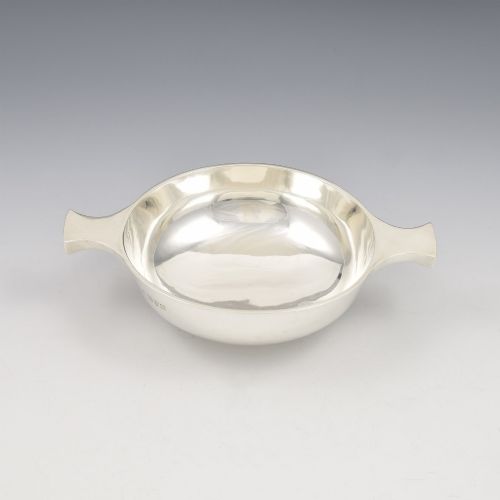
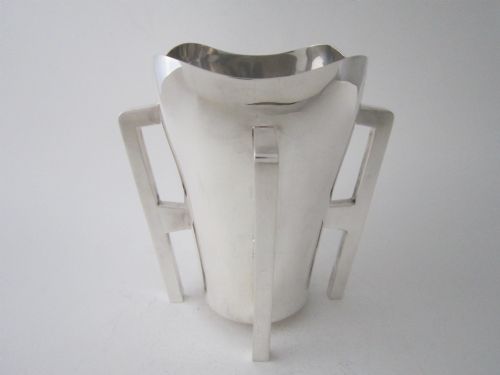
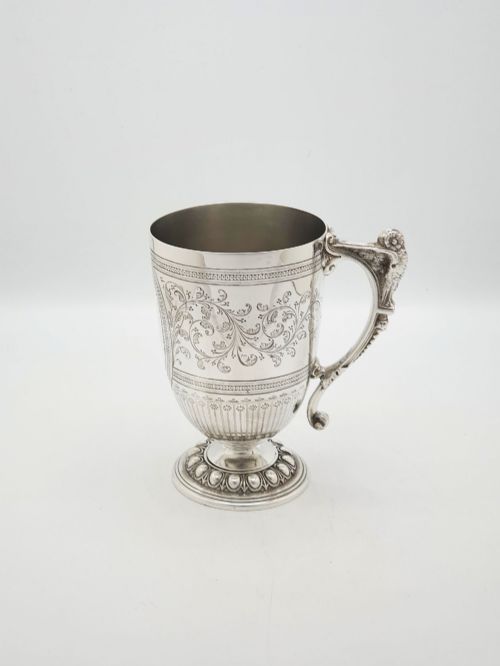
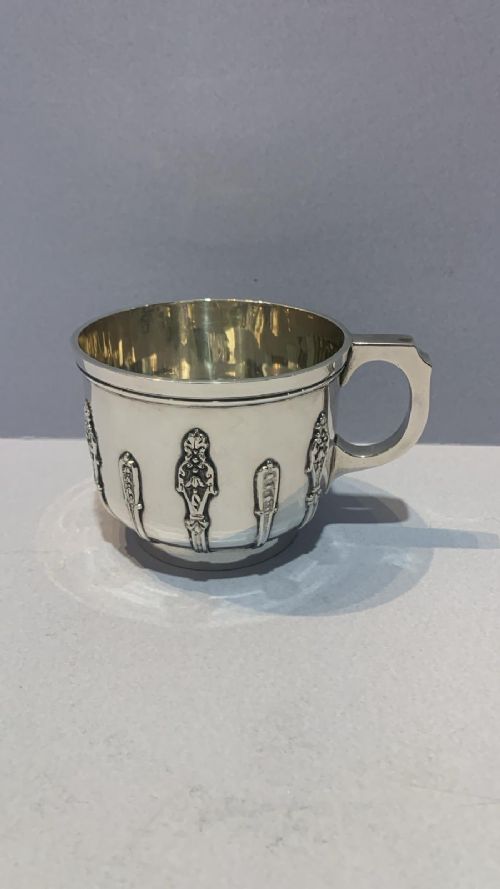
When you search for an edwardian drinking vessel, you encounter a varied assortment of forms ranging from silver christening mugs and tankards to ceramic puzzle jugs and glass goblets. These objects span periods from the late nineteenth century into the early decades of the twentieth, reflecting the domestic habits of the era. The examples on this page encompass diverse categories including quaichs, cocktail shakers, and tyg cups.
Silver and plated metal dominate the selections, alongside cut glass, salt-glaze stoneware, pewter, and horn. Forms such as the traditional Celtic-inspired quaich or the novelty owl-handled tankard demonstrate the stylistic breadth encompassed by the term. Buyers most frequently meet pieces fashioned from sterling silver or silver plate, reflecting the manufacturing output of the time.
Materials and construction
Makers utilised traditional techniques such as silversmithing, salt-glazing, and glass-blowing to produce these vessels. Sterling silver and silver plate required careful hammering, spinning, and soldering, often finished with engraved detailing or applied mounts. Pewter pieces utilised casting methods associated with the Arts and Crafts movement.
Ceramic forms like salt-glaze stoneware relied on kiln firing and salt thrown directly into the heat to achieve their characteristic textured surface. Cut glass items involved manual wheel-cutting to create geometric patterns across the blown vessel wall. Brass mounts and horn construction combined organic materials with metalwork.
Edwardian Drinking Vessel Retail Price Guide 2026
Typical asking prices for edwardian drinking vessel among the pieces listed under this phrase on Sellingantiques today, from the lower quarter to the upper quarter. They describe what is for sale here now, not the wider market.
Materials documented across the inventory include sterling silver, silver plate, cut glass, salt-glaze stoneware, pewter, and horn.
Assessing quality and execution
The distinction between standard production and finer work rests on the crispness of the chasing, the weight of the metal, and the clarity of the glass. Heavier gauges of sterling silver and well-defined hallmarks indicate higher manufacturing standards. Hand-cut glass displays precise facets without optical distortion.
Design individuality also separates mass production from superior workshop output, particularly in pieces featuring distinctive handles or specialised mounts. The integration of mixed media, such as horn with brass or ceramic with salt glaze, demonstrates the skill of the maker.
Nathan & Hayes·Hukin & Heath·Doulton Lambeth·Liberty·George Ernest Hawkins
The Edwardian Drinking Vessel Glossary
- Quaich
- A traditional two-handled drinking vessel of Scottish origin, often executed in silver or pewter during the period. It derives from the Gaelic word cuach meaning cup.
- Tyg
- A large drinking cup featuring multiple handles, designed to be passed around a company. Period examples often incorporate silver rims or mounts.
- Salt glaze
- A vitreous glaze obtained by throwing common salt into the kiln during high-temperature firing. This creates a pitted, orange-peel texture on stoneware bodies.
- Pewter
- A malleable metal alloy consisting primarily of tin, used extensively by Arts and Crafts workshops for domestic vessels. It yields a subdued metallic lustre.
- Hallmark
- An official stamp applied to precious metals indicating the standard of purity, the assay office, and the date letter. British silver pieces carry these diagnostic marks.
Edwardian Drinking Vessel: Frequently Asked Questions
What is a quaich?
A quaich is a shallow two-handled drinking vessel rooted in Scottish tradition. Period interpretations often utilise sterling silver or pewter.
These pieces were typically employed for communal toasts and social gatherings.
How are salt glaze jugs used?
Salt glaze jugs and puzzle jugs served as functional vessels for liquids at the table. The salt-glaze technique provides a durable, impermeable surface.
Puzzle jugs feature perforated necks that challenge the drinker to consume the contents without spilling.
What defines an edwardian tankard?
An edwardian tankard is a single-handled vessel designed for beverages, frequently constructed from silver plate. Examples often incorporate decorative elements such as figural handles.
These items reflect the hospitality customs of the early twentieth century.
How do I identify silver plate?
Silver plate involves a thin layer of silver bonded to a base metal core such as nickel silver. Maker marks often indicate the plating technique or manufacturer.
Items of this construction offer the appearance of solid silver at a different weight and cost.