






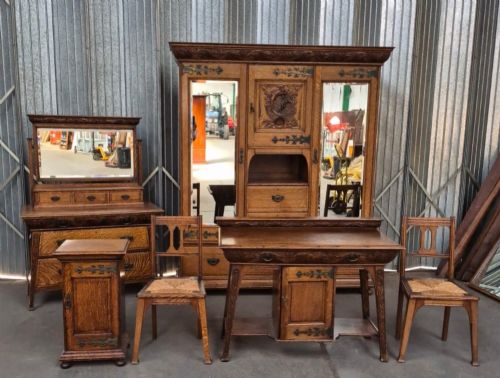


Edwardian Dressing Table Pot
An edwardian dressing table pot brings neat charm to a dressing room, holding small treasures behind a heavy silver lid.
Edwardian Dressing Table Pot
When you search for an edwardian dressing table pot, you encounter small glass or crystal containers fitted with precious metal lids, designed to hold pins, rings, and cosmetics upon a vanity surface. These pieces span periods from the late Victorian era through the Edwardian years and into the George V period, capturing changing tastes in bedroom accessories.
The most common examples on this page are cut glass or crystal jars topped with sterling silver lids, alongside variations featuring tortoiseshell, enamel, and porcelain plaques. Alongside individual vanity jars and trinket boxes, you will also discover larger dressing table sets and occasional bedroom suites.
Origins range across various English assay offices, with Birmingham and Chester hallmarked pieces appearing frequently among the listings. Makers and retailers such as Asprey, William Comyns, and Ollivant & Botsford represent the standard of production from these decades.
Materials and Construction
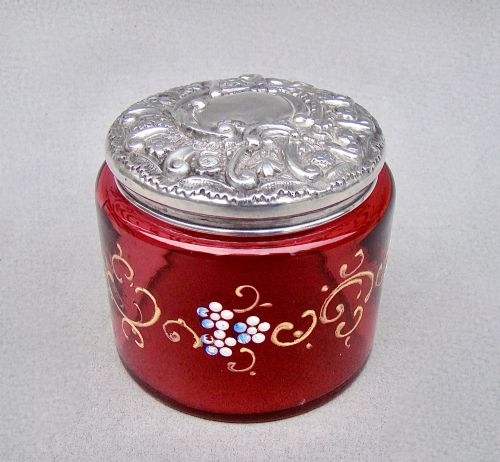
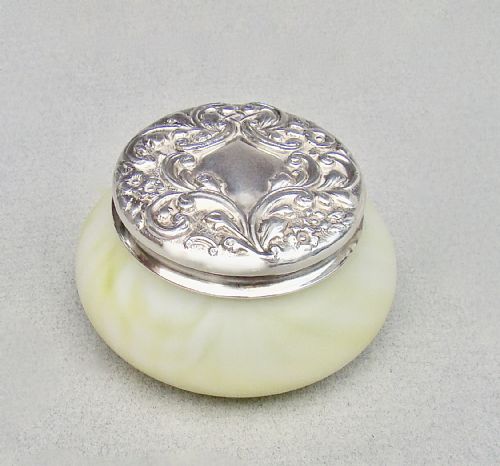
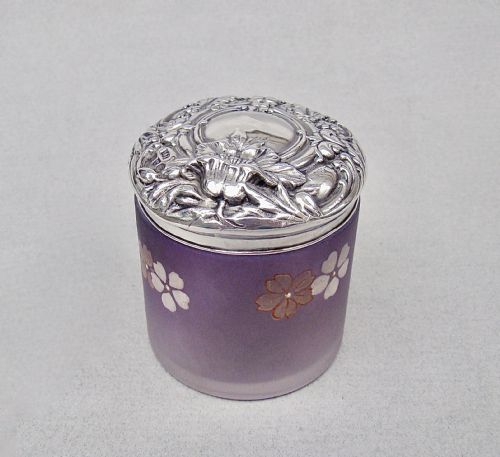
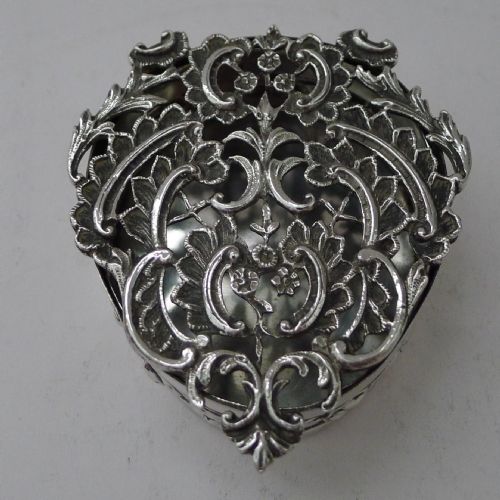
Glass bodies are heavily cut, pressed, or moulded into shapes including round, square, and heart forms, sometimes utilising cranberry, amethyst, satin, or frosted finishes. These glass bases provide substantial weight and catch the light upon a dressing table.
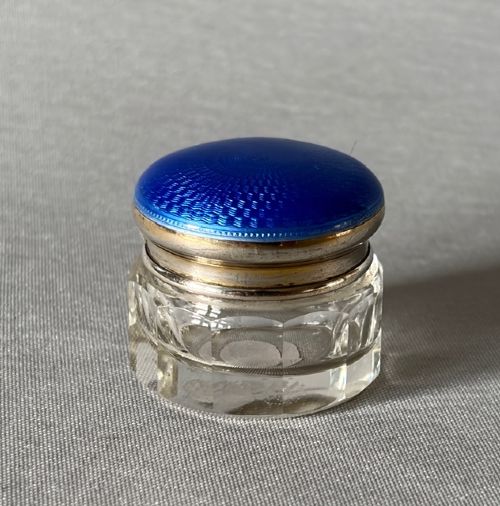
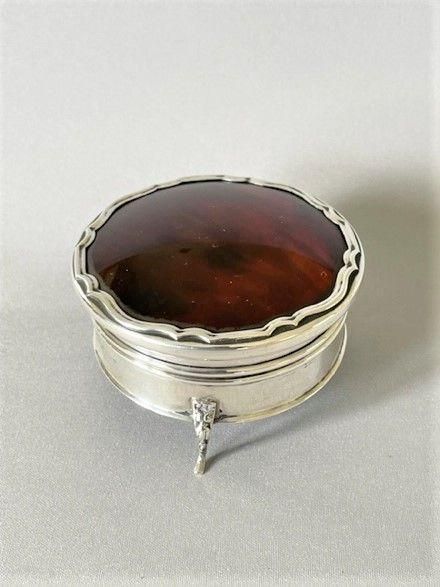
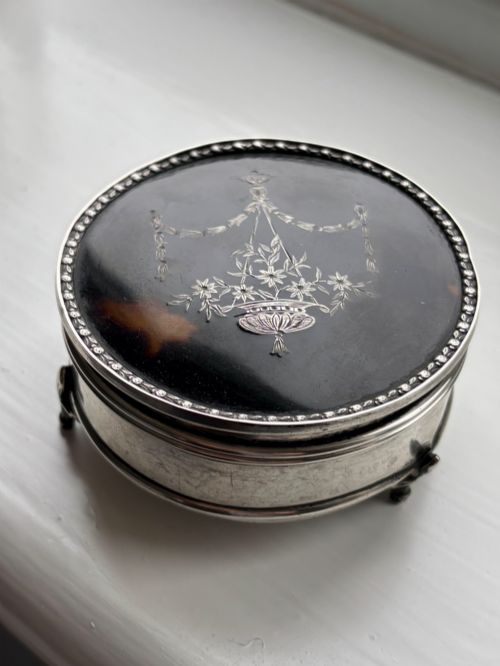
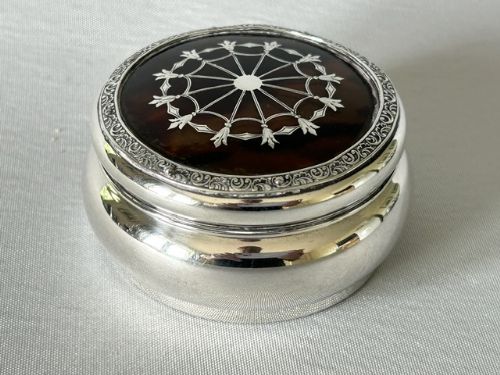
Lids combine sterling silver with organic or decorative elements like tortoiseshell, piqué work, hand-painted porcelain plaques, and guilloché enamel. Silversmiths hammered, pierced, or embossed the metal mounts to secure them tightly over the glass rims.
Edwardian Dressing Table Pot Retail Price Guide 2026
Typical asking prices for edwardian dressing table pot among the pieces listed under this phrase on Sellingantiques today, from the lower quarter to the upper quarter. They describe what is for sale here now, not the wider market.
Listings span the Victorian, Edwardian, and George V periods, featuring materials such as cranberry glass, tortoiseshell, and sterling silver.
Factors of Distinction
Quality rests upon the crispness of the glass cutting and the weight of the sterling silver mount, where thinner metal easily dents and heavy gauge silver maintains its structure over generations. The integration between the lid and the glass base indicates the care taken during initial manufacture.
The addition of specialist decorative techniques elevates a piece, such as detailed tortoiseshell pique work, hand-painted porcelain panels, or translucent guilloche enamel. Pieces bearing marks from distinguished makers or retailers demonstrate superior design ambition compared to standard commercial output.
Ollivant & Botsford·Henry Clifford Davis·A. Bromet & Co·Asprey & Co·William Comyns·Hasset & Harper·Nathan & Hayes·Henry Williamson Ltd
The Edwardian Dressing Table Pot Glossary
- Sterling silver
- A silver alloy containing 92.5 percent pure silver and 7.5 percent other metals, typically copper, used for the lids and mounts of these jars.
- Guilloche enamel
- A decorative technique where a precise, intricate pattern is mechanically engraved beneath a translucent layer of coloured enamel.
- Pique work
- The delicate inlay of tiny gold or silver pins into a tortoiseshell surface to form geometric or floral motifs.
- Cut glass
- Glass decorated by abrasive wheel cutting to create deep, light-reflecting facets across the body of the jar.
- Hallmark
- A series of official marks stamped on precious metal items, indicating the assay office, metal standard, and year of manufacture.
Edwardian Dressing Table Pot: Frequently Asked Questions
What were dressing table pots used for?
These containers held small personal items such as hairpins, powder, rings, and trinkets used during daily grooming routines.
They sat upon dressing tables alongside mirrors and brushes, keeping loose accessories neatly contained and protected from dust.
How do I date a silver lidded jar?
Silver mounts carry hallmarks that include a date letter indicating the exact year the piece was assayed and tested.
Additional stamps reveal the town of assay, such as the anchor for Birmingham or the three shields for Chester, alongside the maker's mark.
How should I clean the silver and glass?
Glass bases wash safely in warm soapy water using a soft brush to clear away dust from deep cut facets.
Silver lids require a gentle polish with a specialist cloth, keeping cleaning pastes away from delicate enamel, tortoiseshell, or porcelain inserts.
Are tortoiseshell lids fragile?
Tortoiseshell requires careful handling because extreme changes in humidity can cause the organic material to warp or crack.
Keep these pieces away from direct sunlight and radiators to preserve the natural shell and any intricate pique inlay.