






Edwardian Dress Pin
When you search for an edwardian dress pin, you uncover delicate bar brooches and fastening pieces designed to secure fine fabrics.
Edwardian Dress Pin
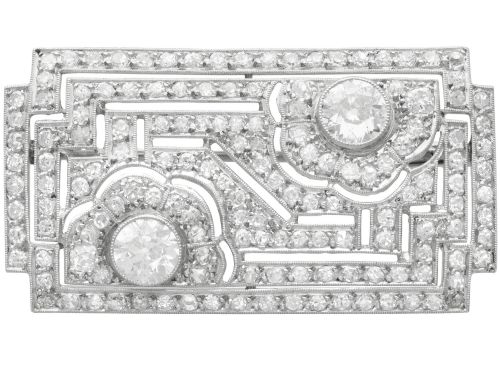
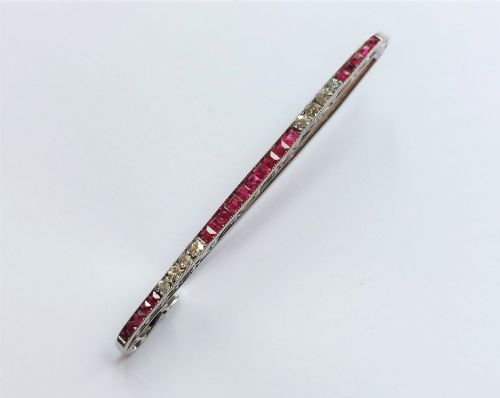
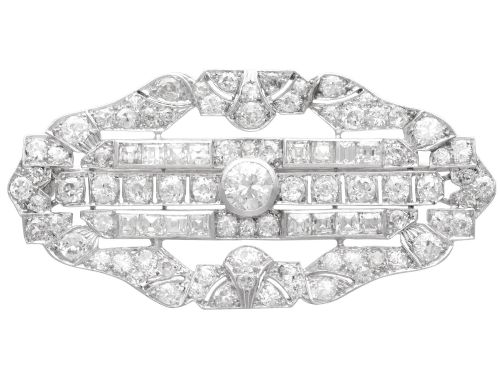
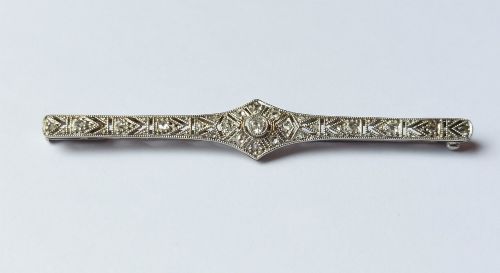
An edwardian dress pin encompasses finely wrought bar brooches, hat pins, and fastening ornaments originating from the late Victorian through the Art Deco periods. These items served both a practical purpose in fastening clothing and a decorative role as refined personal adornments.
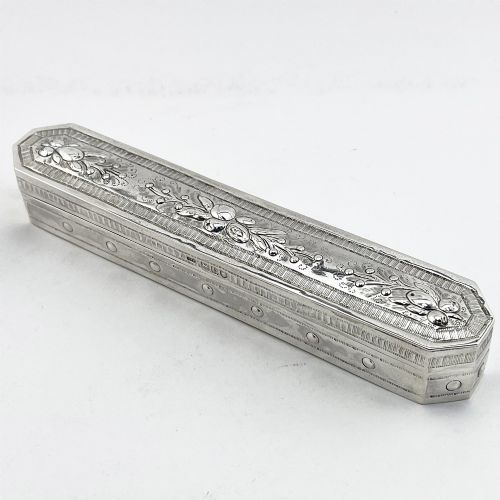
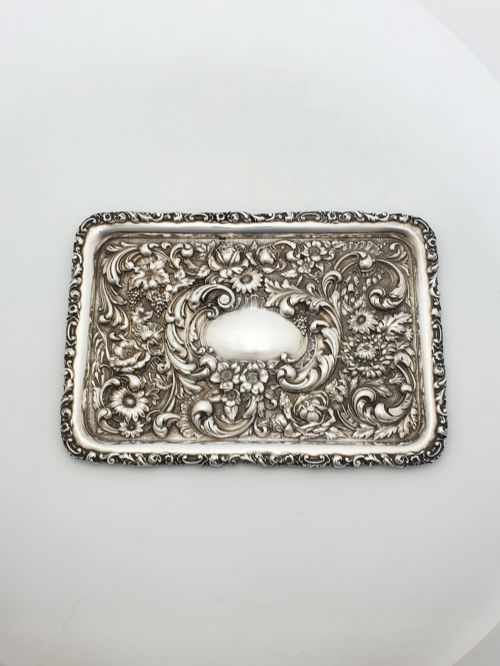
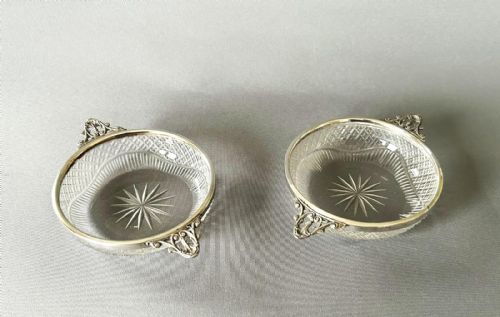
The selections on this page frequently manifest as slender bar brooches configured in sterling silver, gold, and platinum. Alongside these wearable jewels appear associated dressing table accessories such as silver trays, trinket boxes, and dishes.
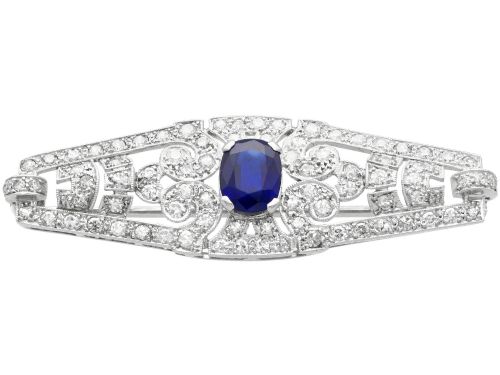
Origins span distinct stylistic eras including Edwardian, Art Nouveau, and Art Deco designs. Pieces range from floral silver motifs to geometric diamond-set platinum creations.
How They Were Made
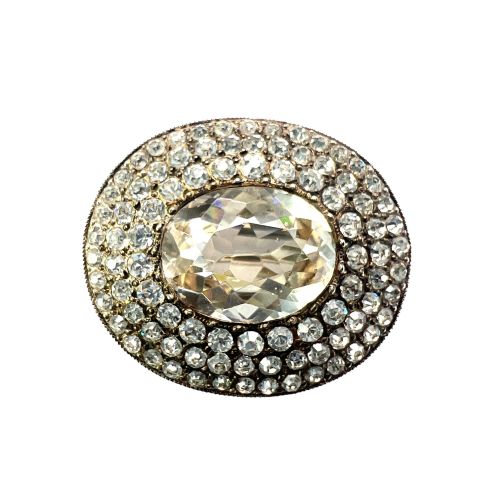
Maker construction relies heavily upon precious metals like platinum, sterling silver, yellow gold, and white gold to form the structural foundations of each pin and brooch. Gems such as diamonds, rubies, garnets, sapphires, pearls, and fire opals are flush-set, bezel-set, or secured in intricate cluster arrangements.
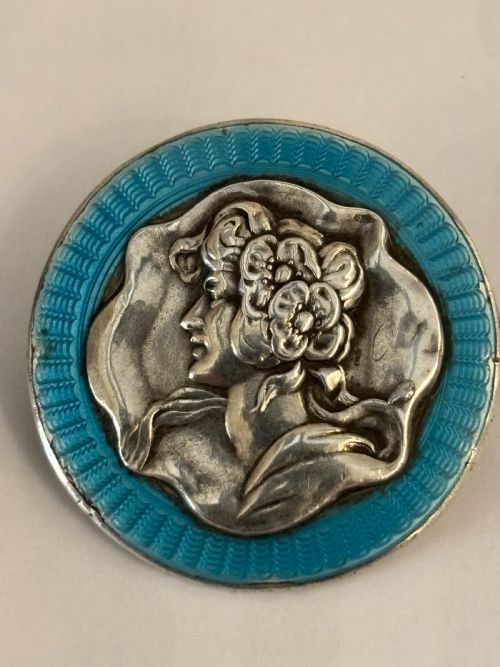
Surface ornamentation incorporates specialised techniques including guilloche enamel, multi-coloured enamel work, and repoussé detailing. Metalwork is shaped through casting and fine wire assembly, often pairing silver with gold overlays or platinum faces.
Edwardian Dress Pin Retail Price Guide 2026
Typical asking prices for edwardian dress pin among the pieces listed under this phrase on Sellingantiques today, from the lower quarter to the upper quarter. They describe what is for sale here now, not the wider market.
Listings span multiple eras from the late nineteenth century through the 1940s, featuring platinum, gold, silver, diamond, and enamel materials.
What Varies In Quality
Quality rests upon the precision of the stone setting and the carat weight or purity of the diamonds and coloured gems integrated into the design. Heavier gauge metalwork and intricate hand-chased repoussé details denote superior craftsmanship compared to lighter commercial stampings.
The complexity of the aesthetic execution - such as detailed enamel pansies, multi-stone floral clusters, or substantial platinum Art Deco frameworks - separates standard pieces from exceptional examples.
William Hutton·William Comyns
The Edwardian Dress Pin Glossary
- Bar brooch
- A horizontal pin fastening formed of a narrow metal bar, often embellished with gemstones or central motifs. These represent a primary form found in early twentieth-century jewellery.
- Repoussé
- A metalworking technique where the artist hammers the metal from the reverse side to form a raised design on the front. This method creates dimensional floral and figural motifs on silver trays and boxes.
- Guilloche enamel
- Enamel applied over a metal surface that has been mechanically engraved with a repetitive geometric pattern. It produces translucent decorative colour effects.
Edwardian Dress Pin: Frequently Asked Questions
What is an edwardian dress pin used for?
These pieces functioned as decorative fasteners for lightweight fabrics, lace collars, and lapels during the early twentieth century. They combined utility with visible personal style.
Today, collectors wear them as lapel brooches or secure scarves and shawls with the sturdier bar designs.
How do I identify an Edwardian piece?
Edwardian items typically feature light, airy metalwork in platinum or silver, often showcasing floral motifs, garlands, or delicate openwork filigree.
They bridge the heavy styling of the Victorian era and the sharp geometry of subsequent Art Deco design.
Are these pins made of solid platinum?
Many items combine platinum tops with gold backs or utilise sterling silver frameworks to securely hold diamonds and coloured gems.
Testing marks and hallmarks on the pin stems or frames clarify the exact metal composition used by the maker.
How should I store my brooch?
Store pins in dedicated lined compartments or antique trinket boxes to protect delicate enamel and gemstone settings from impact.
Keeping them separated prevents the metal pins from scratching adjacent items in a collection.