





Edwardian Dress Brooch
An edwardian dress brooch brings together delicate platinum, gold and silver work with fine stones to pin a lapel or fasten a sash.
Edwardian Dress Brooch
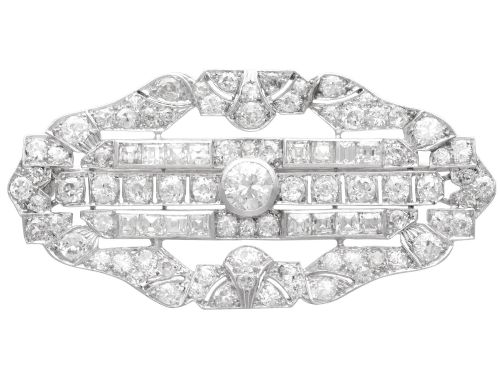
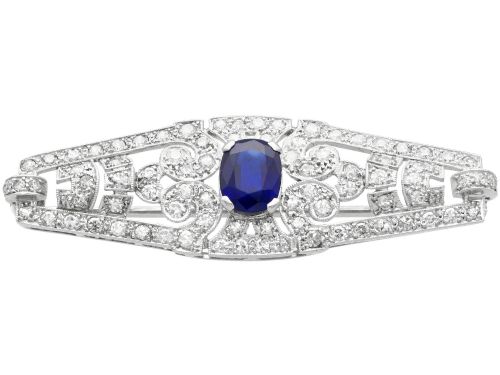
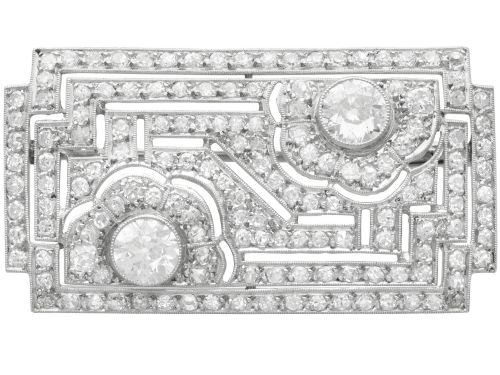
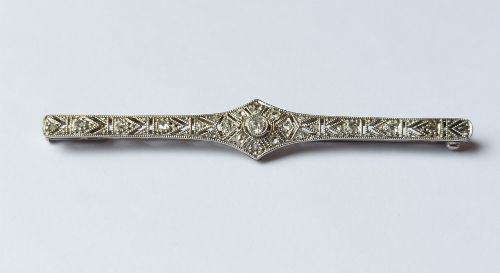
When you search for an edwardian dress brooch, you encounter pieces spanning from the Victorian era through the Edwardian period and into the Art Deco years of the 1920s and 1930s. The selection on this page relies heavily on platinum, gold and silver settings configured as bar brooches, floral motifs, geometric designs and belt buckles. These ornaments served to fasten garments or adorn formal attire with understated elegance.
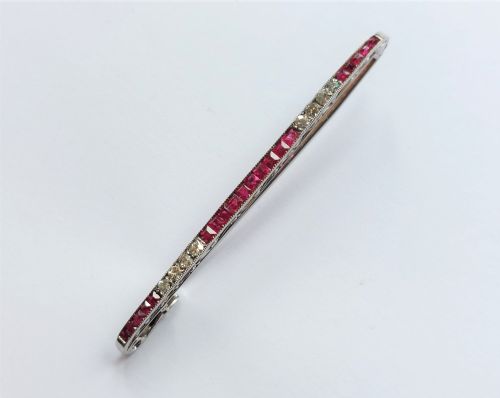
The most common forms you meet here include slender bar brooches set with diamonds, rubies and pearls, alongside intricate openwork platinum plaques and enamel pansy pins. Scottish revival kilt pins and French gold pieces also appear among the wider selection of brooches and pins. Each variant reflects the transition from organic Edwardian curves to the sharp symmetry of later decades.
Materials and construction
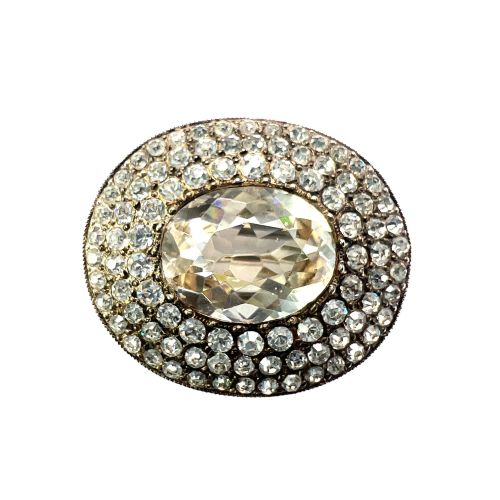
Makers utilised precious metals such as platinum, 18ct gold, 9ct white gold and silver to construct sturdy frames that could securely hold heavy stones. Platinum became the metal of choice for intricate Edwardian and Art Deco openwork, allowing for fine knife-edge settings that made diamonds appear unsupported. Gold and silver combinations offered a traditional backdrop for clusters of garnets, sapphires and old-cut diamonds.
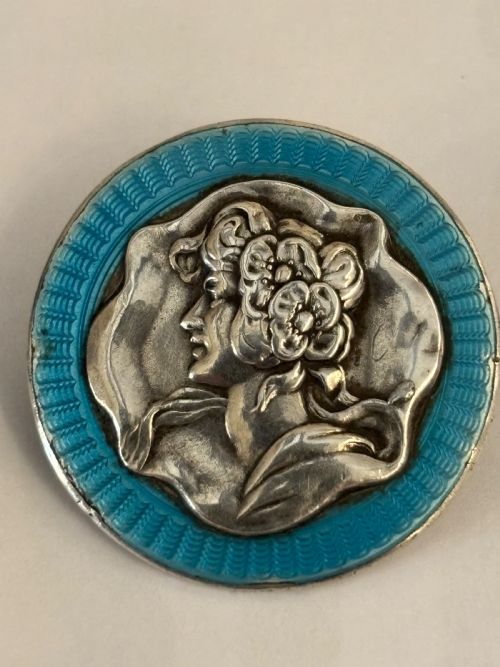
Surface decoration relies on traditional techniques including guilloche enamel, where translucent coloured layers reveal engine-turned patterns beneath. Gemstones such as rubies, pearls, fire opals and onyx were hand-cut and flush-set or bead-set into the metalwork. Hand-engraving and millegrain edging finished the borders of platinum plaques and bar pins.
Edwardian Dress Brooch Retail Price Guide 2026
Typical asking prices for edwardian dress brooch among the pieces listed under this phrase on Sellingantiques today, from the lower quarter to the upper quarter. They describe what is for sale here now, not the wider market.
An enamelled pansy brooch brings a touch of Victorian garden romance directly to an Edwardian lapel.
Distinguishing quality in period pins
The distinction between standard workshop output and top-tier jewellery lies in the precision of the metalwork and the grade of the set stones. Superior pieces feature crisp millegrain borders, symmetrical piercing and heavy platinum gauge rather than thin stamped elements. Better examples use matched, high-colour diamonds and clean rubies or sapphires with lively light return.
Construction integrity also separates grades, with finer brooches offering robust pin stems, secure safety catches and invisible joins in multi-part assemblies. The integration of enamel work without chipping or uneven firing marks indicates superior workshop skill during the Edwardian period.
Henry Matthews Birmingham
The Edwardian Dress Brooch Glossary
- Bar brooch
- A slender horizontal pin, often straight or tapered, designed to fasten across a lapel or collar. These frequently feature central gemstone clusters or line settings of diamonds and rubies.
- Guilloche enamel
- Decorative metalwork covered in translucent enamel over a mechanically engraved or engine-turned background. This technique creates geometric patterns that catch the light beneath the coloured surface.
- Millegrain
- A decorative technique featuring a row of tiny bead-like metallic dots along the edges of a setting. It softens the transition between metal and stone while adding a refined texture.
- Old-cut diamond
- A vintage diamond cut characterised by a small table, high crown and deep pavilion, designed to sparkle under candlelight. These stones display hand-faceted symmetry typical of Victorian and Edwardian work.
- Platinum
- A dense, white precious metal introduced widely in fine jewellery during the Edwardian period for its strength and colour. It allowed jewellers to create delicate wirework and secure large diamond clusters with minimal visible metal.
Edwardian Dress Brooch: Frequently Asked Questions
How were these brooches worn?
Original wearers pinned these ornaments to the lapels of tailored coats, the bodices of evening dresses or the centre of collars. Some heavier designs functioned as belt buckles or kilt pins for securing thick wool fabrics.
Today, they remain versatile accessories that can fasten scarves, secure wraps or add focal detail to modern tailoring. Their sturdy pin stems and secure catches allow for everyday use on robust materials.
How do I tell Edwardian from Art Deco?
Edwardian pieces typically feature flowing organic motifs, lace-like platinum openwork, and softer floral or ribbon shapes. They lean heavily on delicate millegrain edges and pastel stones alongside diamonds.
Art Deco items introduce sharp geometric lines, symmetrical patterns, and strong contrasts using onyx, calibrated sapphires or bright white platinum. The transition occurred around the First World War, shifting the focus from nature to modernism.
Are these brooches suitable for daily wear?
Most period brooches are durable enough for regular wear provided they are handled with care and attached to sturdy fabrics. Platinum and gold settings hold stones securely, though delicate enamel and pearls require gentle treatment.
Checking the pin stem and clasp ensures the piece remains secure while being worn. Storing them in dedicated boxes protects the metalwork and stones from impact.