

Edwardian Double Bed Frame
An edwardian double bed frame brings warmth and solid construction to a bedroom, combining period woods and metals for a practical sleeping centrepiece.
Edwardian Double Bed Frame
An edwardian double bed frame represents the bedroom furniture of the early twentieth century, combining substantial timber construction with metal components. Buyers seeking an edwardian double bed frame encounter pieces built to standard double proportions, designed to anchor a traditional room with sturdy charm.
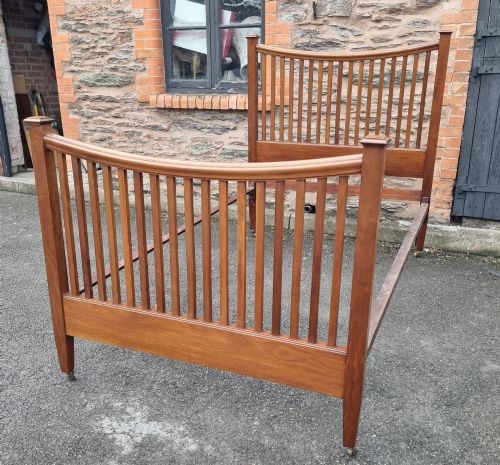
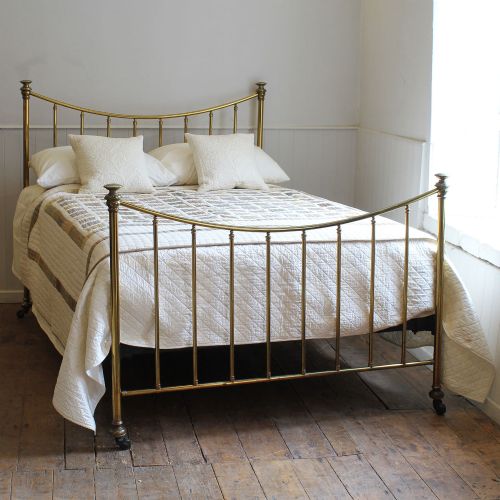
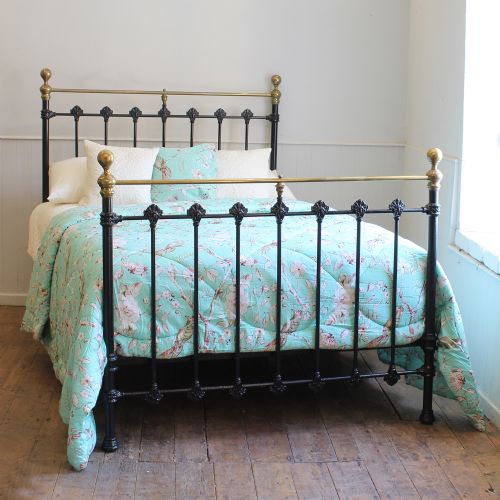
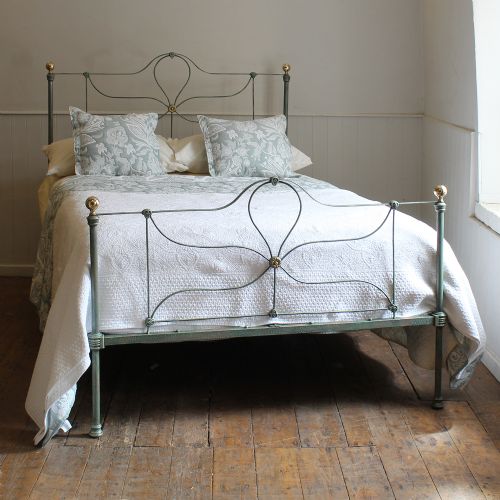
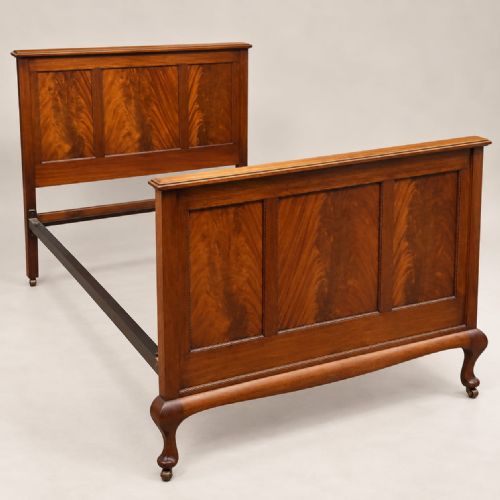
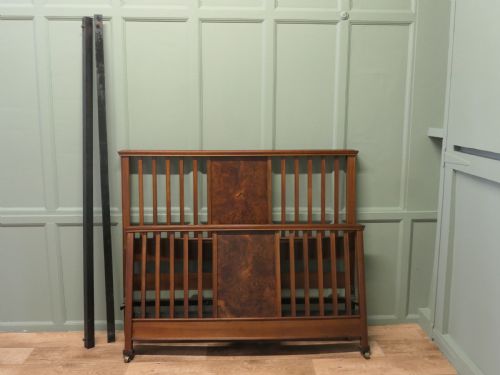
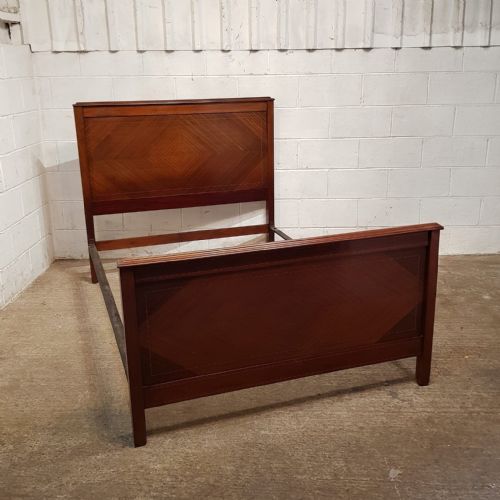
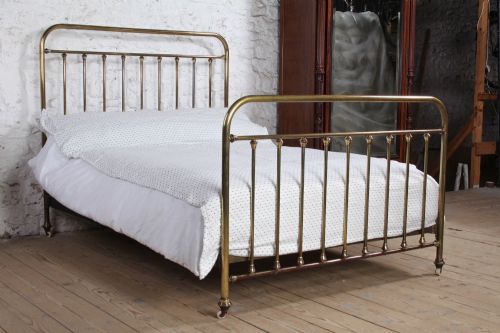
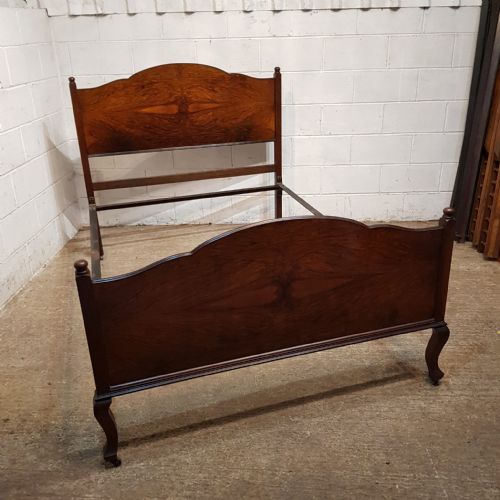
The pieces on this page span the Edwardian period alongside late Victorian and early twentieth-century examples, reflecting a crossover of styles. Mahogany, satinwood, burr walnut and oak appear alongside brass and cast iron, offering a choice between rich wood panels and decorative metal tubing.
Materials and construction
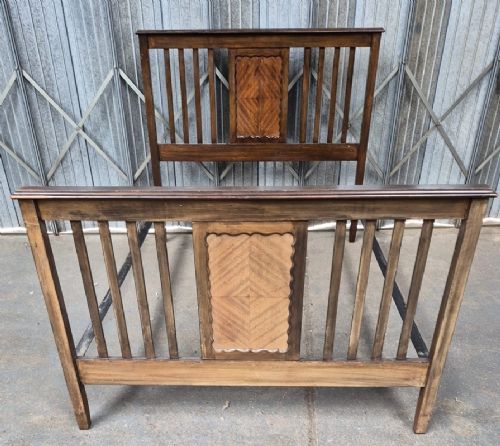
Makers utilised solid timbers including mahogany, oak and satinwood for bedsteads, often applying marquetry, inlay or painted decoration to enhance the grain. Burr walnut and plum pudding mahogany provide deeply figured surfaces on panelled headboards and footboards.
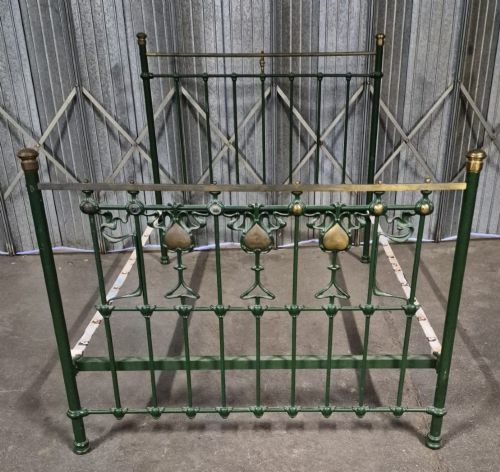
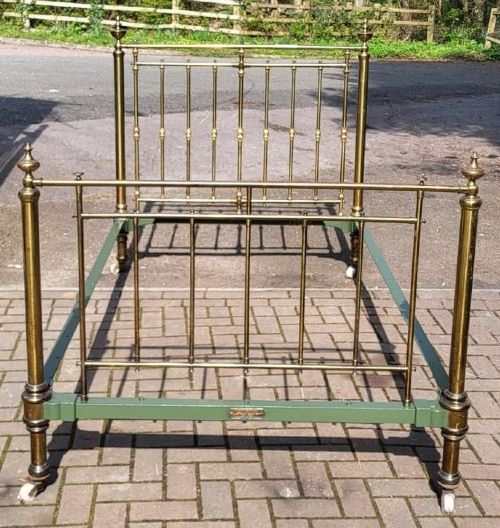
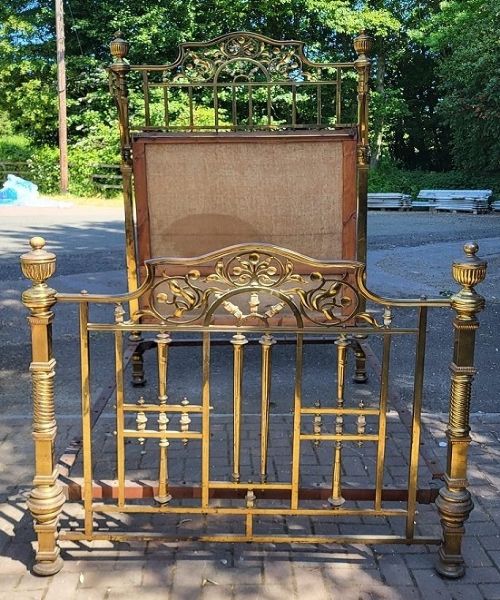
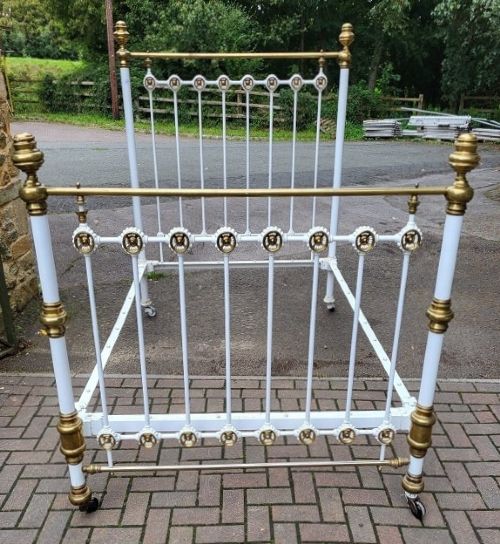
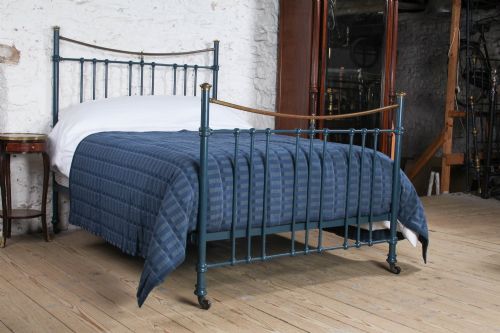
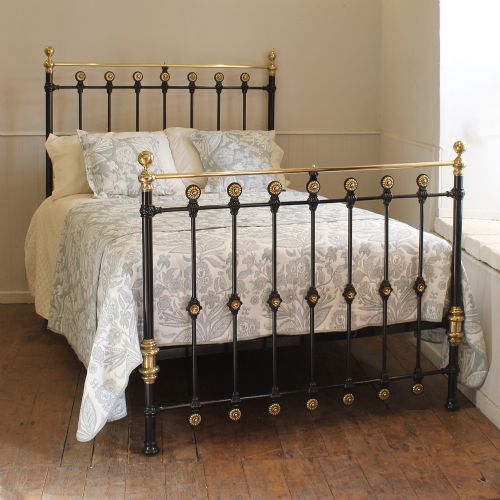
Metal frames combine cast iron and brass, utilising verdigris finishes, black paint or polished metal to create decorative joints and tubing. Mother-of-pearl inlays and brass detailing appear on select iron and wood combinations, demonstrating varied decorative techniques.
Edwardian Double Bed Frame Retail Price Guide 2026
Typical asking prices for edwardian double bed frame among the pieces listed under this phrase on Sellingantiques today, from the lower quarter to the upper quarter. They describe what is for sale here now, not the wider market.
Listings demonstrate a strong presence of Edwardian mahogany bedsteads alongside nineteenth-century brass, cast iron and burr walnut double beds.
Determining quality
Superior quality rests in the selection of timbers and the crispness of inlaid details, where figured veneers and marquetry display careful cabinetmaking. Maker attribution, such as work by Maple and Co, elevates a piece through refined proportions and superior finishing.
Metal frames show quality in the weight of the cast iron and the solidity of the brass mounts, avoiding thin tubing or crude joints. The integration of wood and metal, particularly in combination beds, distinguishes finer workshops from mass production.
Maple and Co
The Edwardian Double Bed Frame Glossary
- Bedstead
- A framework of a bed, consisting of headboard, footboard and side rails to support a mattress.
- Marquetry
- Decorative veneer work formed by small pieces of wood fitted together to create pictorial designs on panel surfaces.
- Verdigris
- A green patina formed on copper, brass or bronze surfaces through natural weathering or chemical treatment.
- Half tester
- A bedstead featuring a partial canopy extending only partway over the head of the bed.
- Satinwood
- A durable hardwood with a lustrous yellowish grain, frequently utilised for fine Edwardian cabinet furniture.
Edwardian Double Bed Frame: Frequently Asked Questions
Will a standard modern mattress fit these frames?
These historical frames were constructed to nineteenth and early twentieth-century sizing conventions rather than modern uniform dimensions. Measuring the interior width and length of the specific bedstead is essential before sourcing a mattress.
Many antique frames require custom mattress solutions or supportive wooden slats to accommodate modern depths and ensure proper alignment within the side rails.
How do I assemble an antique bed frame?
Most period iron and wooden bedsteads utilise wedge-lock or bolt-in side rail connections rather than modern screws. Careful alignment of the headboard and footboard slots with the side rails allows the joints to seat firmly under gentle tapping.
Checking that the frame sits square on the floor prevents twisting and ensures the side rails support the mattress platform evenly.
Can brass and iron beds be dismantled easily?
Metal frames typically separate into a headboard, a footboard and two side rails, making transport straightforward. The heavy cast components lift apart once the securing wedges or bolts are removed.
Storing the small fixing bolts and brackets securely prevents loss during house moves or room rearrangements.
How do I care for polished mahogany and walnut?
Finished timbers require regular dusting with a dry, soft cloth to prevent particulate build-up on the polished surface. Applying natural beeswax occasionally nourishes the wood grain without creating sticky silicone layers.
Keeping antique wooden beds away from direct heat sources and strong sunlight protects the veneers and prevents timber splitting over time.