


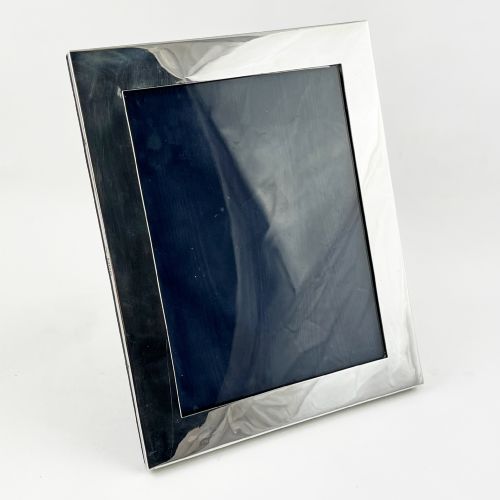

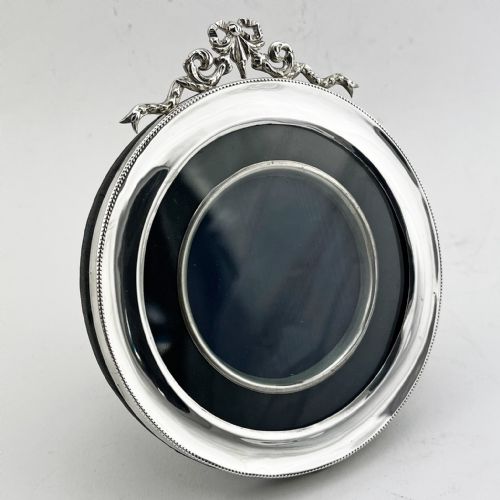
Edwardian Display Frame
When you search for an edwardian display frame, you are looking at domestic glazed cases, silver picture mounts and hanging timber cabinets designed to hold small treasures.
Edwardian Display Frame
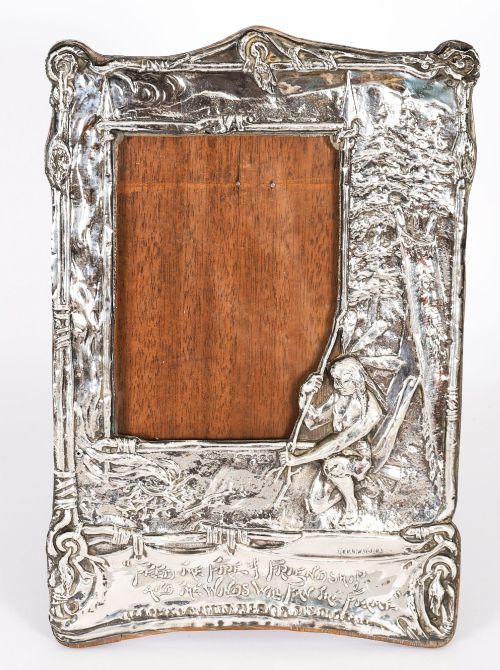
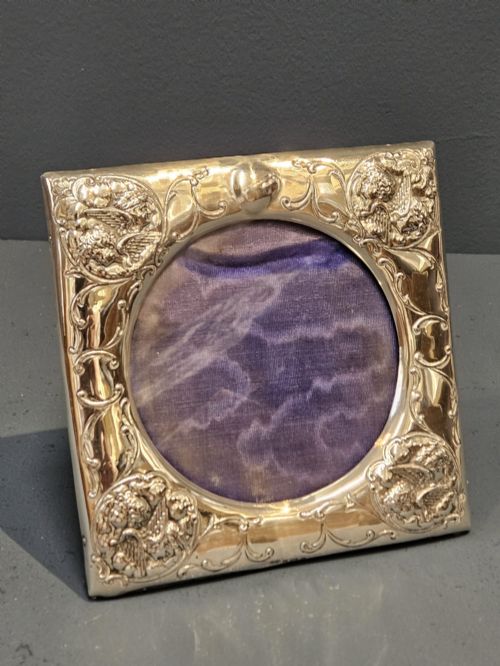
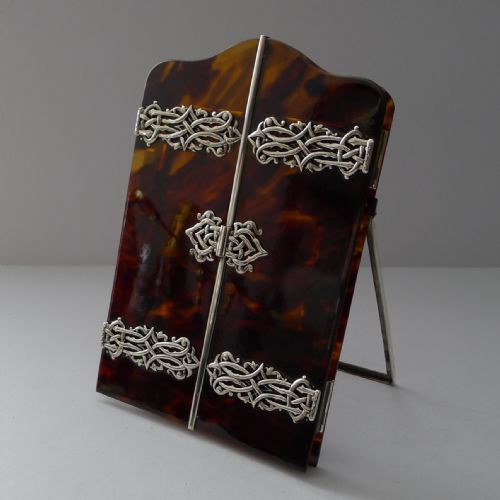
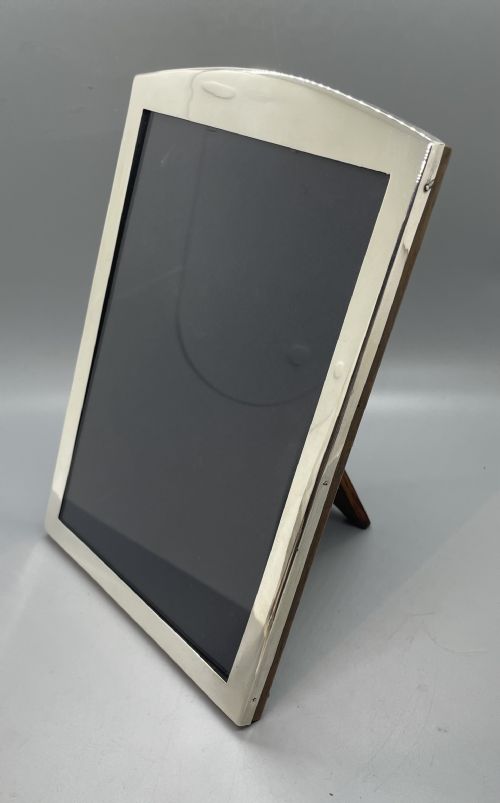
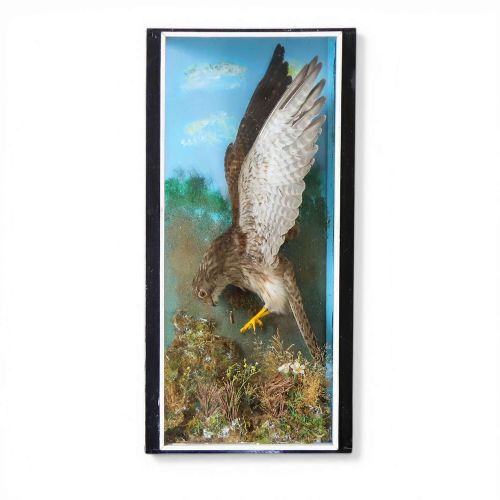
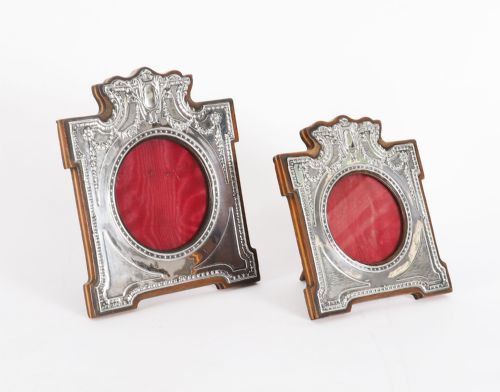
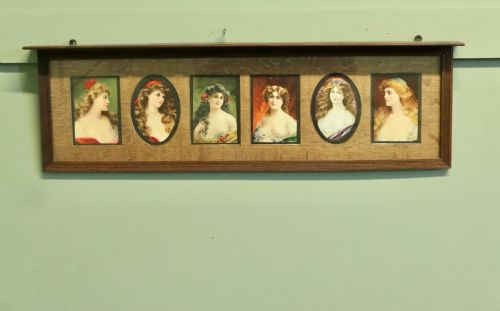
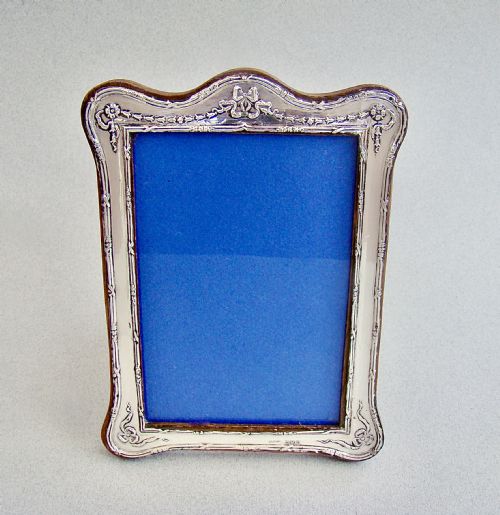
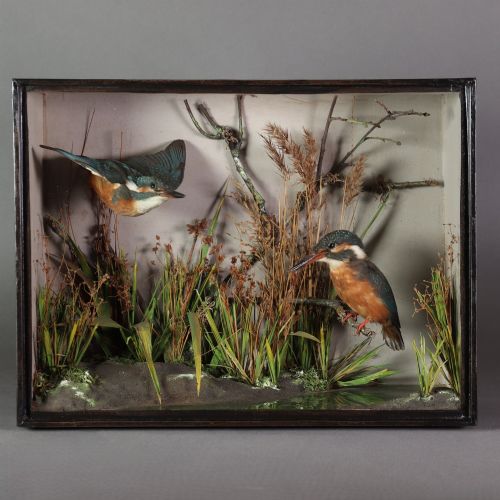
An edwardian display frame encompasses a variety of protective enclosures, from sterling silver photograph mounts and timber wall shelves to taxidermy dioramas and small cabinets. The selection on this page leans heavily toward sterling silver photo frames, glazed specimen cases, and carved wooden display pieces dating from the early twentieth century and the preceding Victorian era.
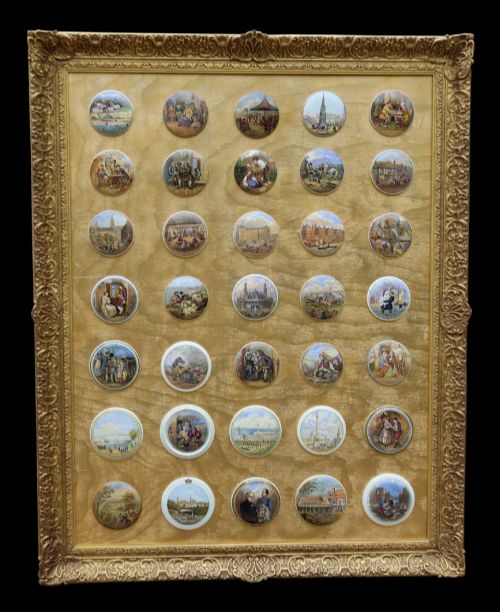
Makers and manufacturers of the period utilised these glazed and framed formats to exhibit everything from family portraits and botanical specimens to pocket watches and ceramic cameos. While some items served purely domestic functions in Edwardian homes, others originated in commercial settings as shop counter displays or trade signs.
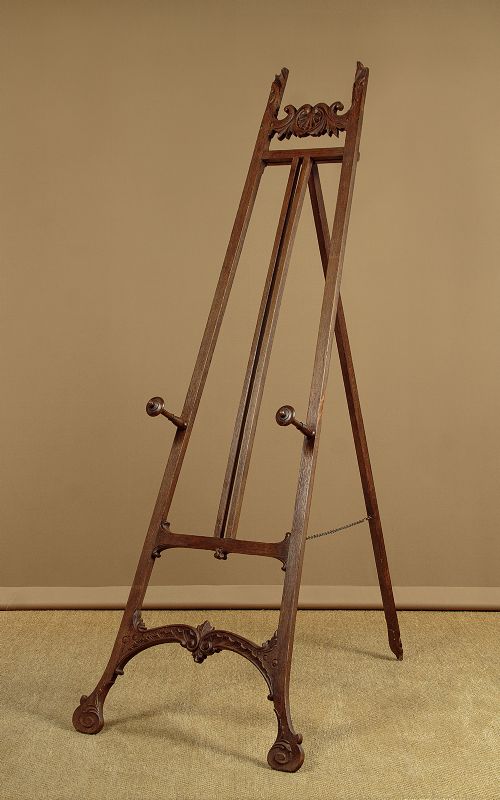
The materials visible in these pieces reflect the craftsmanship of the early twentieth and late nineteenth centuries, combining structural woods like oak and mahogany with decorative metalwork and plush fabric backings. Buyers encounter both simple wall-mounted units and freestanding easels intended to showcase specific objects of curiosity.
How they were made
Makers constructed these pieces using durable domestic and imported timbers, notably oak and mahogany, often enhanced with inlay or carved detail. Sterling silver and brass formed the structural or decorative mounts for picture frames and pocket watch holders, frequently paired with fitted velvet or leather backs.
Glazing was essential for display cases, dioramas and shadow boxes, protecting fragile contents such as butterfly specimens, feathers and textiles from dust and handling. Joinery methods relied on traditional cabinet-making techniques to house glass panels securely within wooden or metal borders.
Edwardian Display Frame Retail Price Guide 2026
Typical asking prices for edwardian display frame among the pieces listed under this phrase on Sellingantiques today, from the lower quarter to the upper quarter. They describe what is for sale here now, not the wider market.
Listings span from the nineteenth century through the Edwardian period into the 1930s, featuring glass, wood, sterling silver, velvet, brass and paper.
What varies in quality
The calibre of an edwardian display frame depends heavily on the crispness of its silver hallmarks, the depth of hand-carving on its wooden borders, and the structural integrity of its mitred corners. Finer examples retain their original glass, fabric linings and sturdy backing boards without modern replacement parts.
Artistic execution also dictates distinction, particularly in items involving specialist disciplines like taxidermy, painted signage or metal planishing. Pieces bearing maker marks from recognised silversmiths or workshops demonstrate superior finishing compared to unbranded utilitarian goods.
W I Broadway Co·Mappin Bros·T E Gunn·Hutchings of Aberystwyth
The Edwardian Display Frame Glossary
- Diorama
- A three-dimensional scene built inside a glazed case, commonly used in this period for taxidermy birds and butterflies. These enclosures preserved natural specimens in simulated environments.
- Planished
- A metalworking technique where a silversmith strikes the surface with a hammer to create smooth, light-reflecting facets. This finish appears frequently on Art Nouveau silver frames.
- Bijouterie table
- A glass-topped display table designed to hold small valuable objects and curiosities. They allow items to be viewed from above while protected under glass.
- Tantalus
- A locking wooden frame holding decanters to prevent unauthorized access to spirits. They combine secure framing with visible storage.
Edwardian Display Frame: Frequently Asked Questions
What fits inside an edwardian display frame?
These frames and cases accommodate photographs, dried specimens, small textiles, pocket watches and delicate curiosities depending on their depth.
Shallow silver borders suit portrait photographs, while deeper wooden shadow boxes and dioramas house three-dimensional objects.
How do I clean a silver frame?
Silver photograph mounts require gentle cleaning with a specialised cloth to avoid damaging the underlying velvet or leather backings.
Harsh chemical dips should be avoided to preserve original hallmarked surfaces and antique patination.
Were these frames meant for walls?
Many picture frames and shelves were manufactured with hanging loops or brackets for wall placement, while others relied on built-in easels.
Larger cabinets and dioramas were designed strictly for tabletops, shelves or shop counters.
How do I identify an Edwardian piece?
Dating relies on assay office hallmarks, maker stamps, and stylistic cues such as Art Nouveau curves or simple geometric proportions.
Materials like sterling silver, mahogany and plush velvet are typical of domestic items produced around the start of the twentieth century.