





Edwardian Dining Glass
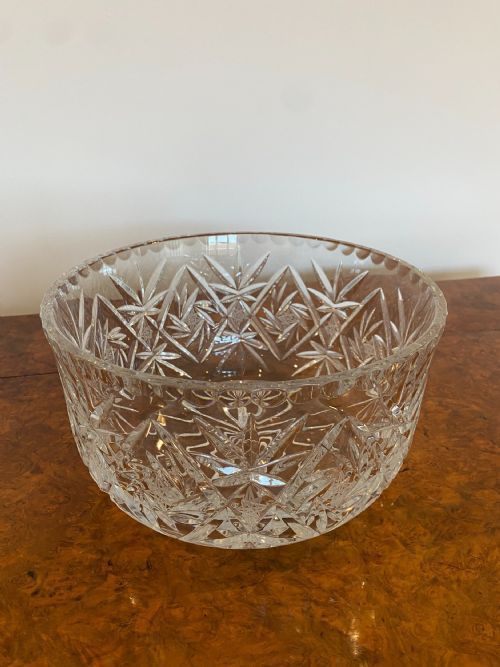
Edwardian dining glass brings brilliant sparkle and refined service to the table through pressed or cut vessels.
Edwardian Dining Glass
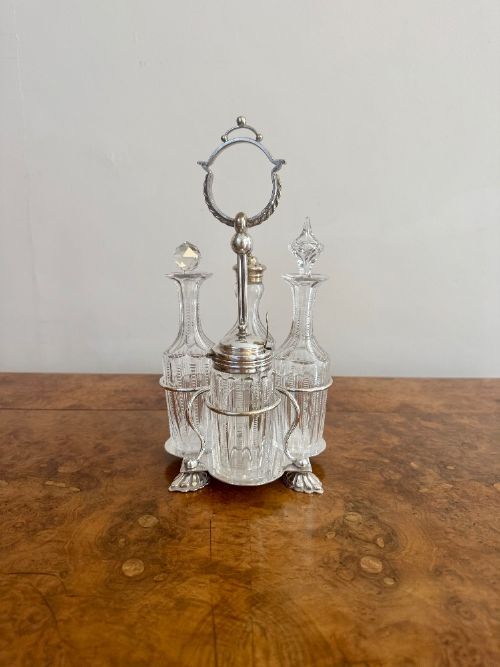
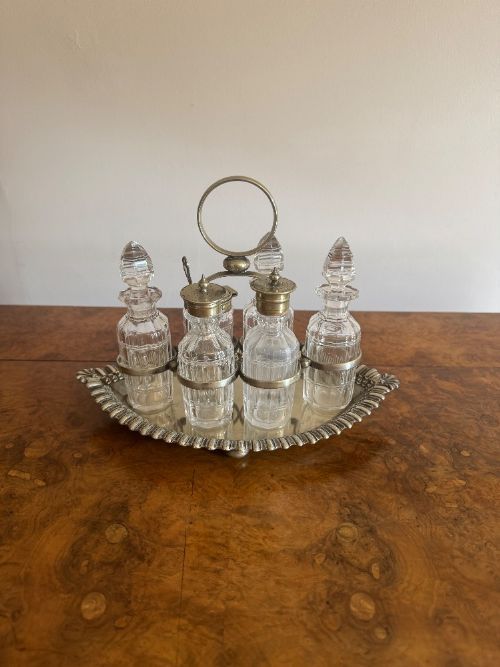
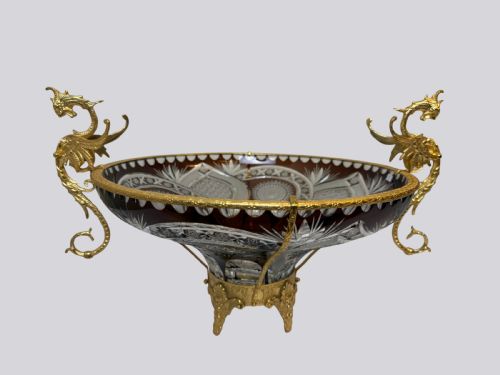
Edwardian dining glass encompasses the tableware and serving pieces used during formal meals of the period. Cruet sets, salt cellars, finger bowls, knife rests, and epergnes dominate this category, often paired with silver plate or sterling silver mounts.
The pieces on this page lean heavily towards Edwardian production alongside adjacent Victorian and early twentieth-century examples. Buyers encounter everything from small table salts with cobalt glass liners to tall table epergnes and cut glass cruets.
Vessels span functional dining accessories and decorative centrepieces designed for the dining table or sideboard. Clear cut glass predominates, though coloured glass makes notable appearances in specific forms.
How they were made
Glass production relied on blowing, moulding, and extensive hand-cutting to achieve deep facets and decorative patterns. Master artisans shaped molten material into tableware before cooling and polishing.
Many glass components integrate metal elements such as sterling silver, silver plate, and gilt bronze. Mounts, rims, and stands secure the fragile glass vessels while adding structural contrast.
Edwardian Dining Glass Retail Price Guide 2026
Typical asking prices for edwardian dining glass among the pieces listed under this phrase on Sellingantiques today, from the lower quarter to the upper quarter. They describe what is for sale here now, not the wider market.
Some silver menu holders take the form of detailed little owls, keeping a watchful eye over the evening's culinary offerings.
What varies in quality
The clarity and weight of the glass determine the baseline quality of each item. Heavier metal mounts and crisp, deep cutting indicate superior manufacture.
Completeness and original fittings elevate certain items, such as cased knife rests or matched cruet sets with all original glass bottles intact. The inclusion of original cases or genuine liners preserves historical integrity.
Edwards and Roberts·Sampson Mordan·Liberty
The Edwardian Dining Glass Glossary
- Cruet set
- A matched assembly of glass bottles or cruets held in a metal stand for condiments. These sets sit centrally on the dining table during meals.
- Epergne
- A large ornamental centrepiece featuring a central trumpet or bowl surrounded by smaller hanging baskets. They typically display flowers or fruit.
- Finger bowl
- A small bowl filled with water used for rinsing fingers between courses. They frequently feature engraved glass designs.
- Knife rest
- A small horizontal support designed to keep carving or dining knives elevated above the tablecloth. They often pair cut glass bars with silver ends.
- Cobalt glass
- Deep blue glass used primarily for liners inside open salt cellars. The rich colour provides a strong visual contrast against silver mounts.
Edwardian Dining Glass: Frequently Asked Questions
What is an epergne used for?
An epergne serves as a dramatic table centrepiece designed to hold fruit, sweets, or floral arrangements during formal dining occasions. Its tiered branches create height and visual interest across the tablescape.
Victorian and Edwardian hosts utilised these decorative centerpieces to impress guests during multi-course meals. The multi-vessel design allowed for varied displays of fresh flowers and preserved delicacies.
Are salt cellars still useful?
Open salt cellars make charming modern salt pigs or small condiment dishes for dinner parties. They add historical character to contemporary table settings.
Collectors also repurpose them to hold small items like rings or trinkets on dressing tables. Their vibrant liners bring a touch of colour to any display.
What are knife rests for?
Knife rests keep used cutlery elevated above the linen tablecloth between courses. This prevents sauces and food residue from staining the table linen.
Placed beside each setting, these small glass and silver supports reflect light and demonstrate formal dining etiquette. They remain highly collectable table accessories today.