

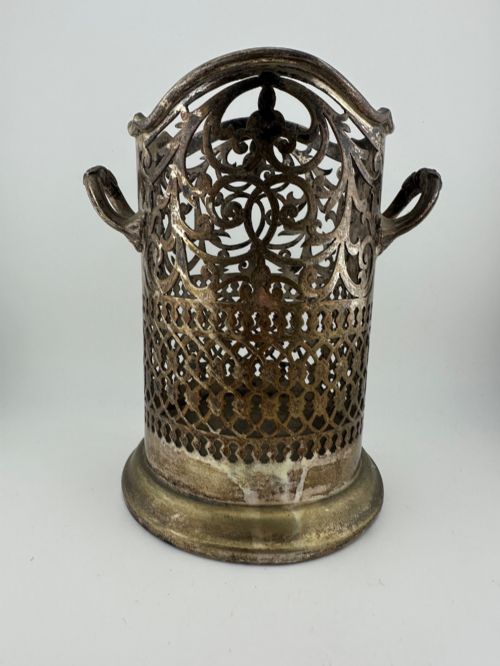
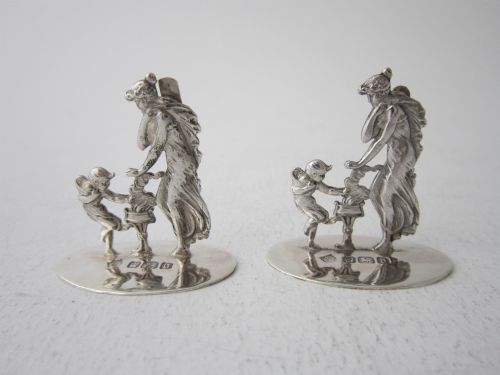
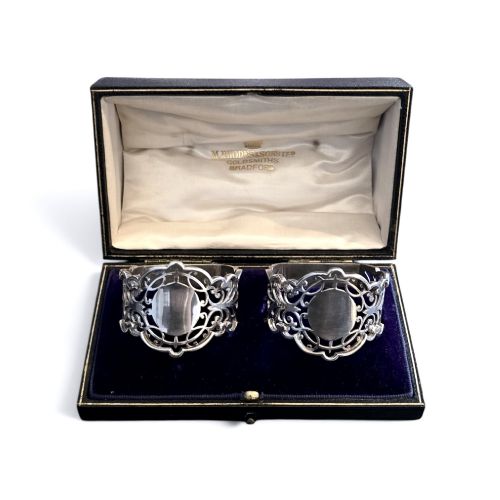
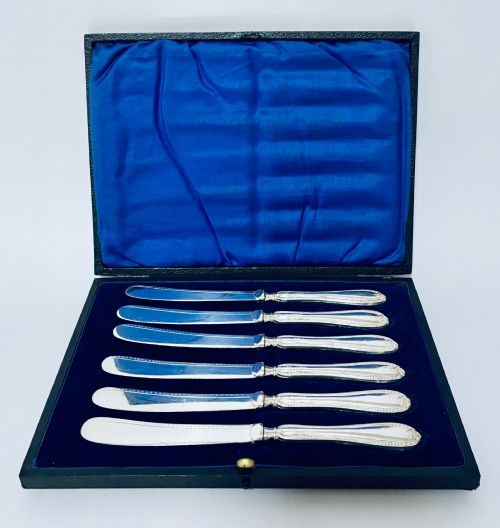
Edwardian Dining Accessories
Edwardian dining accessories are small table silver pieces and utensils that bring formal polish to a meal.
Edwardian Dining Accessories
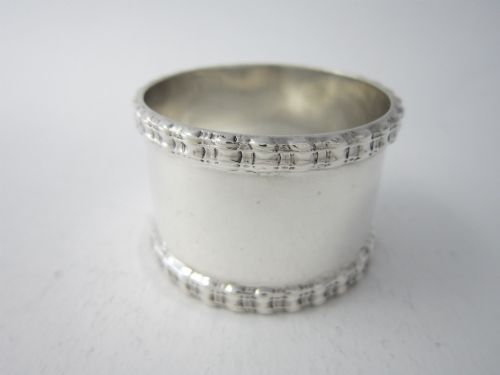
Edwardian dining accessories encompass the small decorative and functional items used at the formal dinner table, spanning napery fixings, menu stands, and serving implements. You are most likely to encounter sterling silver napkin rings, figural menu holders, and toast racks originating from the early decades of the twentieth century. These objects reflect the elaborate tablescape traditions of the period, often surviving today in their original fitted presentation boxes lined with silk or velvet.
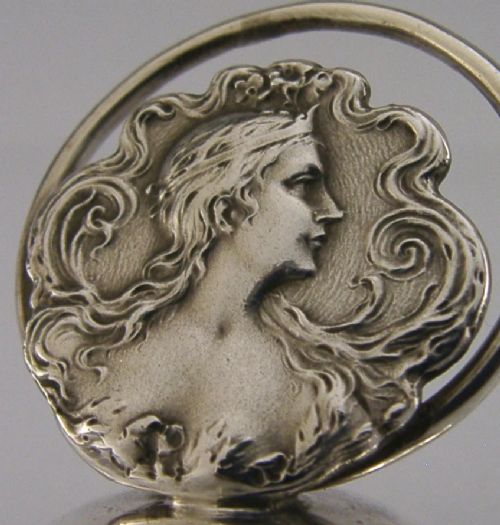
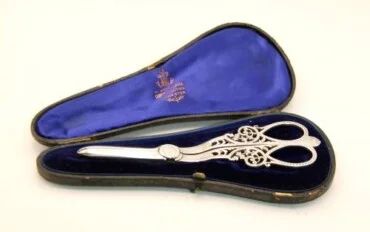
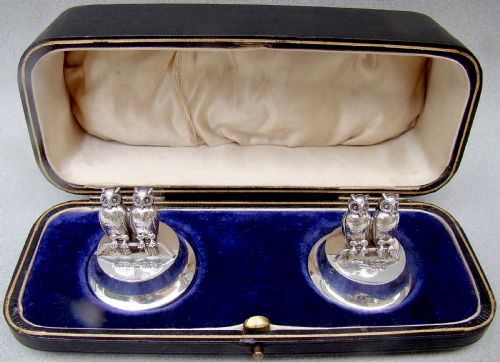
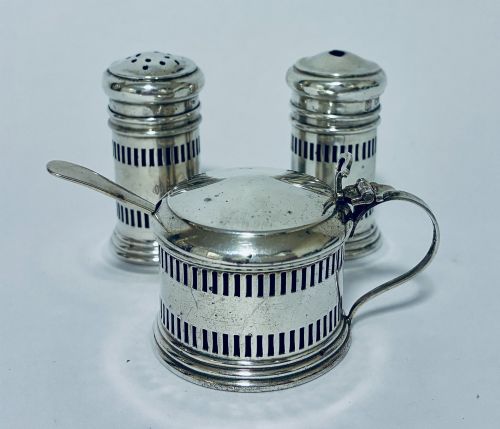
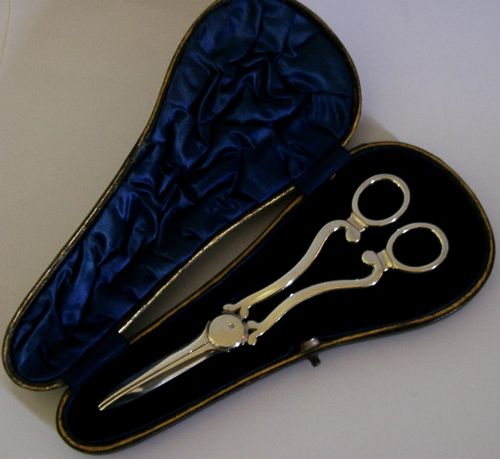
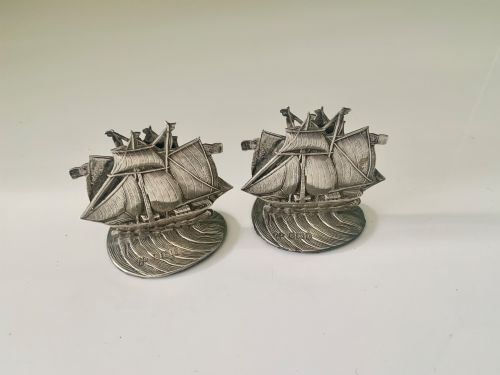
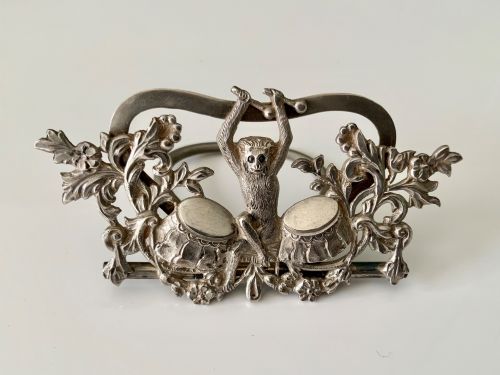
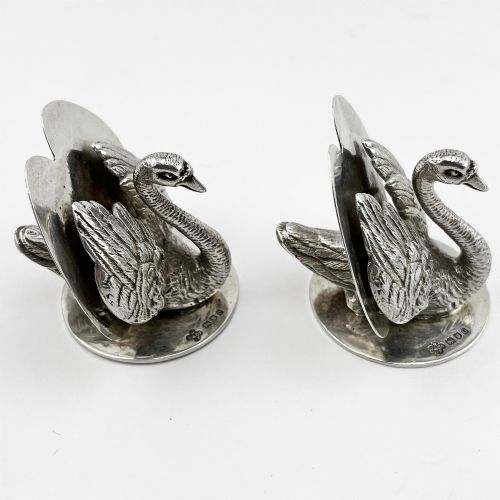
The selection ranges from utilitarian cutlery and knife rests to whimsical table ornaments such as silver owls, monkeys, and galleons serving as place card holders. Alongside Edwardian pieces, the inventory includes late Victorian and George V examples, reflecting overlapping periods of manufacture in sterling silver and silver plate. Cruet sets and grape shears also appear, demonstrating the diverse range of implements designed to assist with specific courses and condiments.
How they were made
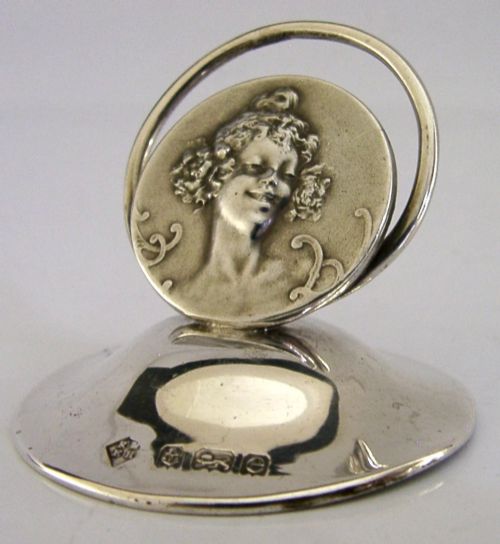
Makers utilised sterling silver and silver plate as the primary metals, shaping them through casting, piercing, and stamping techniques. Figural menu holders often combine cast dimensional motifs, such as maidens or animals, with weighted bases or hinged back supports. Cut glass components appear alongside silver mounts, particularly in cruet sets and knife rests, requiring precision cutting and secure collar fittings.
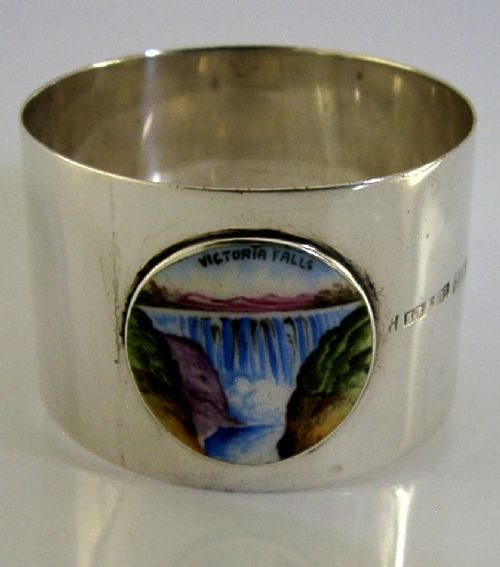
Presentation and storage formed an integral part of production, with many sets housed in custom cases lined with silk, satin, or leatherette. Surface decoration relied on engine turning, embossed detailing, and occasionally coloured enamel accents, as seen on specific pictorial napkin rings.
Edwardian Dining Accessories Retail Price Guide 2026
Typical asking prices for edwardian dining accessories among the pieces listed under this phrase on Sellingantiques today, from the lower quarter to the upper quarter. They describe what is for sale here now, not the wider market.
Listings span multiple manufacturing periods, predominantly capturing the Edwardian era alongside Victorian and George V examples.
What varies in quality
Quality rests upon the crispness of the modelling in figural pieces and the weight of the silver used in construction. Substantial gauge metal resists bending and denting, marking a clear distinction from lighter stamped wares. The presence of original fitted boxes with intact silk and velvet linings elevates an item's integrity.
Martin Hall & Co·Levi & Salaman·C.T. Burrows & Sons·Mappin & Webb
The Edwardian Dining Accessories Glossary
- Sterling silver
- A silver alloy containing 92.5 percent pure silver by mass and 7.5 percent other metals, usually copper. This standard composition provides the durability required for functional tableware.
- Toast rack
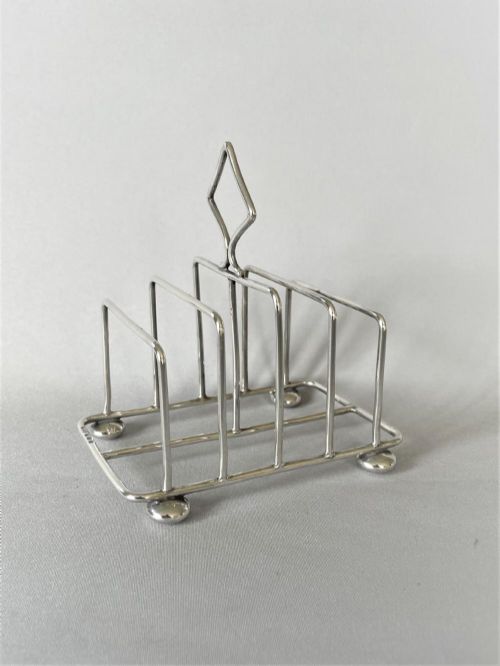
- A small table frame with vertical dividers designed to hold slices of toast upright. This form keeps the toast crisp by allowing air to circulate around each piece.
- Menu holder
- A small desk-like stand or clip used to display the menu or place card on a dining table. These items frequently feature decorative or figural designs.
- Cruet set
- A matched group of glass bottles or cruets for holding condiments such as oil, vinegar, salt, and pepper. They usually sit within a metal frame or stand.
- Knife rest
- A small horizontal support placed on the table between courses to keep the blades of used knives off the tablecloth. They are often made of silver, silver plate, or cut glass.
Edwardian Dining Accessories: Frequently Asked Questions
What are menu holders used for?
Menu holders display individual course lists or guest names on formal dining tables. They keep cards upright and visible to diners.
These pieces often double as decorative ornaments, featuring figural designs ranging from animals to Art Nouveau motifs.
How do I clean antique silver accessories?
Antique silver requires gentle cleaning with a specialised silver cloth or mild detergent in warm water. Avoid abrasive pastes that remove fine surface details.
Store pieces in dry, tarnish-resistant conditions, especially items lined with original silk or velvet.
Are cased sets original?
Many Edwardian dining accessories survive in their original fitted presentation cases lined with silk, velvet, or leatherette. These boxes were custom-made for the specific set of items.
Matching hallmarks on the silver and fitted recesses within the box confirm the integrity of the ensemble.
What is the difference between silver and silver plate?
Sterling silver consists of a solid silver alloy throughout the entire object, marked with standard assay hallmarks. Silver plate involves a thin layer of silver bonded to a base metal core.
Solid silver pieces generally carry higher intrinsic value and greater weight than plated equivalents.