




Edwardian Diamond Wristlet
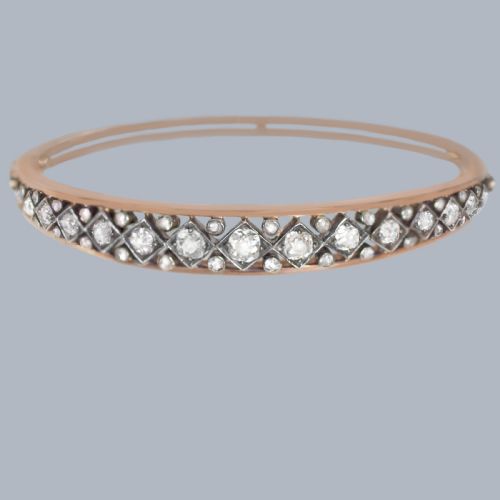
When you handle an edwardian diamond wristlet, you hold delicate platinum and gold work set with old cut stones designed to drape the wrist.
Edwardian Diamond Wristlet
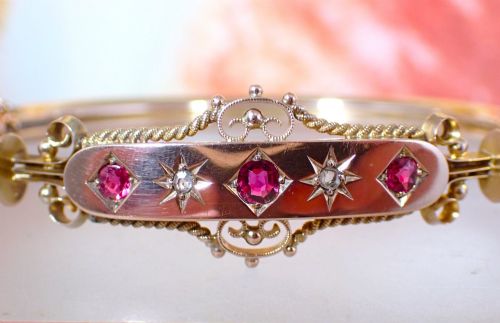
An edwardian diamond wristlet encompasses antique bracelets, bangles, and flexible fine jewellery pieces dating primarily from the early twentieth century. These items range from delicate platinum mountings set with brilliant cut stones to substantial gold bangles incorporating rubies, sapphires, emeralds, and seed pearls.
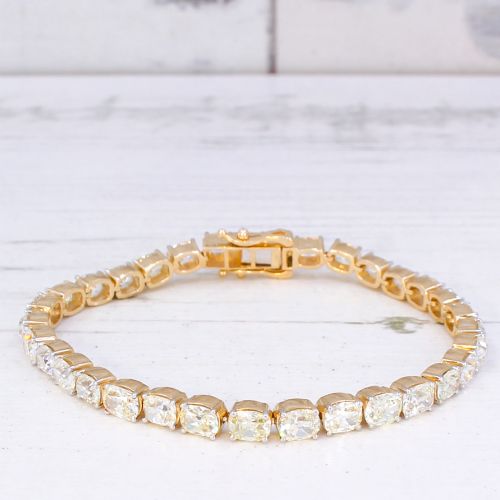
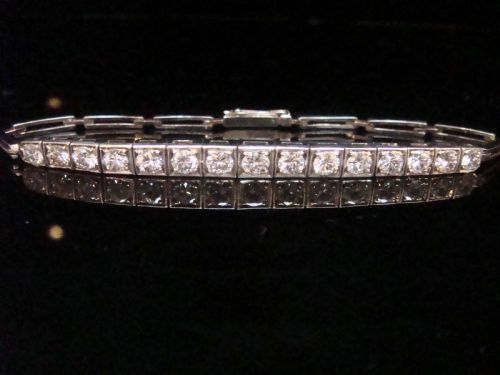
While the search specifically points to Edwardian work, the pieces available span Victorian, Art Nouveau, Belle Epoque, and Art Deco periods. Buyers frequently encounter flexible tennis bracelets alongside hinged bangles and openwork platinum lines.
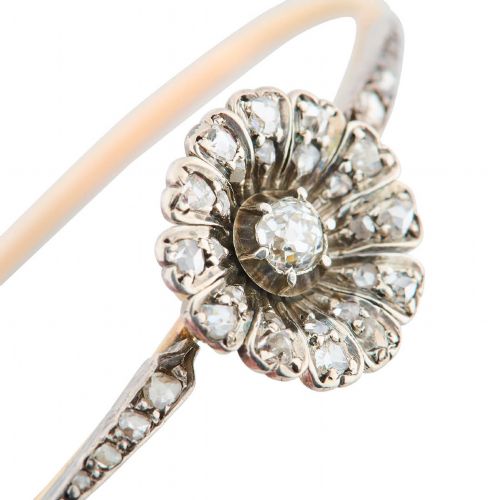
The materials recorded in these listings combine classic yellow and rose gold with white gold, platinum, and silver-topped settings. Stones include old mine cut and brilliant cut diamonds paired with coloured gems.
How they were made
Maker techniques rely on combining precious metals like platinum and varied carats of yellow, rose, and white gold to construct secure settings for diamonds and coloured gemstones. Artisans utilised collet settings, prong mountings, and intricate piercing to maximise light through old mine cut and brilliant cut stones.
Structural integrity depended on heavy gauge gold bands, hinged bangle mechanisms, and flexible link construction for wristlets. Many early pieces integrated silver on top of gold faces to enhance the brilliance of the diamonds before platinum became the dominant structural metal.
Listings combine platinum and gold frameworks with diamonds, emeralds, sapphires, rubies, and seed pearls spanning the Victorian to Art Deco eras.
What varies in quality
Quality rests upon the proportion and weight of the precious metal relative to the total carat weight of the diamonds and coloured stones. Heavier platinum and gold mountings demonstrate superior craftsmanship and structural durability over time.
The precision of stone cutting, particularly in old mine cut and brilliant cut diamonds, dictates how light moves across the piece. Finer examples maintain original hinges, secure clasps, and intact seed pearls or matching rubies, sapphires, and emeralds.
The Edwardian Diamond Wristlet Glossary
- Old mine cut
- A diamond cut characteristic of the nineteenth and early twentieth centuries featuring a cushion shape, high crown, and large culet facet.
- Platinum
- A dense, durable white metal utilised extensively in fine jewellery fabrication during the Edwardian and Art Deco periods.
- Collet set
- A stone setting method where a metal collar encircles the girdle of the gemstone to hold it securely in place.
- Seed pearl
- Very small natural or cultured pearls often strung or clustered alongside diamonds in antique bangles and bracelets.
- Belle Epoque
- A period of opulent design flourishing around the turn of the twentieth century, bridging Victorian rigidity and Art Deco abstraction.
Edwardian Diamond Wristlet: Frequently Asked Questions
How do I wear a diamond wristlet daily?
These delicate antique pieces require thoughtful care, so avoid wearing them during heavy manual tasks or vigorous physical activities to protect the settings and stones.
Store each bracelet or bangle flat in a lined box to prevent scratching against other items in your collection.
What is the difference between a bangle and a bracelet?
Bangles are rigid circular bands, often featuring a hinged opening and a secure safety chain for the wrist.
Bracelets are flexible chains or linked rows of stones that drape softly around the wrist without a rigid hoop structure.
How can I tell an Edwardian piece from Art Deco?
Edwardian designs rely on lacy platinum openwork, garlands, and flowing motifs that mirror natural curves and lightness.
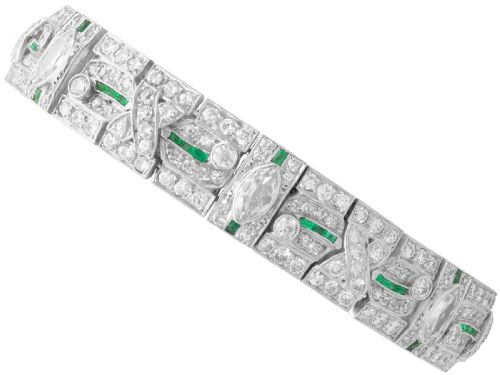
Art Deco pieces introduce geometric symmetry, sharper lines, and strong contrasts between diamonds and emeralds or sapphires.
Did these pieces always include coloured stones?
Many examples feature diamonds alone, but jewellers frequently paired them with rubies, sapphires, emeralds, or seed pearls.
Coloured gemstones added vibrant contrast to the white sparkle of platinum and the warmth of yellow or rose gold.