

Edwardian Decorative Silver
Edwardian decorative silver brings ornate craftsmanship into modern interiors through sterling silver and silver plate.
Edwardian Decorative Silver
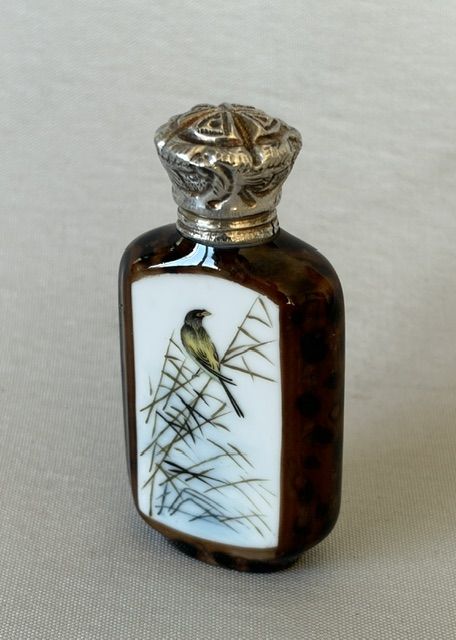
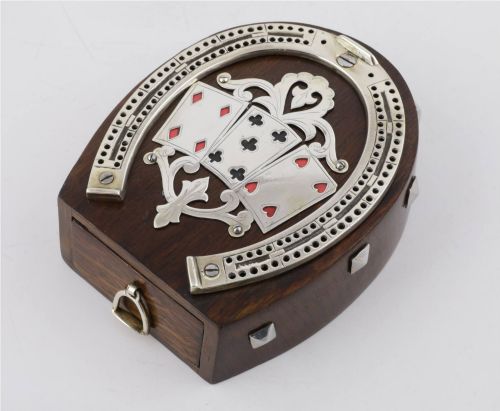
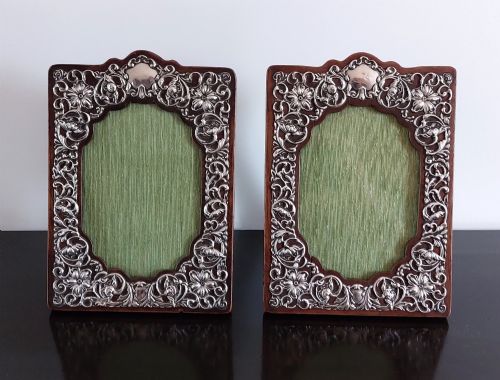
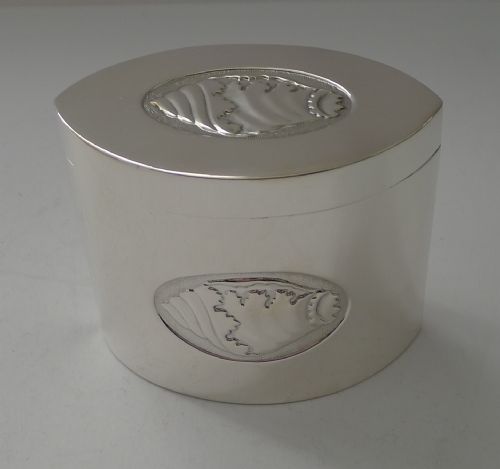
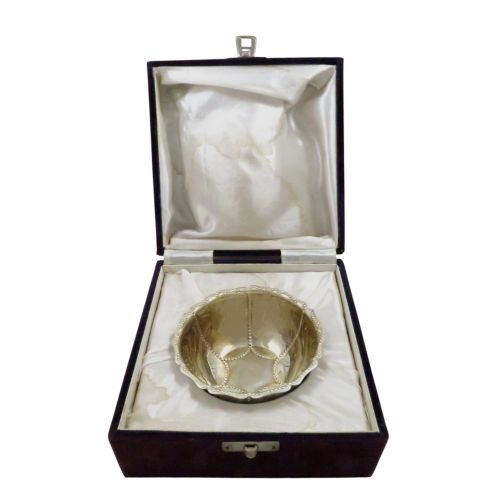
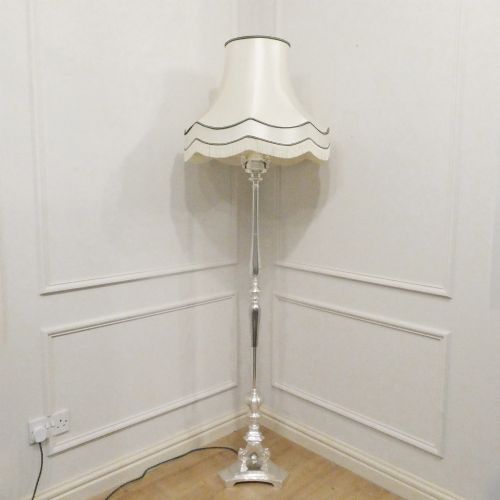
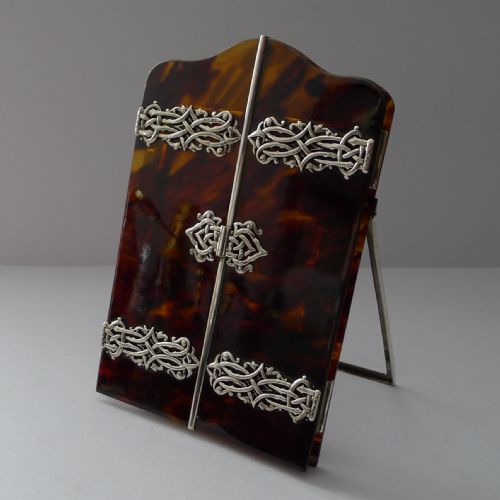
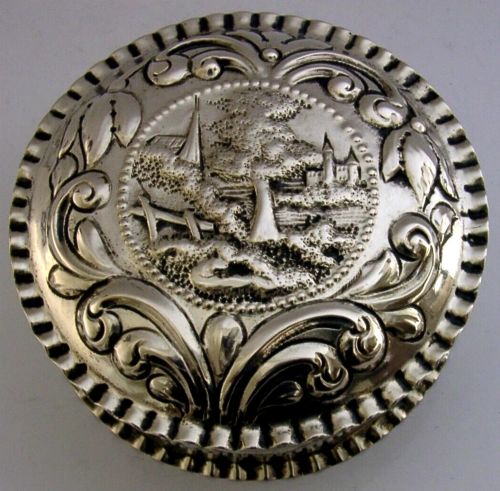
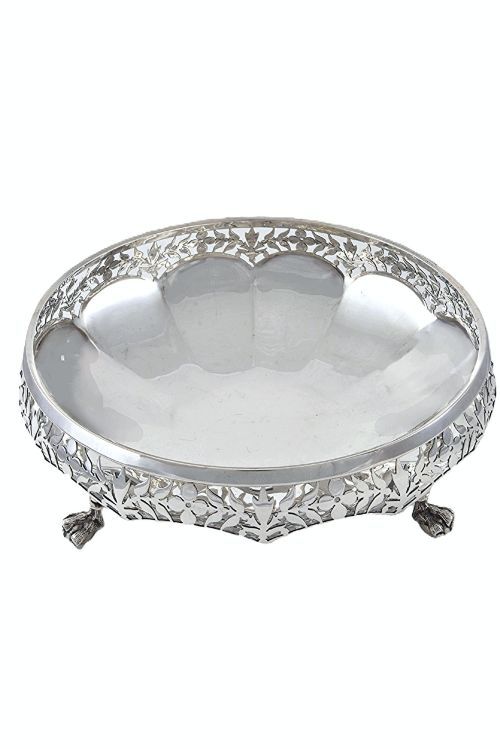
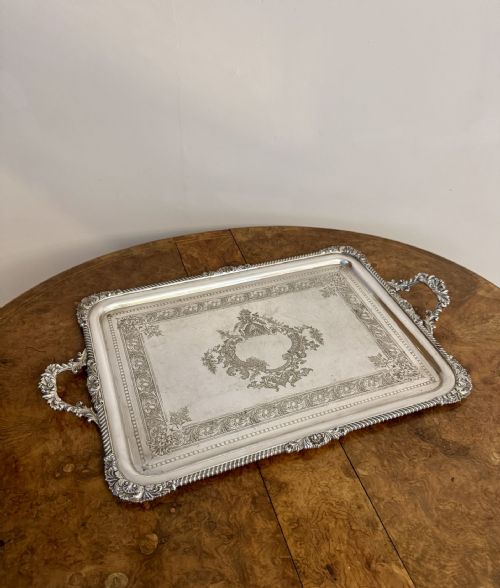
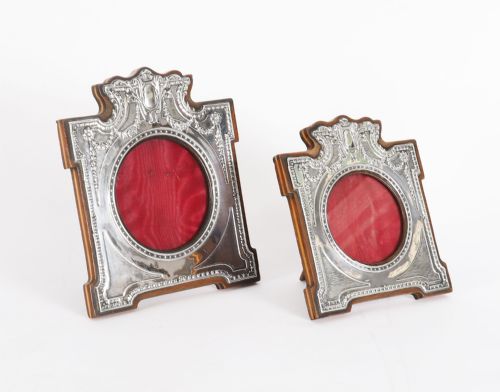
Edwardian decorative silver encompasses an array of household objects made primarily during the early twentieth century, spanning functional items and purely ornamental pieces. The selection includes sterling silver and silver plate picture frames, centrepieces, bowls, and trays.
Buyers frequently encounter photograph frames fitted with velvet backs, alongside elaborate tea caddies and decorative bowls. These domestic accessories reflect the social habits and interior tastes of the Edwardian period.
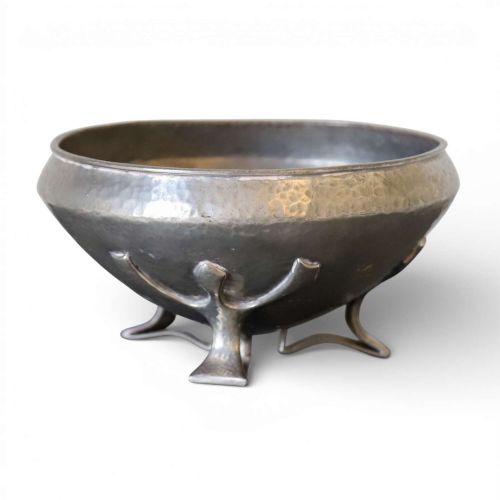
The objects draw upon established styles such as Art Nouveau, Arts and Crafts, and Neoclassical designs. Pieces range from modest novelty pin cushions to large presentation table boxes and centrepieces.
Materials and Techniques
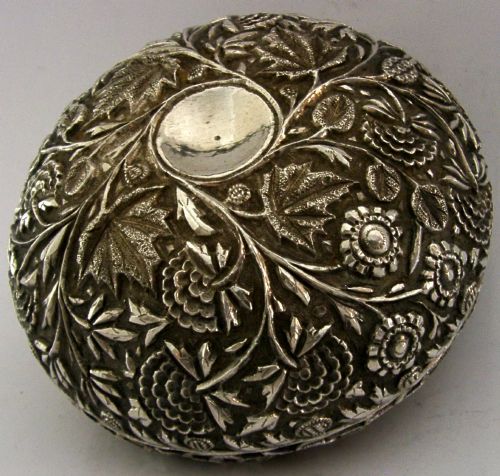
Objects in this category utilise solid sterling silver or silver plate applied over base metals, often combined with glass, wood, brass, and velvet. Silversmiths employed casting, embossing, and hand-carving techniques to shape the metal components.
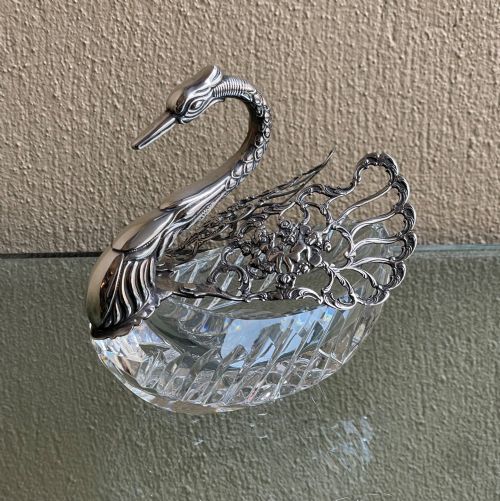
Artistic movements of the era influenced surface decoration, resulting in flowing organic motifs for Art Nouveau pieces and symmetrical classical ornamentation for Neoclassical forms. Manufacturers combined these metals with cut glass bodies or carved wooden inserts to create contrasting textures.
Novelty pin cushions shaped as dogs and carts sit alongside walking sticks concealing hidden sword blades.
Variations in Quality
Quality in these items rests upon the crispness of the chased or embossed detail and the structural integrity of the mounting. Heavier gauge metal provides greater durability and a more substantial feel in daily handling.
Maker attribution and the harmony of mixed materials, such as well-fitted glass inserts or intact velvet backing boards, separate standard production items from superior examples.
Liberty & Co·Oliver Baker·Mappin Bros·Charles Boyton·Hardy Brothers·Goldsmiths and Silversmiths Co·Elkington & Co
The Edwardian Decorative Silver Glossary
- Sterling silver
- An alloy containing a high proportion of pure silver combined with other metals to ensure strength. This standard is marked by specific hallmarks on British items.
- Silver plate
- A layer of silver fused or electroplated onto a base metal core such as brass or copper. This technique offered an accessible alternative to solid silver objects.
- Centrepiece
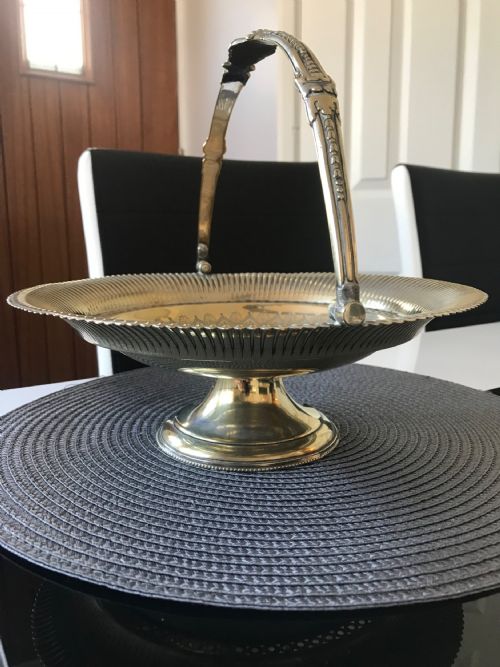
- A large decorative vessel or stand placed in the middle of a dining table or sideboard. These items often took the form of bowls, epergnes, or elevated baskets.
- Tazza
- A small shallow cup or bowl raised upon a foot and stem. Silversmiths used these forms primarily for serving small food items or as decorative table ornaments.
- Epergne
- An ornamental centrepiece featuring multiple branching dishes or baskets suspended from a central frame. They were utilised for holding fruit, sweets, or floral displays.
Edwardian Decorative Silver: Frequently Asked Questions
What is Edwardian decorative silver?
Edwardian decorative silver comprises functional and ornamental objects produced around the early twentieth century.
These items range from picture frames and tea caddies to large centrepiece bowls.
How do I clean silver plate?
Silver plate requires gentle cleaning with a specialised silver cloth or mild polish to protect the thin surface layer.
Avoid harsh abrasive materials that can wear away the silver coating over the base metal.
How do I identify a photograph frame period?
Frame periods are identified through hallmarks, easel back construction methods, and stylistic decorative motifs.
Edwardian examples often feature specific floral or ribbon patterns alongside original velvet linings.
How were centrepieces used?
Centrepieces served as prominent decorative table displays during formal dining occasions and domestic gatherings.
Hosts filled them with fruit, flowers, or sweetmeats to anchor the table arrangement.
What is the difference between sterling and plate?
Sterling silver consists of solid precious metal throughout the entire object, bearing official assay hallmarks.
Silver plate applies a thin coating of silver over a supportive base metal substrate.