



Edwardian Decorative Plate
These pieces combine domestic display with skilled craft, bringing an Edwardian decorative plate into your home to anchor a room.
Edwardian Decorative Plate
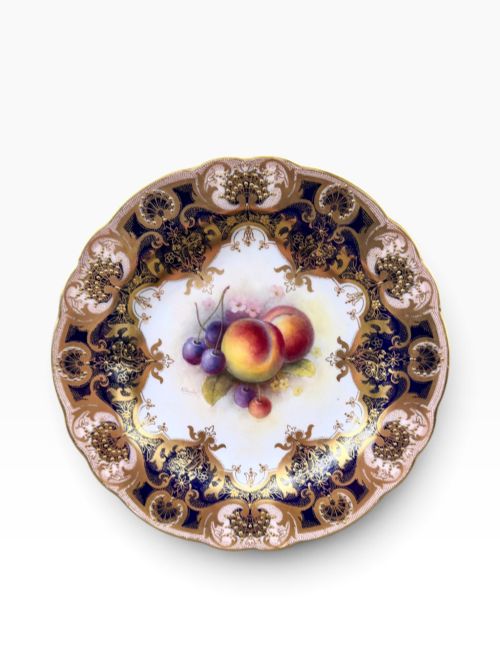
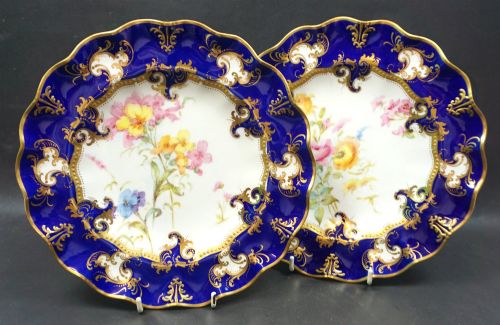
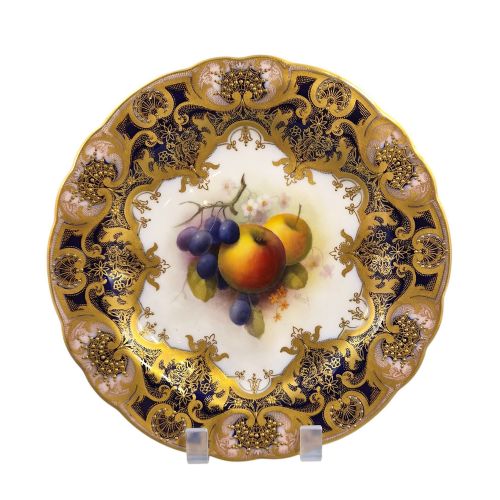
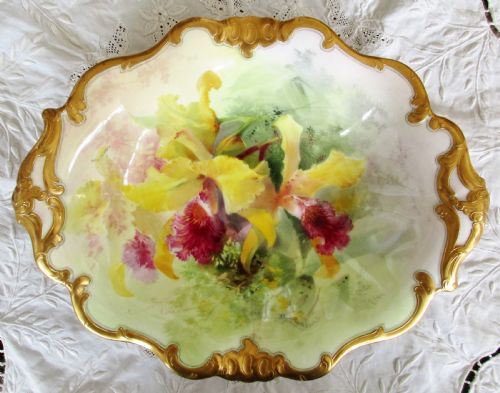
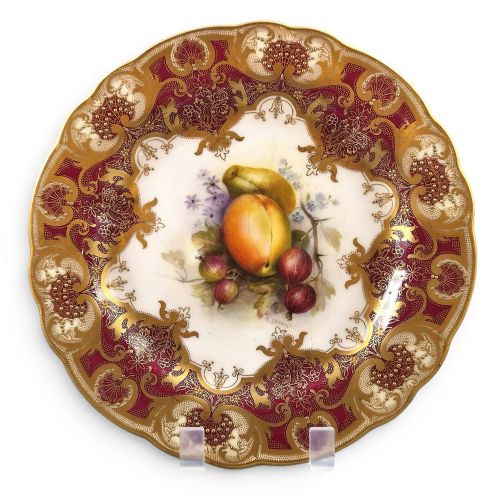
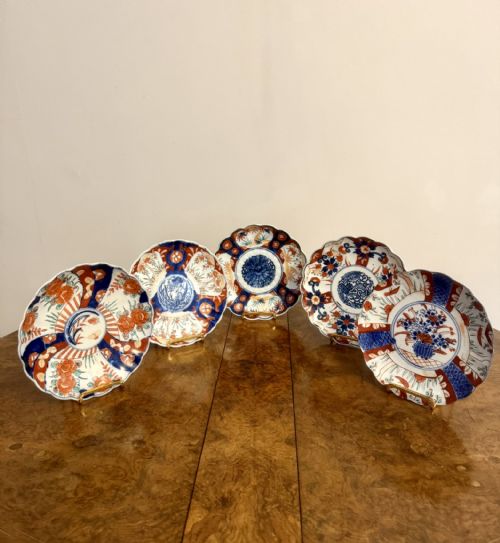
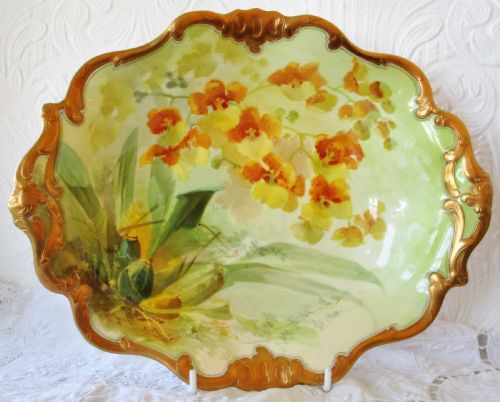
When you search for an edwardian decorative plate, you find items conceived for display on walls, shelves, and cabinets rather than for everyday dining. The versions you meet most frequently on this page span porcelain and earthenware, often decorated with hand-painted fruit, florals, or exotic birds.
The objects take forms such as cabinet plates, cabinet dishes, and decorative chargers, originating predominantly from the early twentieth century alongside related examples from the late Victorian period. Makers range from major English potteries to international foundries, producing works intended to catch the eye in formal rooms.
Materials and Techniques
The construction relies heavily on English porcelain, bone china, and ironstone, providing a smooth white ground suited to intricate painting. Potters and painters applied detailed enamels, cobalt blue, and tooled gilding, often signed by studio artists who specialised in botanical or avian subjects.
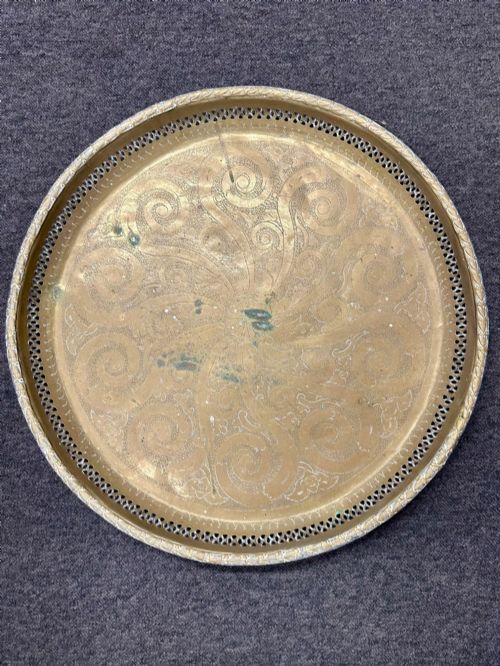
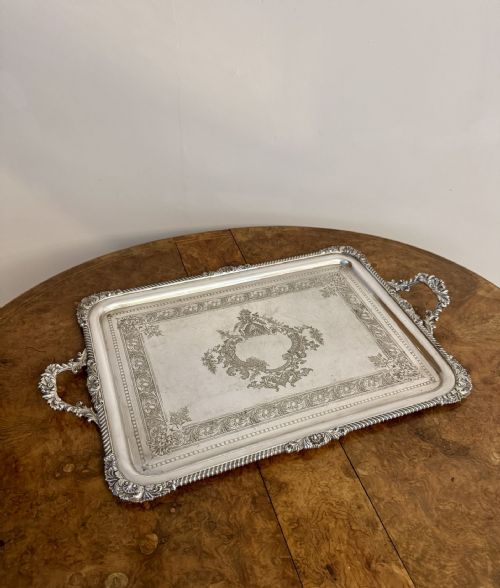
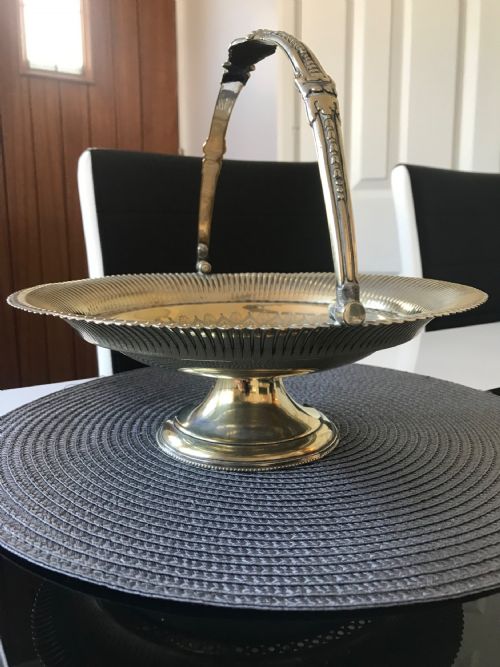
Beyond ceramics, some plates and chargers utilise metals including brass, cast iron, and beaten pewter, shaped through piercing, hammering, and engraving. These metallic techniques create textured wall chargers and gallery trays that complement the painted ceramic pieces.
Edwardian Decorative Plate Retail Price Guide 2026
Typical asking prices for edwardian decorative plate among the pieces listed under this phrase on Sellingantiques today, from the lower quarter to the upper quarter. They describe what is for sale here now, not the wider market.
Listings feature porcelain, bone china, ironstone, brass, cast iron, and pewter across the Edwardian and Victorian periods.
Evaluating Quality
The distinction between standard items and the top of the range rests on the skill of the hand-painting and the prominence of the artist. Plates featuring named artist work, such as detailed fruit studies or specialised avian motifs, stand apart from simpler transfer-printed decorations.
Material application also dictates standing, with heavier, finely tooled gilt work and precise piercing or hammering indicating superior workshop standards. The crispness of the porcelain body and the depth of the glaze separate ordinary decorative dishes from exceptional cabinet pieces.
Royal Crown Derby·Royal Worcester·Royal Doulton·Kasli Foundry·Coalport
The Edwardian Decorative Plate Glossary
- Cabinet plate
- A decorative ceramic plate intended for display in a cabinet or on a wall rather than for table service. These pieces usually feature elaborate hand-painted scenes or rich gilding.
- Charger
- A large decorative plate or dish used primarily as a base setting or hung on a wall. They appear in ceramic, ironstone, brass, and pewter.
- Bone china
- A type of soft-paste porcelain incorporating bone ash, known for its high strength, chip resistance, and translucent white body. It served as the standard canvas for fine Edwardian painting.
- Imari
- A style of Japanese ceramic decoration featuring underglaze blue and overglaze red, gold, and other colours, which heavily influenced British ceramic design. The palette is bright and densely patterned.
- Gilding
- The application of gold leaf or gold powder to the surface of porcelain or metal. Tooled gilding involves incising patterns into the gold for added texture and reflection.
Edwardian Decorative Plate: Frequently Asked Questions
What is an edwardian decorative plate used for?
These items served primarily as ornamental furnishings to showcase wealth, taste, and artistic appreciation in formal reception rooms. Owners placed them in glazed cabinets, on sideboards, or mounted them directly onto walls.
Unlike tableware, they avoided kitchen use and dining wear, preserving delicate painted surfaces and gilded rims from damage.
How do I hang a wall charger safely?
Wall mounting requires specialised plate hangers equipped with rubber-coated springs to distribute pressure evenly across the rim. Ensure the chosen wire and wall hook support the specific weight of ironstone or brass.
Avoid hanging pieces in direct sunlight or areas prone to heavy vibrations to protect the glaze and metal finishes.
How do I tell Edwardian pieces from Victorian ones?
Edwardian items often lean toward lighter, airier palettes and naturalistic motifs like botanical studies, while Victorian examples frequently employ heavier ornamentation and denser patterns. Maker marks and registration numbers stamped on the reverse provide precise chronological markers.
Stylistic overlaps occur frequently because late nineteenth-century aesthetics often continued well into the twentieth century.
Can I use these plates for serving food?
Display pieces should remain off the dining table because historical glazes and overglaze enamels may contain materials unsuited for modern food contact. The delicate nature of hand-painted porcelain and aged metal surfaces risks permanent scratching or staining.
Enjoying these objects involves visual appreciation rather than culinary utility.