



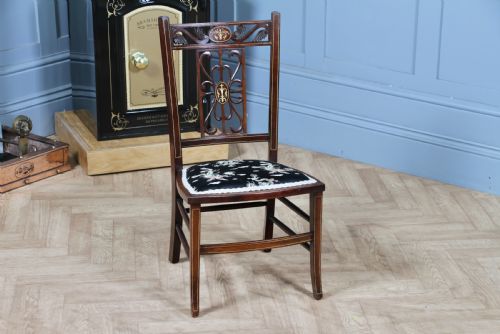

Edwardian Decorative Chair
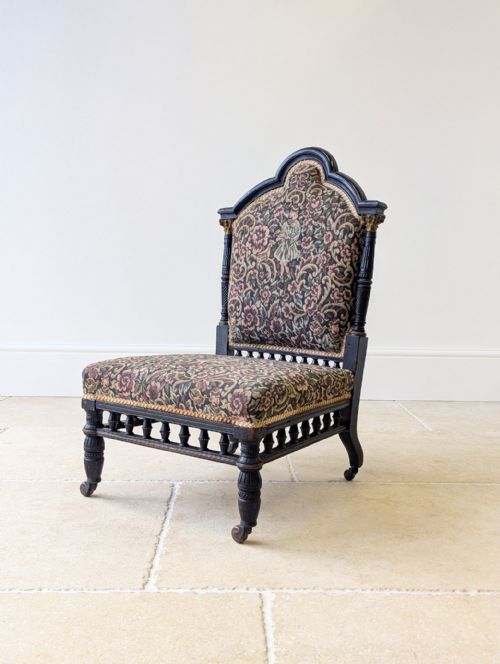
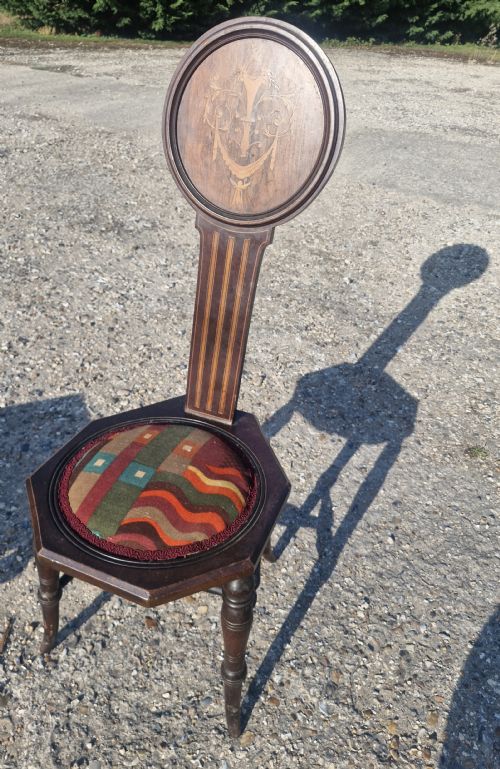
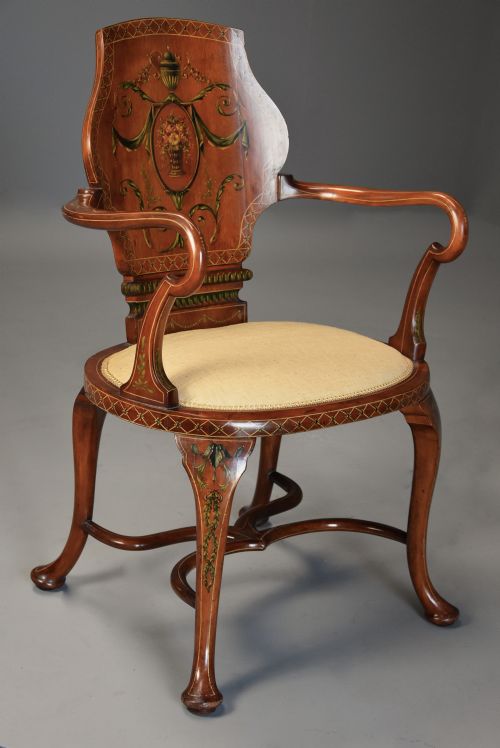
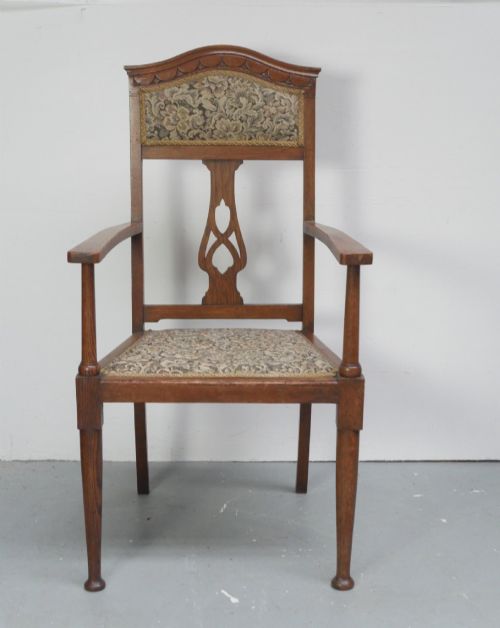
These edwardian decorative chair examples offer refined seating through inlaid timber and painted detail, bringing period character directly into a sitting room.
Edwardian Decorative Chair
The edwardian decorative chair encompasses lighter salon and desk seating designed primarily for aesthetic impact rather than heavy daily lounging. Pieces matching this description range from inlaid mahogany armchairs to painted occasional chairs spanning the late nineteenth and early twentieth centuries.
Buyers will most frequently encounter mahogany examples featuring delicate satinwood inlay or painted splat backs. These forms reflect the prevailing taste for revival styles during the Edwardian period and adjacent decades.
Alongside formal salon chairs, the selection includes specialised variants such as spinning chairs, nursing chairs, and wicker armchairs. Each type provides specific domestic utility while maintaining a distinct decorative presence.
Materials and Construction
Makers relied heavily on mahogany, walnut, and oak as the structural timber foundations for these chairs. These woods were chosen for their strength and ability to take fine carved details and contrasting veneers.
Inlay work using satinwood and other pale timbers created intricate motifs across the splats and frames. Where inlay was absent, hand-painted floral or classical decoration adorned the wooden surfaces.
Upholstery methods utilised traditional stuffing techniques covered in silk, fabric, or cane work for seat pads and back panels. Cane panels offered lightness and breathability particularly suited to bedroom and salon furniture.
Edwardian Decorative Chair Retail Price Guide 2026
Typical asking prices for edwardian decorative chair among the pieces listed under this phrase on Sellingantiques today, from the lower quarter to the upper quarter. They describe what is for sale here now, not the wider market.
Listings feature mahogany, oak, and walnut frames alongside painted and inlaid surfaces from the Edwardian and Victorian eras.
Distinctions in Quality
Quality rests significantly in the precision of the timber inlay and the crispness of any hand-painted decoration. Finer examples display tight joinery and well-defined carving that remains sharp across the wooden frame.
The integrity of the structural timber and the condition of original cane or silk upholstery influence the overall standard of the piece. Superior construction ensures the chair remains stable despite its light proportions.
Dryad & Co
The Edwardian Decorative Chair Glossary
- Inlay
- The technique of inserting pieces of contrasting wood into a recessed surface to form a pattern or picture. This method was widely used on Edwardian mahogany furniture to add visual complexity.
- Splatt
- The central vertical strip of wood in the back of a chair. Decorated splats often feature painting or pierced carving in revival styles.
- Salon chair
- A light, ornamental chair designed for entertaining guests in a reception room. These pieces prioritise visual appeal over robust daily seating.
- Cane
- Woven rattan material used for chair seats and backs. It provides a lightweight and flexible surface popular in period seating.
- Sheraton Revival
- A late nineteenth and early twentieth-century design movement inspired by the neoclassical furniture of George Sheraton. It is characterised by tapered legs, light proportions, and delicate inlay.
Edwardian Decorative Chair: Frequently Asked Questions
Where were these chairs used?
These decorative chairs were typically positioned in drawing rooms, bedrooms, and parlours where light seating was required for social gatherings or quiet reading.
Their relatively lightweight construction meant they could be easily moved around the room depending on the occasion.
How do I care for silk upholstery?
Silk and delicate fabric upholstery should be protected from direct sunlight to prevent fading and fibre degradation over time.
Gentle surface cleaning by a specialist conservator helps maintain the material without damaging the underlying structure.
Are these chairs comfortable for daily use?
Most salon and bedroom chairs from this period were built for posture and display rather than lounging for hours.
Whilst they provide adequate support for brief sitting, they suit occasional use best.
How can I distinguish Edwardian from Victorian pieces?
Edwardian seating generally exhibits lighter proportions, brighter mahogany finishes, and more restrained neoclassical revival motifs compared to heavier Victorian counterparts.
Victorian pieces often employ darker ebonised woods and denser carved decoration.