




Edwardian Decor Art
Edwardian decor art gathers oil paintings, wall art, prints, and decorative plaques shaped by the early twentieth century.
Edwardian Decor Art
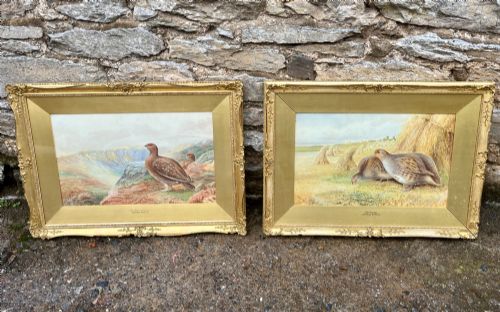
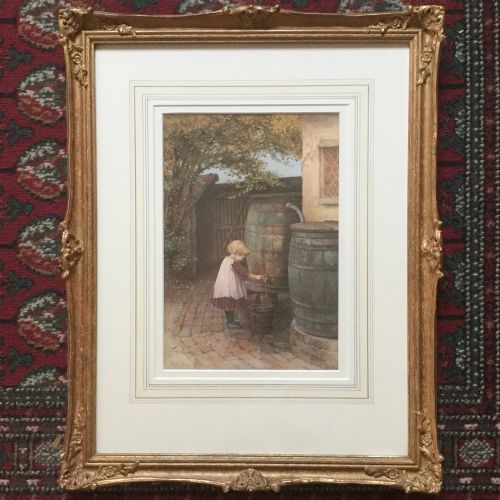
Edwardian decor art encompasses wall art, oil paintings, framed prints, and decorative plaques created during the early twentieth century. Buyers seeking this aesthetic often find pieces reflecting Victorian transition periods, Arts and Crafts ideals, and Art Nouveau styling.
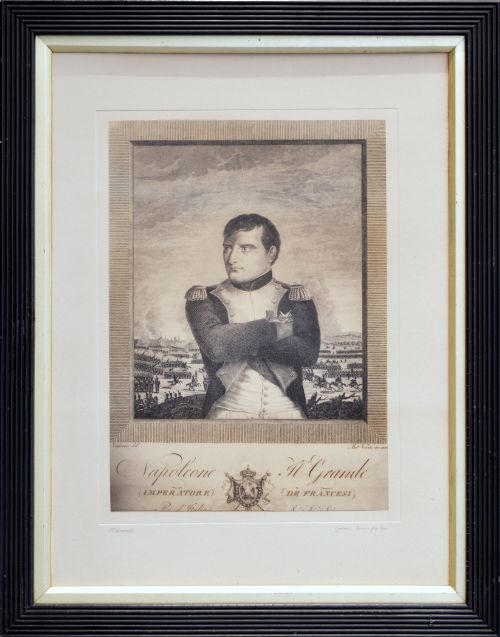
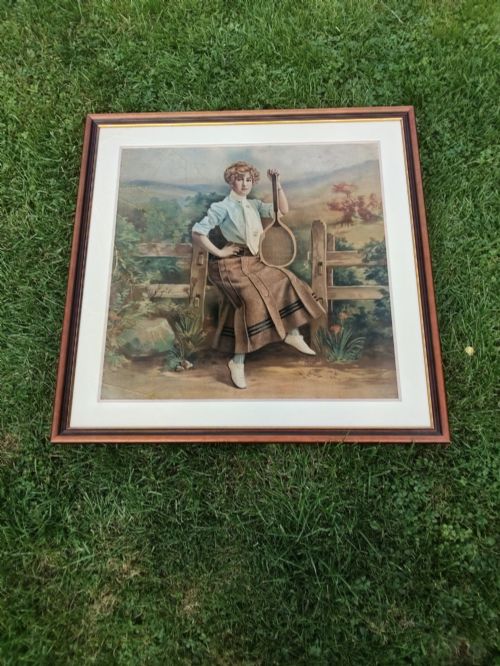
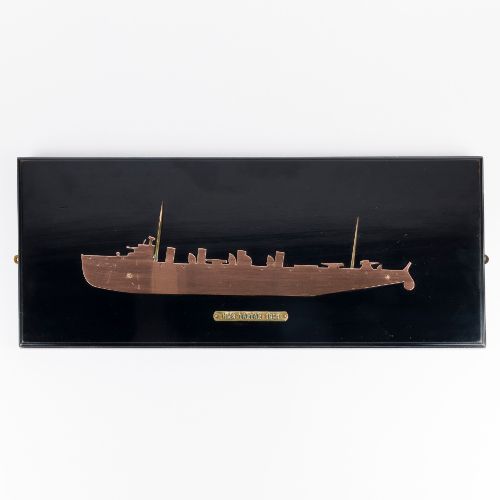
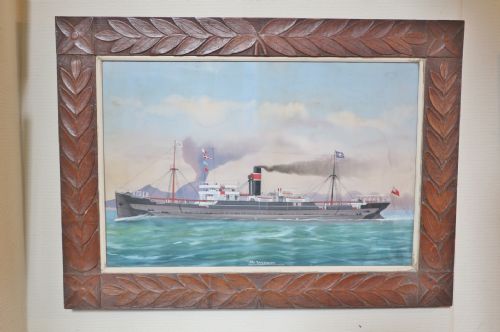
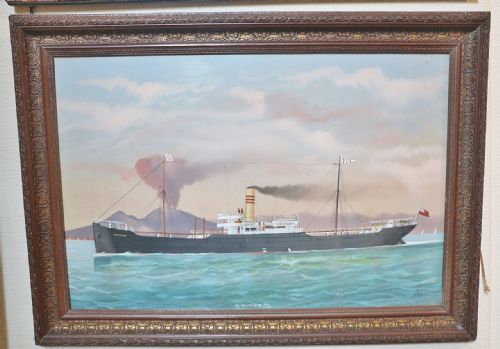
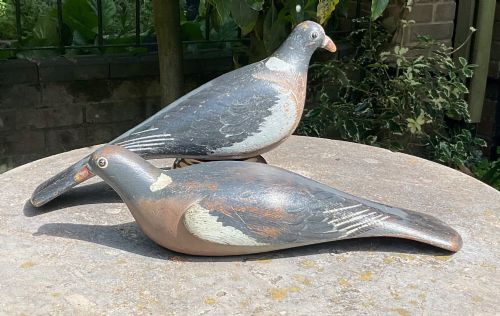
The objects span varied domestic and maritime subjects, including framed tapestries, ship portraits, and landscape oil paintings. Works from the Edwardian period sit alongside late Victorian and nineteen-twenties pieces to form a cohesive visual category.
How They Were Made
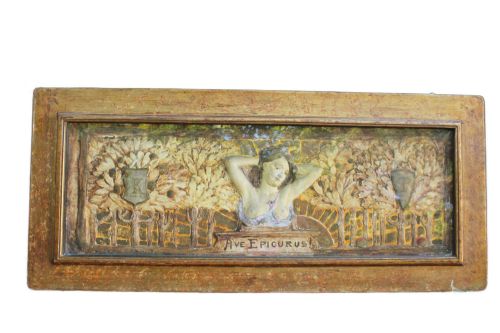
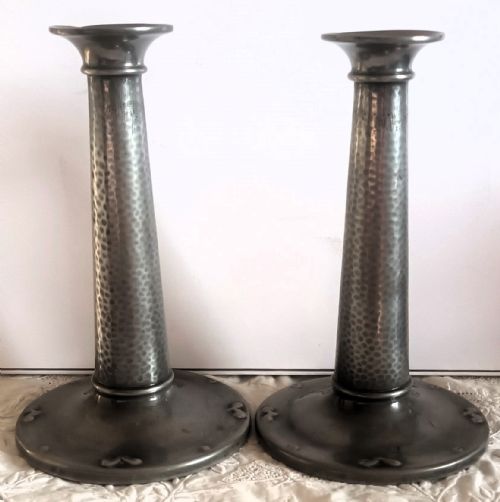
Makers utilised traditional canvas, wood, paper, and glass alongside metals such as copper, bronze, and pewter. Gesso, gold leaf, and paint frequently finished frames and relief plaques.
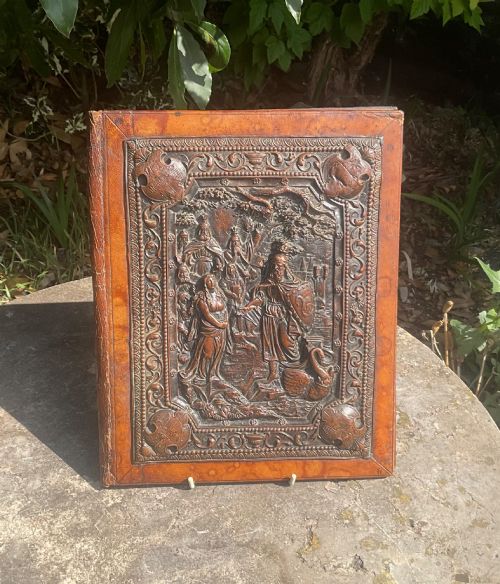
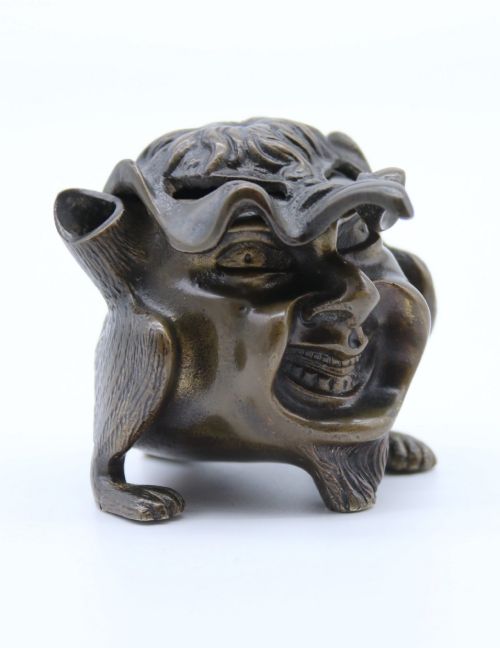
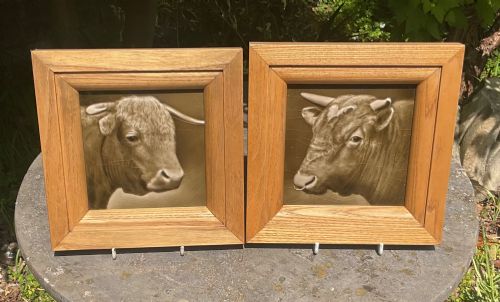
Techniques combined hand-painted oils and watercolours with lithographs, prints, and moulded plaster or stoneware. Artisans shaped metalware through casting and repoussé relief work.
Edwardian Decor Art Retail Price Guide 2026
Typical asking prices for edwardian decor art among the pieces listed under this phrase on Sellingantiques today, from the lower quarter to the upper quarter. They describe what is for sale here now, not the wider market.
Materials span canvas, paper, wood, glass, copper, pewter, and bronze alongside traditional gold leaf and gesso finishes.
What Varies in Quality
Quality rests on the precision of the initial hand execution and the integrity of the surviving materials. Original frames, patinated metals, and crisp brushwork elevate an individual piece.
Distinction also depends on the clarity of subject matter and the reputation of the artist or workshop. Sustained condition across canvas, paper, or metal surfaces dictates overall standing.
Sherwin and Cotton·Royal Doulton Lambeth·WMF
The Edwardian Decor Art Glossary
- Art Nouveau
- A style defined by organic, flowing lines and botanical motifs popular around nineteen hundred. This aesthetic heavily influenced decorative metalware and frames.
- Arts and Crafts
- A movement prioritising traditional craftsmanship and simple forms over mass production. Pieces in this style often feature hand-worked copper, pewter, or ceramics.
- Gesso
- A plaster-like mixture applied to wood surfaces as a base for paint or gold leaf. Elaborate frames frequently utilise moulded gesso for decorative relief work.
- Repoussé
- A metalworking technique where the artisan hammers metal from the reverse side to form a raised design. Copper vases and plaques often display this method.
Edwardian Decor Art: Frequently Asked Questions
What defines Edwardian decor art?
Edwardian decor art includes oil paintings, prints, and decorative objects produced around the early twentieth century. The aesthetic bridges late Victorian tastes and the arrival of Art Nouveau and Arts and Crafts movements.
Works often feature domestic scenes, landscapes, and maritime subjects framed in wood or gilt gesso. The materials reflect period preferences for canvas, copper, pewter, and paper.
How do I identify an Edwardian painting?
Identifying an Edwardian painting involves examining the subject matter, framing, and signature styles typical of the nineteen hundreds. Many pieces capture pastoral scenes, portraits, and maritime history.
Support materials such as canvas, walnut frames, and period glass provide further clues to the date of creation. Comparing the brushwork to documented artists of the era helps confirm attribution.
Where were these decorative pieces displayed?
Original pieces were typically hung in domestic reception rooms, studies, and hallways of Edwardian homes. Framed artwork, wall plaques, and copper vessels added texture and colour to interior spaces.
Larger items like framed tapestries and ship paintings served as central focal points above mantelpieces. Smaller decorative items accented tables and sideboards.
How do I care for antique frames and art?
Caring for antique artwork requires stable indoor humidity and protection from direct sunlight to preserve paint and paper. Dusting frames with a soft, dry cloth prevents grime accumulation without damaging fragile gesso.
Avoid using liquid cleaners on exposed canvas or gilt surfaces. Professional framing with conservation glass protects delicate watercolours and prints over time.