

Edwardian Decanter
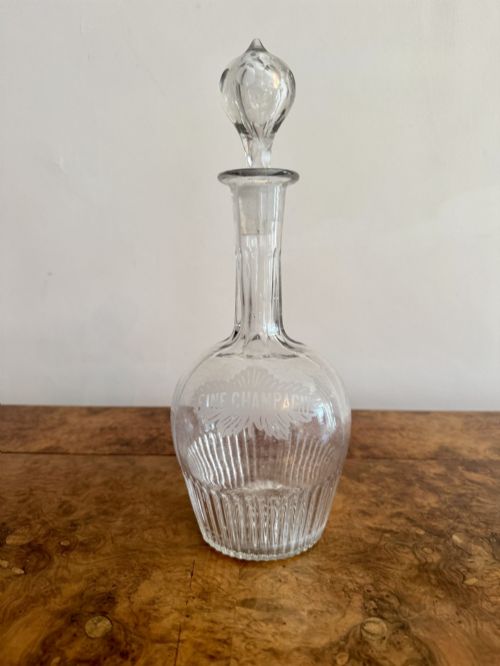
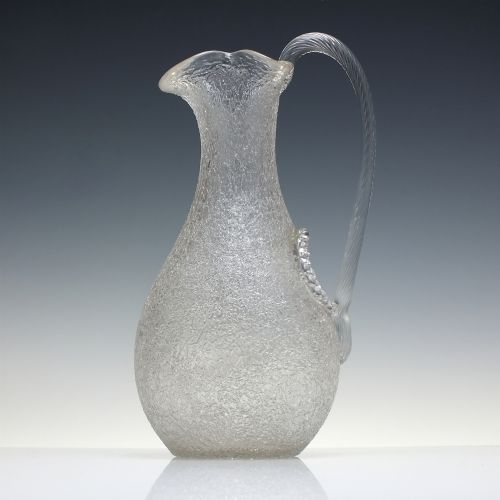
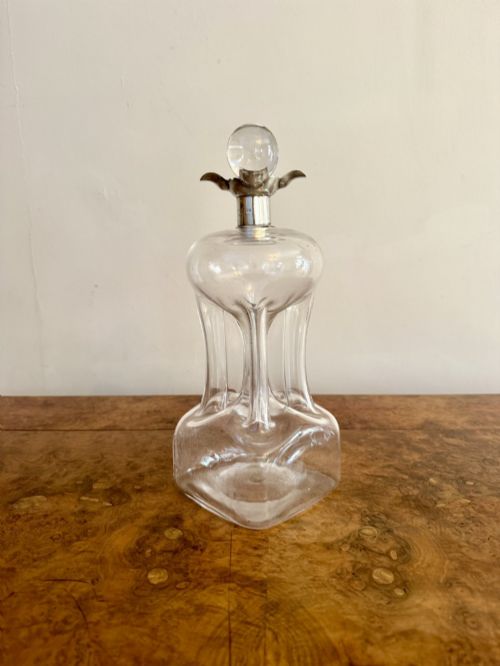
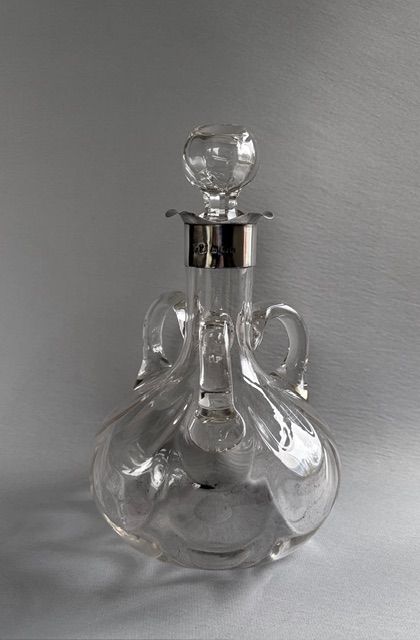
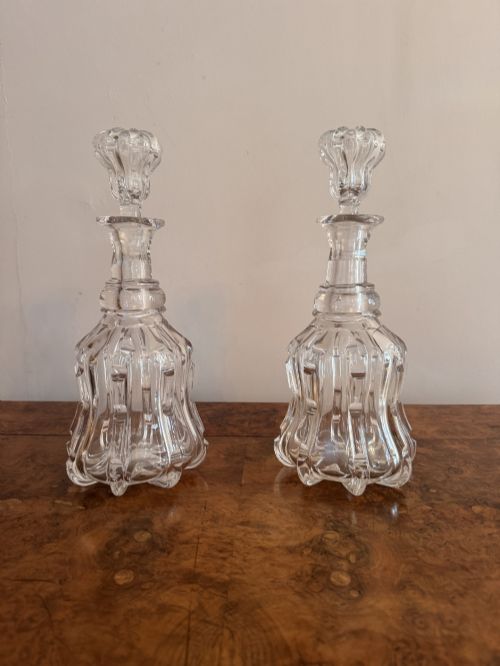
An edwardian decanter brings heavy cut crystal, ruby glass and gleaming silver mounts together on the dining table.
Edwardian Decanter
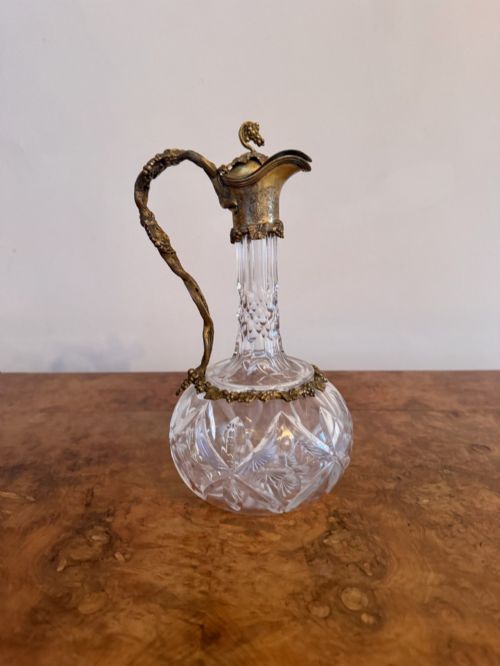
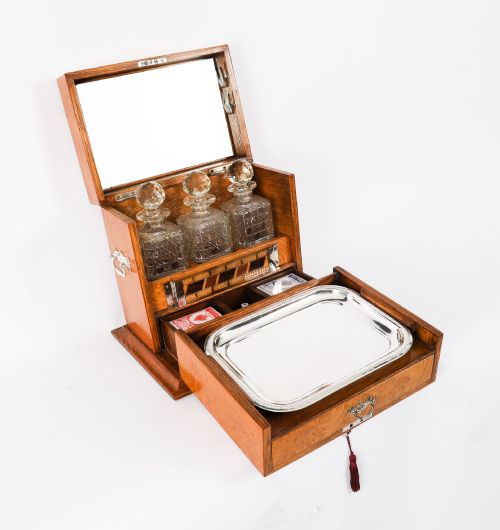
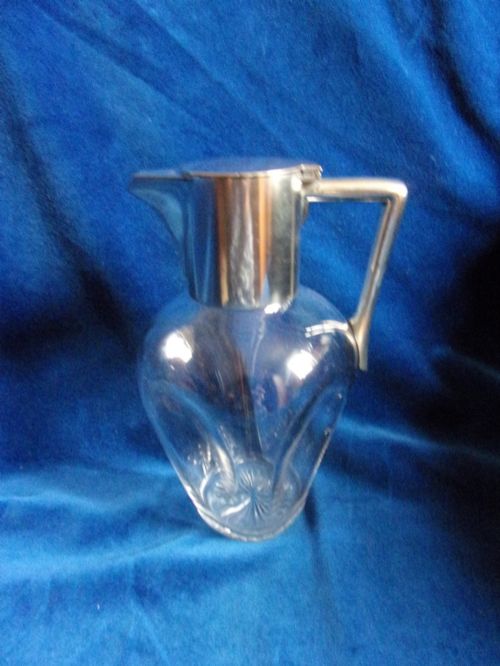
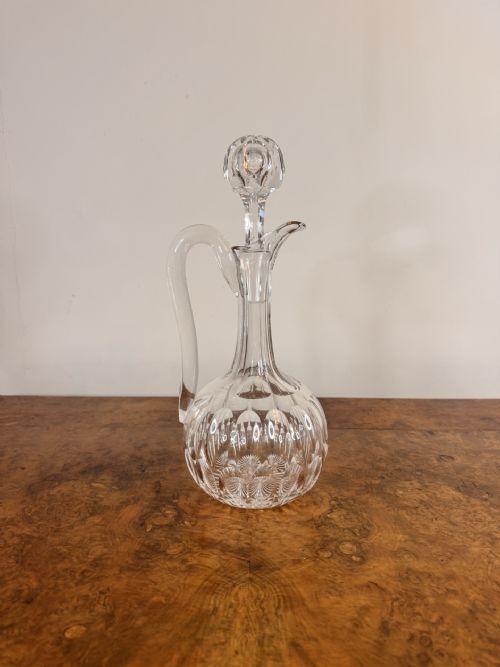
An edwardian decanter encompasses standard wine vessels, claret jugs, whisky noggins and heavy tantalus sets designed for the Victorian and early twentieth century home. You will most frequently encounter square section cut crystal bottles alongside glass jugs fitted with silver plated tops or sterling mounts.
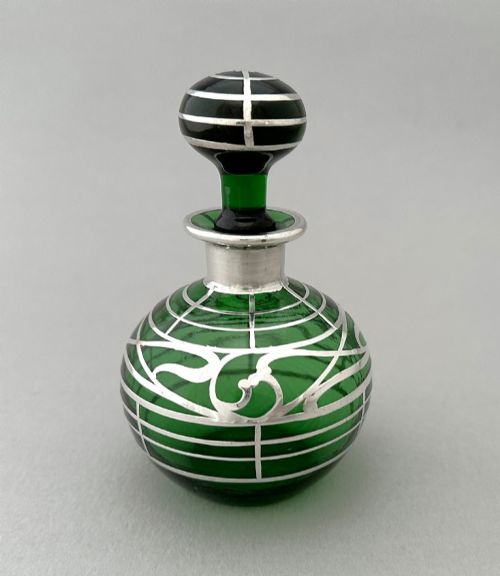
The materials span clear lead crystal, ruby glass and yellow glass paired with figured oak, blond oak, coromandel and satin wood. Styles reach across Edwardian, George V, Arts and Crafts and Art Nouveau periods, often featuring silver overlay or novelty silver plating.
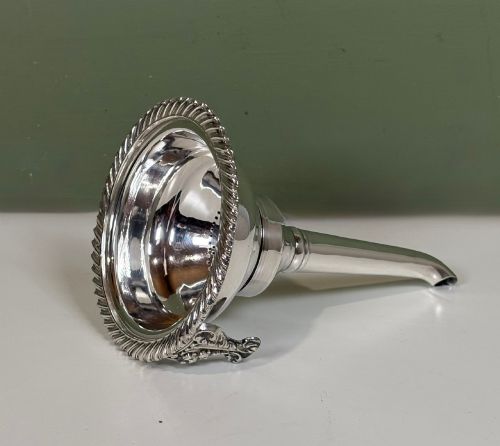
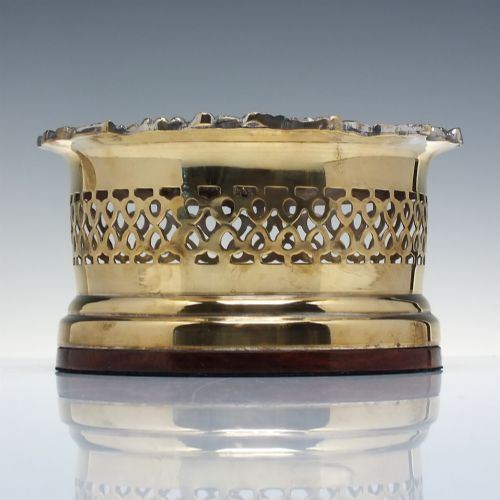
Beyond standalone bottles, related barware includes wine coasters, scent bottles, cologne bottles and complete games compendiums housing multiple crystal decanters. These pieces served practical dining and entertaining roles in domestic settings.
Materials and Craftsmanship
Glass bodies were formed through blowing and heavy cutting, creating deep facets and geometric patterns across crystal and coloured glass surfaces. Makers utilised lead crystal to achieve clarity and weight in the finished vessel.
Metalwork components combine sterling silver and silver plate, shaped into collars, mounts, handles and hinged tops. Oak, coromandel and satin wood provided sturdy frames for tantalus units and bottle coasters, frequently inlaid or polished.
Edwardian Decanter Retail Price Guide 2026
Typical asking prices for edwardian decanter among the pieces listed under this phrase on Sellingantiques today, from the lower quarter to the upper quarter. They describe what is for sale here now, not the wider market.
Materials documented across the inventory include cut glass, lead crystal, sterling silver, silver plate, oak, coromandel and satin wood.
Assessing Quality and Execution
Depth and precision of the glass cutting separate standard vessels from finer examples, alongside the clarity and weight of the crystal itself. Thick, resonant glass indicates superior material choice by the glasshouse.
The weight, hallmarks and casting detail of the silver mounts and silver plated hardware define the calibre of the piece. Substantial metal collars and secure, well-fitted hinges demonstrate attentive manufacturing.
George May·William Comyns·Stevens and Williams·Gorham·Betjemann·Brook and Son
The Edwardian Decanter Glossary
- Decanter
- A vessel used for holding and serving wine or spirits. These pieces often feature glass stoppers and decorated necks.
- Tantalus
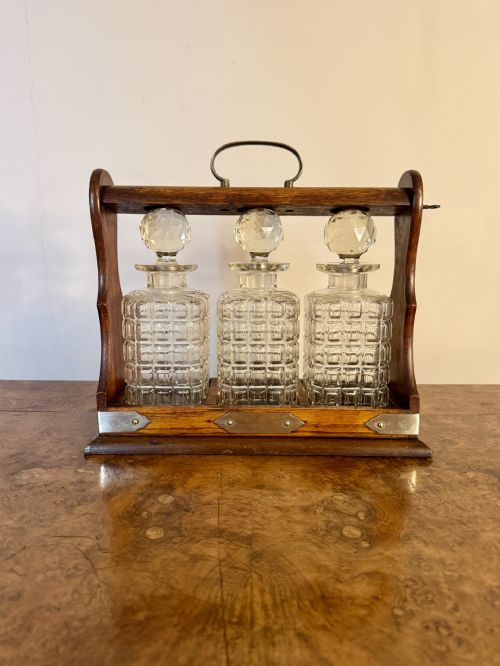
- A locked cabinet holding three decanters that prevents guests from pouring drinks without a key. The wooden frame typically incorporates silver plated or sterling mounts.
- Claret jug
- A pitcher specifically designed for serving red wine. They combine glass or crystal bodies with hinged silver or silver plated tops.
- Whisky noggin
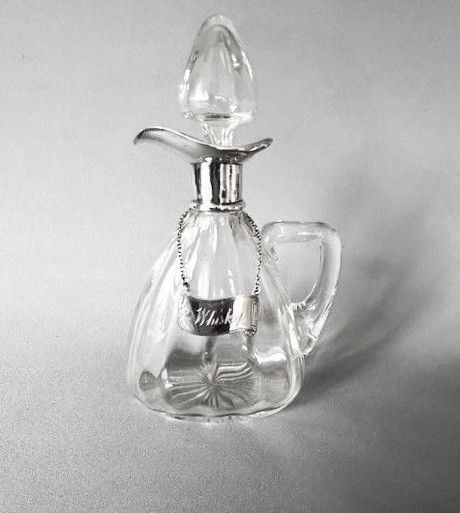
- A small decanter used for individual portions of spirits. These often include a mounted sterling silver lip and a matching silver tot label.
- Sterling silver
- An alloy containing silver and other metals to ensure durability for functional mounts and collars. Hallmarks stamped into the metal indicate the assay office and date.
Edwardian Decanter: Frequently Asked Questions
How do you clean an old decanter safely?
Warm water and specialised cleaning beads remove residue without scratching the interior glass. Avoid harsh scrubbing brushes that might damage the surface.
Dry the bottle thoroughly upside down before returning the stopper. Leaving stoppers firmly in damp vessels can cause them to stick permanently.
What is a tantalus and how does it work?
A tantalus secures multiple glass decanters within a wooden frame fitted with a metal locking bar. This mechanism prevents removal of the bottles while still displaying the contents.
Keys operated the lock to release the bar during gatherings. Oak and coromandel were standard woods used for these locking barware sets.
How do you date an Edwardian decanter?
Silver mounts frequently bear hallmarks indicating the specific assay office and year of manufacture. Stylistic markers like Art Nouveau curves or Arts and Crafts simplicity also help narrow the production era.
Cut glass patterns evolved from Victorian deep hobnail designs towards cleaner Edwardian geometric facets. Comparing the stopper fit and base wear provides further chronological context.
Can these decanters still hold wine and spirits?
Solid glass and crystal bodies remain entirely functional for holding beverages today. Ensure the glass interior is pristine and free from sediment before filling.
Silver plated or sterling collars require gentle hand washing to protect the metal. Avoid letting acidic liquids sit in unlined metal mounts for extended periods.