




Edwardian Daisy Cluster Ring
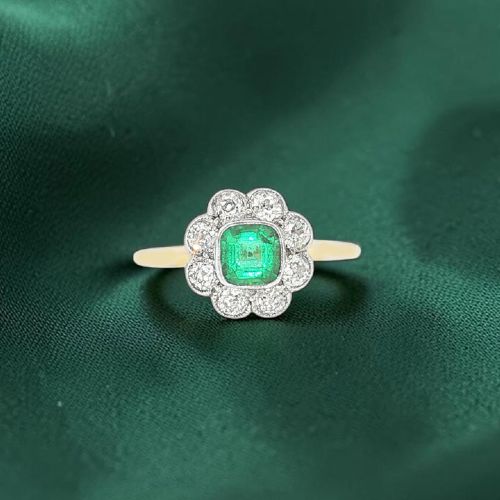
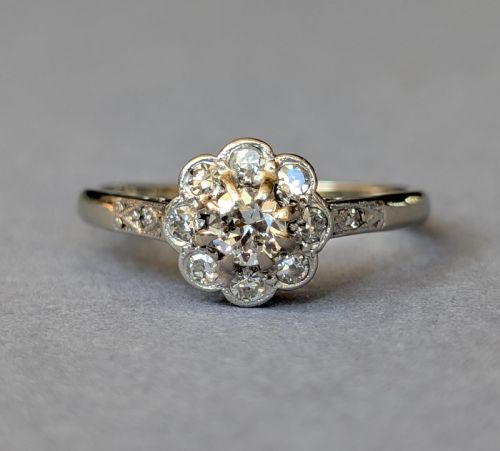
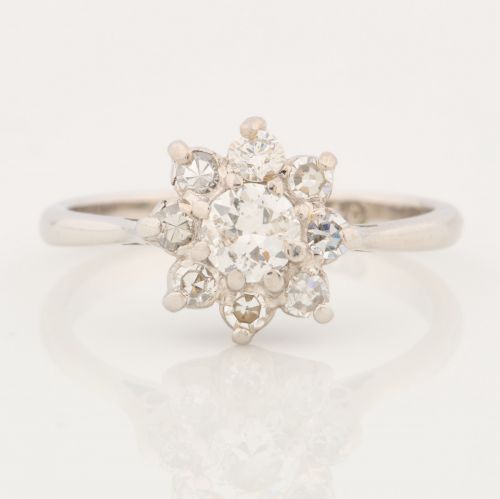
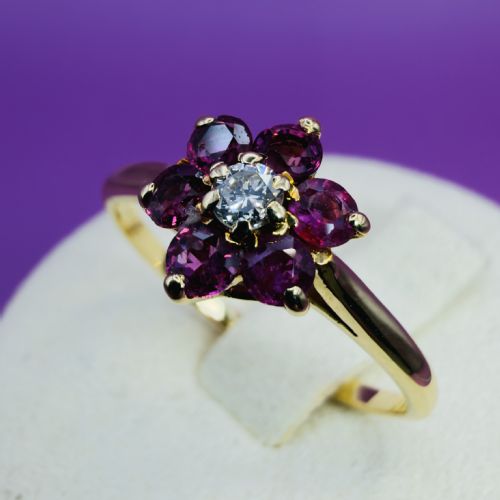
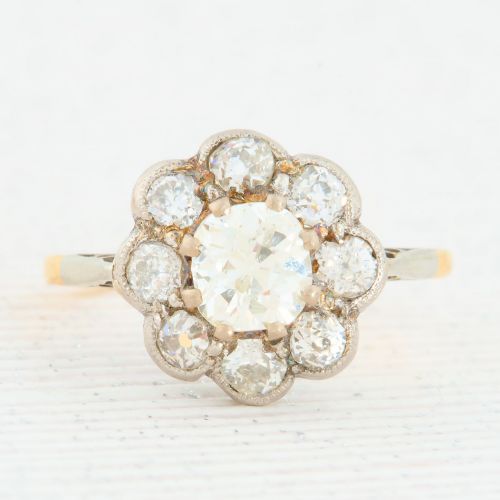
An edwardian daisy cluster ring presents a central gem surrounded by a petal formation of smaller stones, capturing early twentieth-century elegance.
Edwardian Daisy Cluster Ring
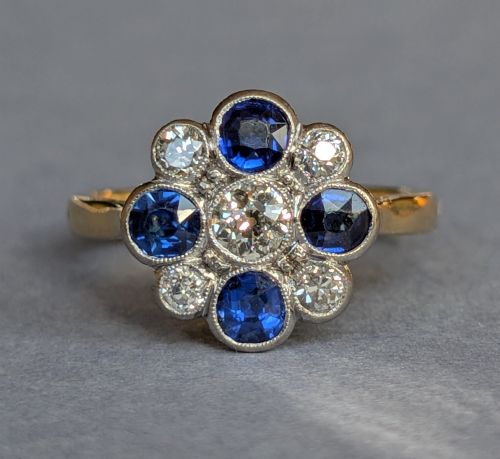
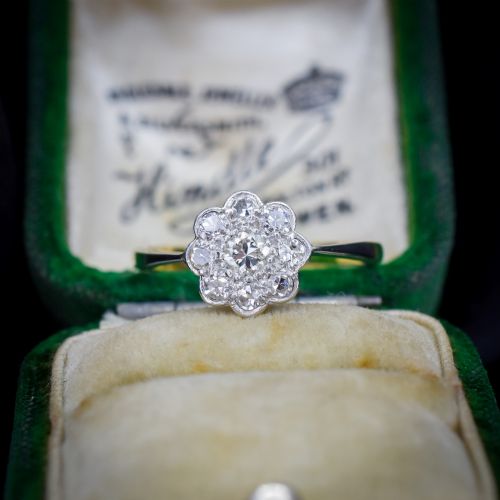
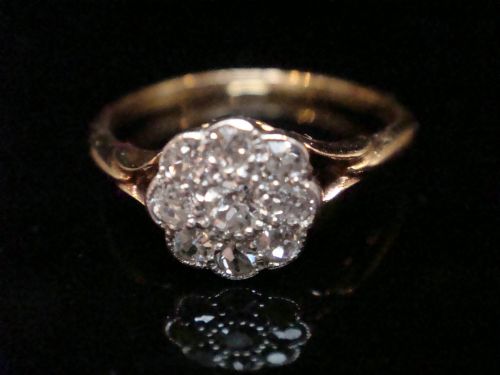
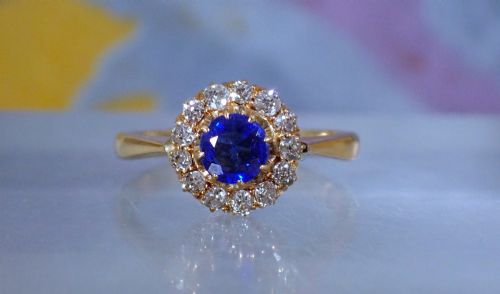
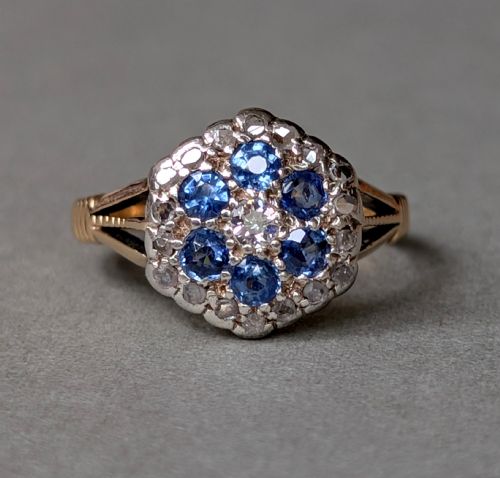
The pieces appearing here stem primarily from the Edwardian period and the 1920s Art Deco transition. Diamond variants dominate the selection, accompanied by sapphires, emeralds, rubies, pearls, green tourmalines, and double or triple daisyhead configurations.
How they were made
Maker's hands combined 18ct gold bands with platinum settings to mount old cut, cushion cut, and eight-cut diamonds alongside coloured gemstones. Platinum usage allowed delicate claw and millegrain retention while maintaining structural strength.
The metalwork balanced yellow or white 18ct gold shanks with bright white platinum tops to maximise the reflection of light through the stones.
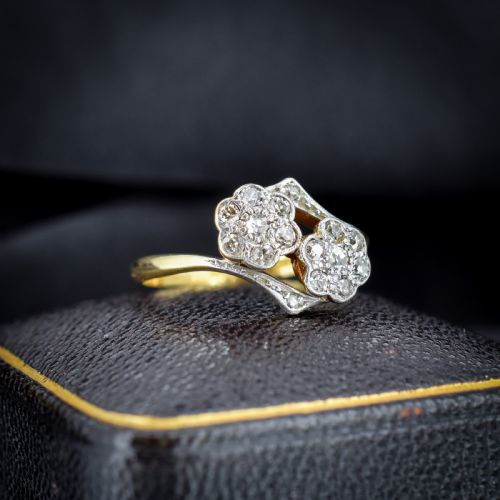
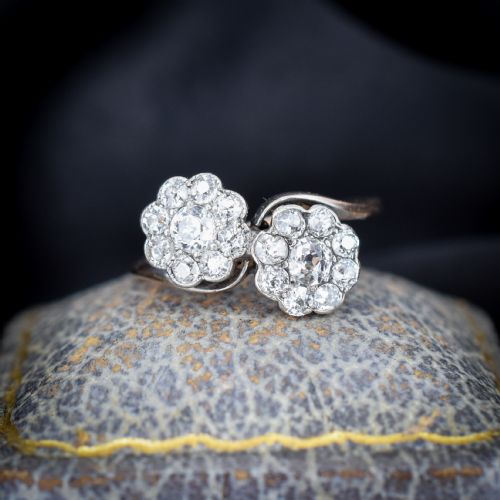
Some past pieces squeezed two or three daisy heads onto a single band for those who preferred a double dose of floral geometry.
What varies in quality
Quality rests in the proportions of the central stone relative to the surrounding petal gems, alongside the fineness of the platinum claw work and millegrain detailing. Coarser examples display heavier metal distribution and less uniform stone arrangement.
The presence of high-carat total weights, vibrant coloured gemstones such as Colombian emeralds or deep sapphires, and intact double daisy configurations elevate individual pieces above standard single-cluster variants.
The Edwardian Daisy Cluster Ring Glossary
- Daisy cluster
- A ring design featuring a central stone encircled by a ring of smaller gems, resembling a flower petal arrangement. This configuration was immensely popular during the early twentieth century.
- Old cut
- A vintage diamond facet style characterised by a high crown, small table, and deep pavilion that produces a soft, candlelit sparkle. These stones were cut by hand before modern optical standards.
- Millegrain
- A decorative jewellery technique involving a thin line of tiny beaded metal beads along the edge of a setting. It imparts a delicate, textured finish typical of Edwardian craftsmanship.
- Platinum
- A dense, white precious metal utilised during the Edwardian era to securely hold gemstones with minimal visible metal. Its strength permitted exceptionally fine wirework and claw settings.
- Double daisy
- A cluster variation incorporating two floral flower-head motifs linked along the finger. This rarer configuration expands the horizontal presence of the piece.
Edwardian Daisy Cluster Ring: Frequently Asked Questions
Can I wear an edwardian daisy cluster ring daily?
These pieces tolerate everyday wear provided the platinum settings and 18ct gold bands receive periodic checks from a jeweller. Removing the ring during heavy manual tasks preserves the delicate millegrain and claw work.
Gentle cleaning with warm soapy water and a soft brush maintains the sparkle of the diamonds and coloured stones without harming the antique metal.
How do I identify an edwardian ring?
Examination of the metal combination typically reveals white platinum fused over yellow or white 18ct gold. The presence of hand-cut stones like old cuts or eight-cuts further points to the early twentieth century.
Stylistic cues include symmetrical floral layouts, pierced gallery work, and fine millegrain borders rather than the geometric abstraction of later decades.
What stones accompany diamonds in these rings?
Sapphires, rubies, emeralds, pearls, and green tourmalines frequently serve as the central or accent stones in these floral clusters. Blue sapphires and deep rubies provide high contrast against surrounding diamond petals.
Coloured gemstones from this era often exhibit distinct natural inclusions that distinguish them from modern synthetics.
Are these rings suitable for engagements?
The floral silhouette and historical charm make these clusters traditional choices for modern engagements. Their low profile sits comfortably alongside wedding bands.
Individual character ensures no two proposal rings share identical proportions or hand-cut gemstone facets.