

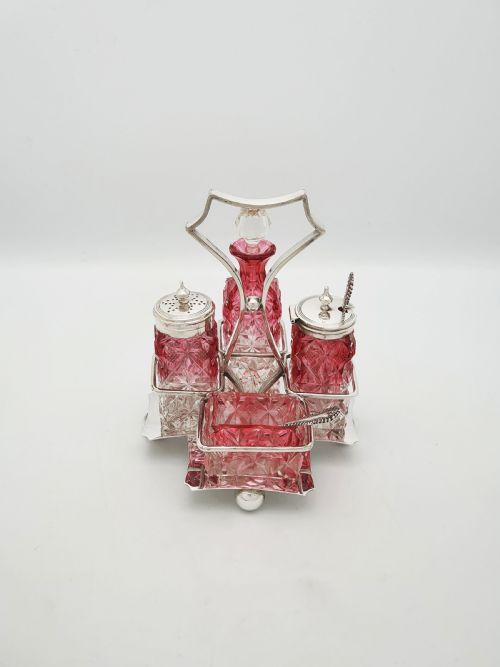


Edwardian Cut Glass Caddy
An edwardian cut glass caddy brings brilliant refraction and solid silver or plate to the table, offering a refined vessel for preserves, biscuits, or tea.
Edwardian Cut Glass Caddy
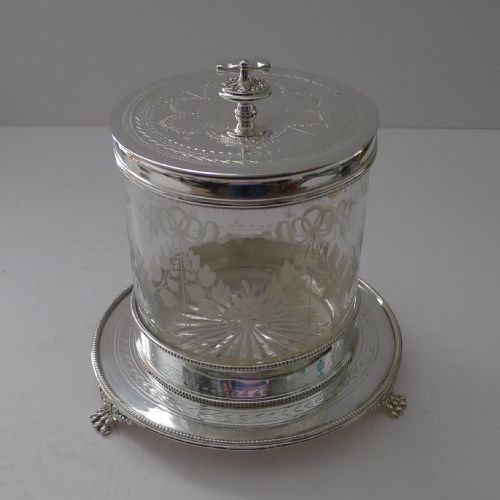
The edwardian cut glass caddy is a tabletop container designed for storing provisions like biscuits, tea leaves, or preserves within a polished glass body. These pieces typically combine heavy moulded or wheel-cut glass with mounts of sterling silver or silver plate, reflecting the domestic elegance of the early twentieth century.
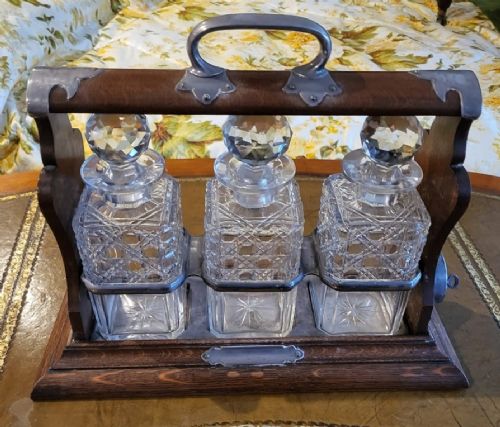
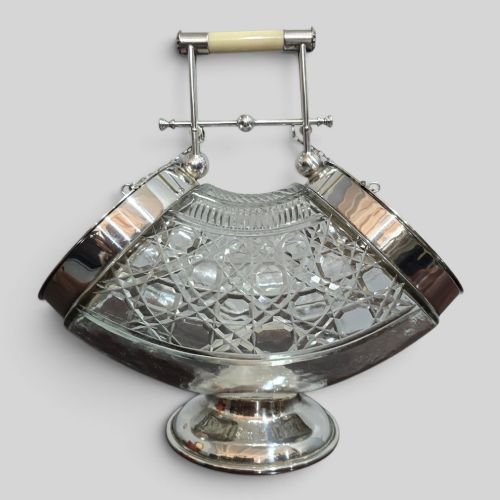
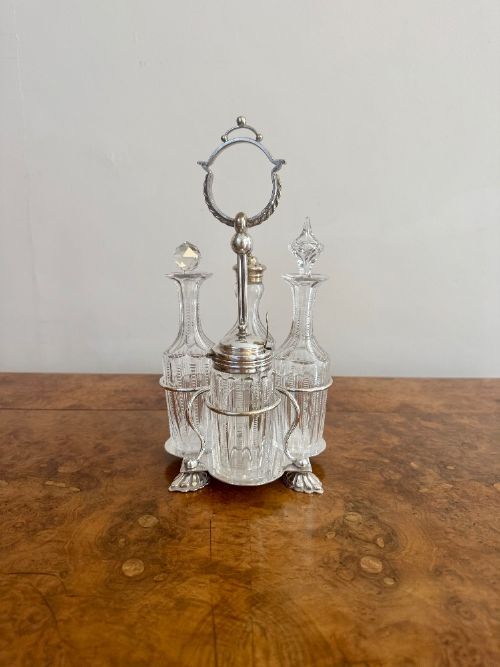
While the phrase points specifically to caddies, the broader record shows closely related tablewares from the Edwardian era, including biscuit barrels, cruet sets, and tantalus frames. Buyers searching this phrase most frequently encounter lidded glass jars fitted with swing handles and metal rims, designed to sit prominently on sideboards or tea tables.
What varies in quality
Quality rests in the crispness of the glass cutting and the thickness of the metal plating or silver used for the mounts and handle. Deeper, sharper facets and heavier silver plating distinguish finer examples from simpler, lighter production pieces.
The tightness of the fit between the glass body and its metal collar also separates better work from standard manufacturing. Solid hinge action on the lid and substantial gauge metal indicate superior craftsmanship.
Edwardian Cut Glass Caddy Retail Price Guide 2026
Typical asking prices for edwardian cut glass caddy among the pieces listed under this phrase on Sellingantiques today, from the lower quarter to the upper quarter. They describe what is for sale here now, not the wider market.
Some automated biscuit boxes of the era pop open their lids with a clever spring mechanism when pressed, ready to tempt visitors with a snack.
The Edwardian Cut Glass Caddy Glossary
- Cut glass
- Glass decorated by grinding facets and patterns into the surface using rotating wheels. This technique creates sharp geometric light refraction.
- Biscuit barrel
- A lidded container used for storing biscuits or dry goods on the dining table. They frequently feature silver-plated mounts and swing handles.
- Silver plate
- A layer of silver fused to a base metal core such as copper or nickel brass. This method provided the appearance of solid silver at a lower cost.
- Hobnail cut
- A raised, pointed diamond pattern carved into glass resembling the hobnails on sturdy boots. It produces intense sparkle when rotated in the light.
- Tantalus
- A wooden or metal locking frame designed to secure decanters while allowing their contents to be seen. The mechanism prevents unauthorised access to the bottles.
Edwardian Cut Glass Caddy: Frequently Asked Questions
What is an Edwardian cut glass caddy used for?
These caddies served primarily to hold biscuits, dry tea, or preserves on the dining table or sideboard. The lidded glass body kept contents fresh while displaying them attractively to guests.
In period households, they formed part of the routine for afternoon tea or after-dinner hospitality. The swing handle allowed servants or hosts to carry the container easily between rooms.
Are these caddies made of real silver?
Many Edwardian table pieces utilise silver plate over a base metal rather than solid sterling silver. Makers stamped hallmarks on pieces containing solid precious metal.
Silver-plated versions offer the same visual brightness and decorative appeal as solid silver items. Over decades of gentle use, the underlying base metal may occasionally show through the thinnest areas of plating.
How can I tell an Edwardian caddy from a Victorian one?
Edwardian pieces often display lighter mounts and simpler geometric cutting compared to the heavier, more ornate styles of the Victorian era. The period generally favoured refined shapes influenced by early twentieth-century taste.
Exact dating relies on hallmarks stamped onto the silver mounts or stylistic clues in the oak frames and brass fittings. Overlapping design traditions mean late Victorian and Edwardian items frequently share similar aesthetic traits.