



Edwardian Crystal Table Lamp
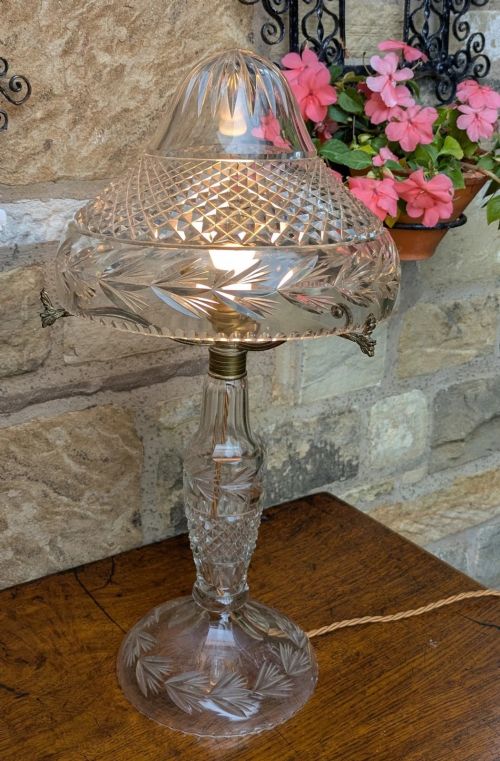
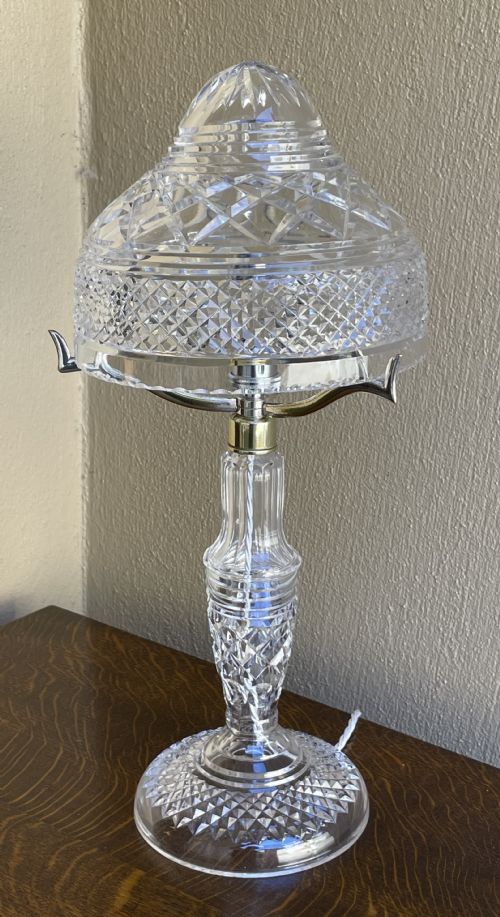
An edwardian crystal table lamp brings weight and steady illumination to a room, combining cut glass with substantial metal mounts.
Edwardian Crystal Table Lamp
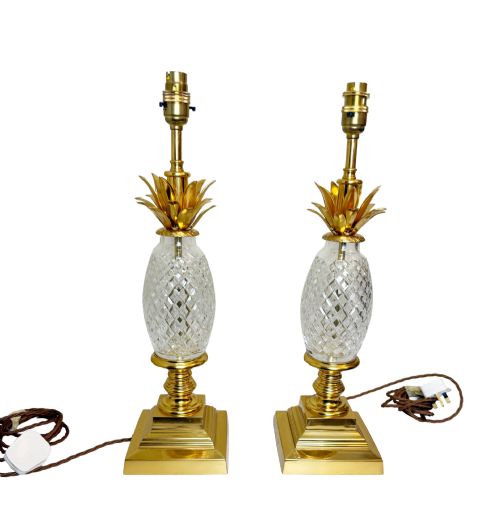
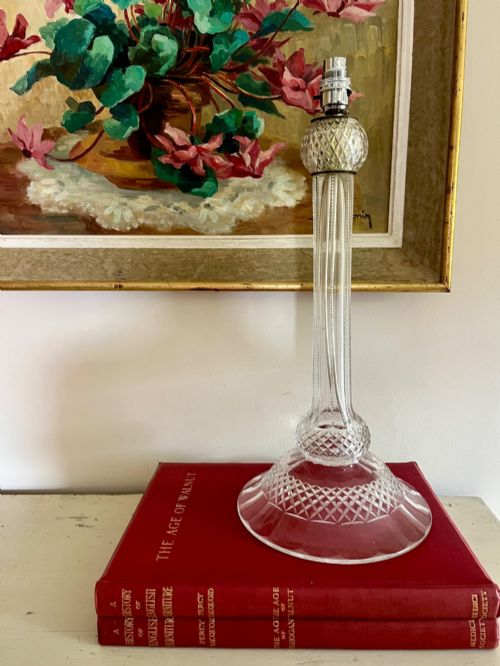
The edwardian crystal table lamp sits firmly in the early twentieth century, drawing on Edwardian, Victorian, and French Belle Epoque styles. Buyers find table lamps, oil lamps, and candlesticks fashioned from cut crystal and glass, often paired with brass or gilt bronze.
Pieces span from the late nineteenth century through to the 1930s, encompassing Late Victorian, Edwardian Neoclassical, and Art Deco designs. The most common form on this page pairs a cut crystal body with a brass or electroplate mount, reflecting the dominant materials of the period.
How they were made
These lamps rely on cut crystal, cut glass, and lead crystal, shaped with deep facets that catch the light. Workshops combined these glass elements with cast brass, gilt bronze, and electroplate mounts to form sturdy bases.
Decoration extended to enamel work and gilt detailing upon pink glass, alongside patented designs such as Cricklite glass candlesticks. Metal components were turned and cast to support heavy glass shafts and fonts.
Recorded periods range from Victorian and 1870 through to Art Deco and 1930.
What varies in quality
Quality rests on the crispness of the glass cutting and the weight of the metal mounts. Sharp, deep facets in lead crystal create sharper refractions than soft, pressed glass.
The integration of the brass or gilt bronze fittings dictates the balance and presence of the piece. Substantial metalwork securely anchors heavy crystal sections without wobbling.
Osler
The Edwardian Crystal Table Lamp Glossary
- Cut crystal
- Glass with a high lead content that has been laboriously ground and polished on a wheel. This process produces sharp facets that maximise light refraction.
- Gilt bronze
- Bronze that has been coated with a thin layer of gold or gold-coloured alloy. It provides a warm, durable finish for decorative mounts.
- Electroplate
- A metal object coated with a thin layer of silver or another metal through an electrolytic process. This technique became widespread for mounts and hardware.
- Cricklite
- A proprietary brand of glass candlesticks and shade systems often associated with Clarke's patent. These items were designed to hold specific miniature oil or wax lights safely.
- Corinthian column
- A classical architectural order featuring ornate capitals decorated with acanthus leaves. This motif frequently inspired the form of metal and crystal lamp standards.
Edwardian Crystal Table Lamp: Frequently Asked Questions
How do I wire an antique crystal lamp?
Most antique lamps require modern rewiring to meet current safety standards. A qualified electrician can thread modern cord through the central channel without altering the historical metal or crystal components.
Retaining the original switch or incorporating a period-appropriate plug helps preserve the character of the piece while ensuring safe daily use.
Were these originally oil lamps?
Several examples on this page began life as oil lamps or candlesticks before undergoing conversion to electricity. This adaptation was common as homes transitioned to electric lighting during the early twentieth century.
Converted pieces often retain their original burners or font sections, which adds historical depth to the finished table lamp.
How do I clean cut crystal?
Gentle washing in lukewarm water with mild soap keeps cut crystal clear and bright. Harsh chemicals and abrasive cloths should be avoided to protect both the glass surface and any metal mounts.
Lamps with brass or gilt bronze elements require careful handling to prevent moisture from reaching vulnerable joints or old wiring channels.
How can I tell Edwardian from Victorian lamps?
Victorian pieces often lean towards heavier ornamentation and rich, coloured glass, while Edwardian designs favour lighter Neoclassical proportions and brighter cut crystal. Stylistic markers like Corinthian columns point firmly to the Edwardian penchant for classical revival.
Overlaps occur because production styles evolved gradually from the late nineteenth century into the reign of Edward VII.