



Edwardian Counter
An edwardian counter brings commercial utility and solid timber construction into domestic spaces, offering practical display surfaces and hidden storage.
Edwardian Counter
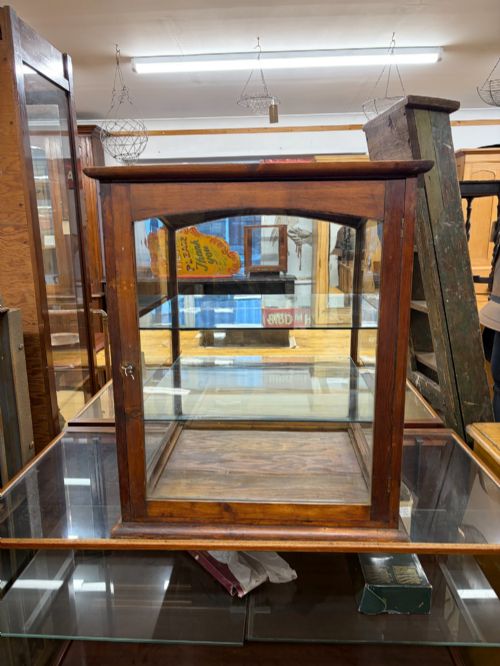
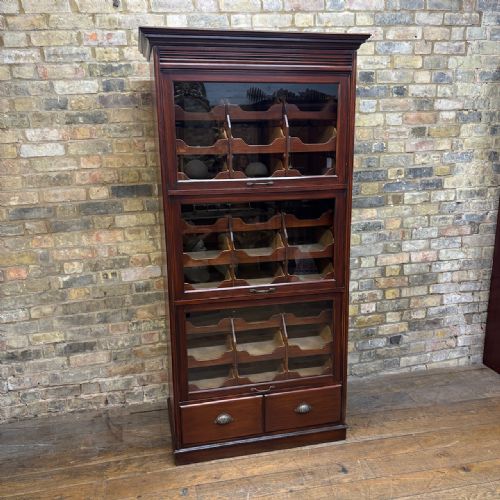
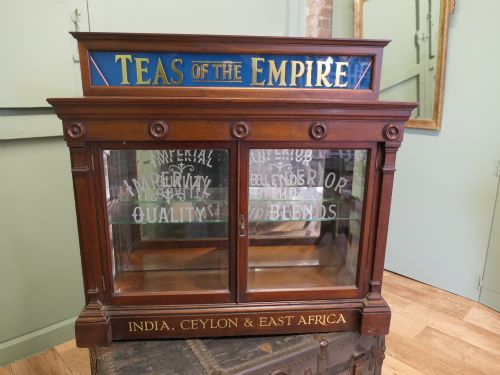
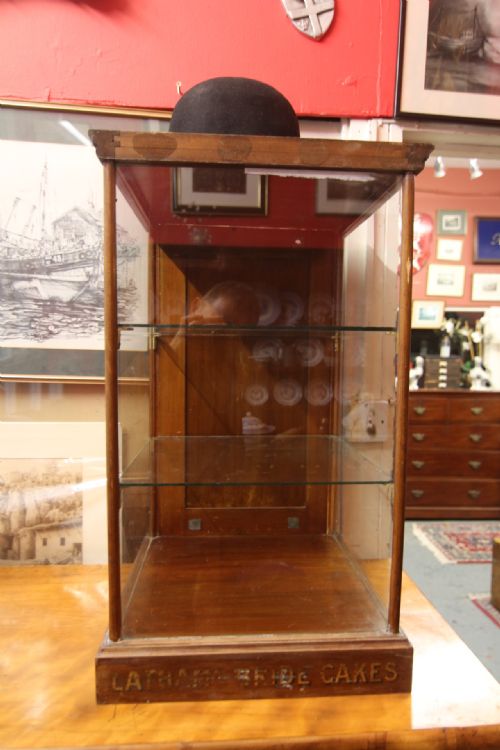
When you search for an edwardian counter, you examine commercial shop fittings and heavy utility tables designed for trade use at the turn of the twentieth century. These fixtures span traditional retail displays, apothecary units, and large prep surfaces built to withstand daily service.
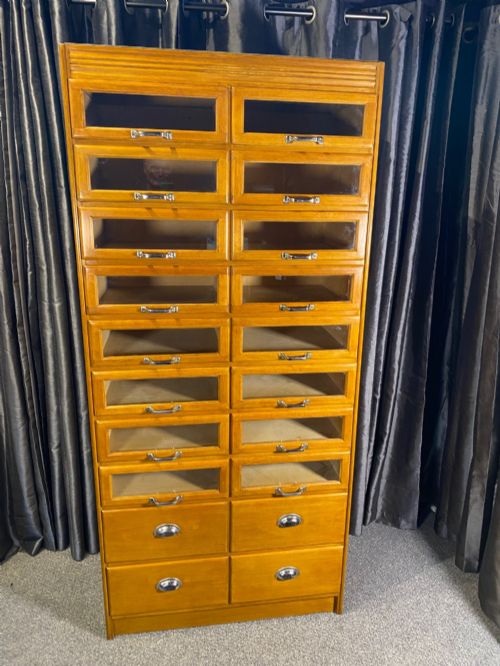
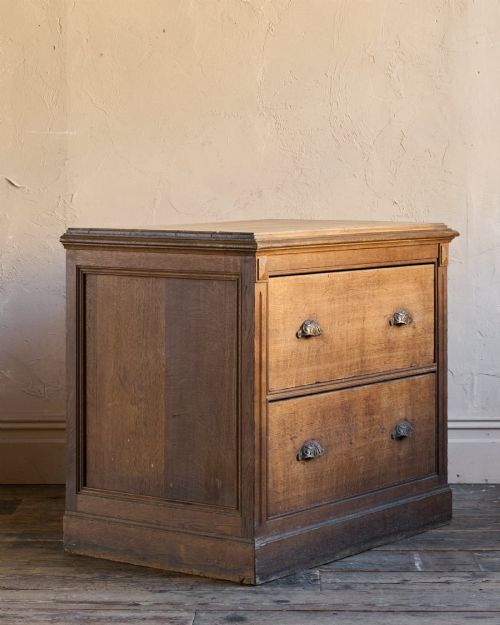
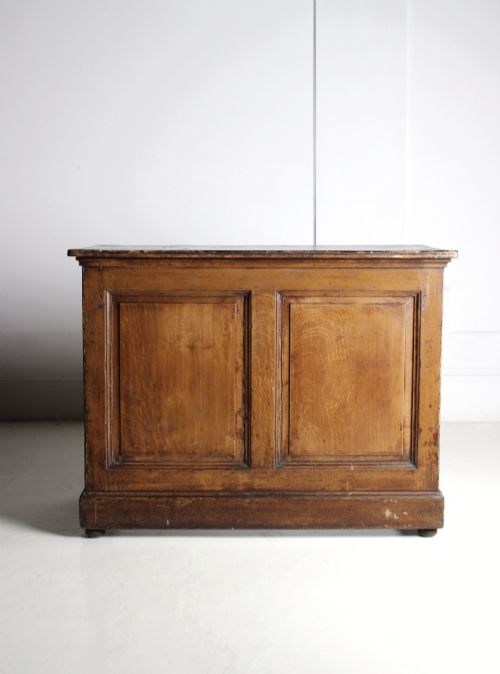
The most common examples on this page utilise durable hardwoods or painted pine, featuring glazed display sections, panelled fronts, or robust working surfaces. They originate from periods ranging from the late nineteenth century through to the interwar decades, reflecting the practical demands of grocers, drapers, and merchants.
Materials and construction
Makers relied primarily on solid oak, mahogany, and pine to build these heavy commercial units, often combining glazed upper display cases with panelled wooden bases. Brass fittings, cast iron brackets, and mirrored interiors appeared frequently to enhance both durability and product visibility in retail environments.
Surface finishes involved traditional hand-painting, faux-grain effects such as simulated oak, and polished timber clear coats designed to endure constant handling. Joinery remained strictly utilitarian, utilising robust tongue-and-groove panels and structural framing to support heavy stock.
Edwardian Counter Retail Price Guide 2026
Typical asking prices for edwardian counter among the pieces listed under this phrase on Sellingantiques today, from the lower quarter to the upper quarter. They describe what is for sale here now, not the wider market.
Listings feature items constructed from oak, mahogany, pine, brass, cast iron, and glass across the Victorian, Edwardian, and 1920s periods.
Distinctions in quality
Quality depends on the integrity of the original timber framing, the condition of glazed panels, and the retention of maker's brass plaques or stamp marks. Pieces constructed from solid mahogany or quarter-sawn oak with intact bevelled glass and original ironmongery represent the upper tier of surviving commercial fittings.
Lower-tier examples often show heavy alterations, replaced timber panels, or modern glass replacements that diminish their historical authenticity. The presence of specialised internal fittings, such as original drawers, tiered shelving, or mirrored backings, separates standard utility tables from superior display furniture.
F. Sage & Co·Manoah Rhodes & Sons Ltd·WMF
The Edwardian Counter Glossary
- F
- Sage & Co. A prominent firm of London shopfitters known for producing high-quality display cabinets and commercial counters during the Edwardian period.
- Glazed display
- A cabinet section enclosed by glass panels designed to showcase merchandise while protecting items from dust and handling.
- Faux oak
- A painted finish applied to pine or lesser woods to imitate the grain and appearance of more expensive oak timber.
- Commercial counter
- A heavy-duty shop fixture built to serve customers, handle transactions, and display goods across the top surface.
- Apothecary unit
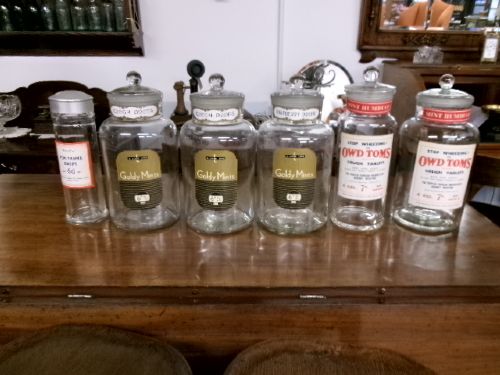
- A specialised cabinet or counter fitted with numerous small drawers or glass compartments intended for storing medicines and dry goods.
Edwardian Counter: Frequently Asked Questions
How were these counters used originally?
Merchants utilised these fixtures in retail shops to serve customers, conduct transactions, and display small wares securely beneath glass tops. They stood at the front of stores as central focal points for daily trade.
Interior spaces benefited from the division created by these large timber units, which separated the serving area from the shop stockroom behind.
Can I use an edwardian counter in a kitchen?
These robust wooden structures suit modern kitchens well as islands, prep tables, or standalone storage units with generous surface areas. Their sturdy construction handles daily food preparation tasks comfortably.
Protecting the wooden surfaces with suitable oils helps guard against moisture and daily wear in domestic environments.
How do I identify an authentic piece?
Authentic examples display period construction methods, including hand-cut dovetails, traditional screw types, and honest timber shrinkage consistent with age. Maker stamps or original retailer plaques often appear on the internal frames.
Examine the glass panels for bubbles and waviness typical of early manufacturing processes rather than modern float glass.
What woods were commonly used?
Makers selected dense hardwoods like oak and mahogany for high-end retail counters that required durability and an impressive visual presence. Softer woods such as pine appeared more frequently when the exterior was intended to be painted.
Secondary timbers like deal often formed the internal framing and drawer linings where customers would not see them.