



Edwardian Copper Panels
Edwardian copper panels bring tangible warmth to interiors through beaten metalwork set into sturdy oak and mahogany framing.
Edwardian Copper Panels
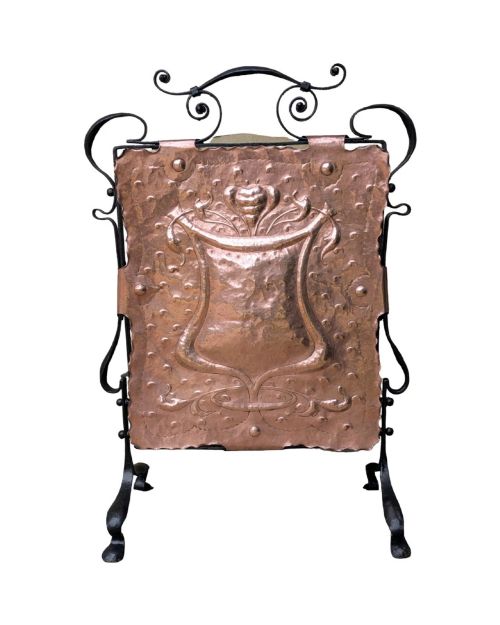
When you search for edwardian copper panels, you encounter a distinct group of metalwork and mixed-media furnishings spanning the late nineteenth and early twentieth centuries. These objects incorporate metal inserts into functional home fixtures, ranging from firescreens and coal boxes to wall plaques and larger folding room dividers.
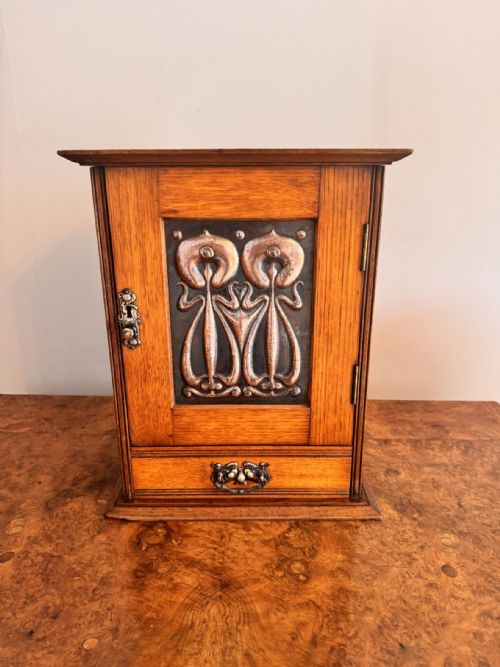
Forms vary from standalone architectural wall art and fireplace accessories to decorative panels integrated into wooden cabinets and sideboards. The primary focus remains the worked metal surface, whether shaped into floral motifs, raised lettering, or simple geometric textures.
Materials and construction methods
Makers formed these items using sheet copper, working the metal by hand to create raised relief designs and textured surfaces. This technique involved hammering from the reverse side to push out motifs, a process often complemented by planishing hammers on the front to leave characteristic faceted marks.
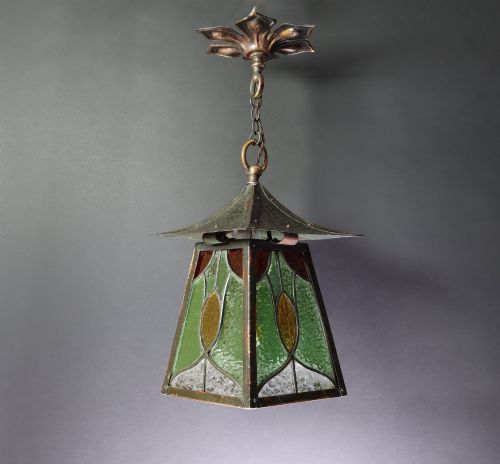
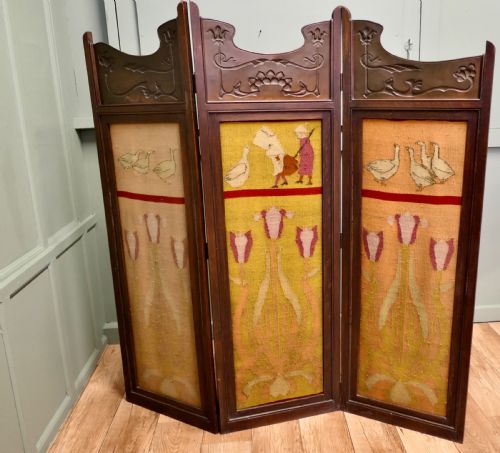
The copper elements are typically mounted into wooden frames constructed from oak, mahogany, or sometimes iron and brass supports. Additional decorative details occasionally include leaded stained-glass inserts, naive wool embroidery, and brass hardware to complete the composition.
Edwardian Copper Panels Retail Price Guide 2026
Typical asking prices for edwardian copper panels among the pieces listed under this phrase on Sellingantiques today, from the lower quarter to the upper quarter. They describe what is for sale here now, not the wider market.
The listings combine copper with oak, mahogany, brass, and leaded glass across furniture and wall art.
Factors determining quality
The distinction between standard utility items and finer works lies in the depth and precision of the metalworking. Superior examples display crisp relief hammering with deliberate hand-finished textures rather than shallow machine stamping.
Timber selection and joinery also dictate overall worth, with solid golden oak and well-figured mahogany framing providing a sturdier housing for the metal insert. Integration between the copper panel and its surrounding wood structure reveals the maker's underlying skill.
Shapland and Petter
The Edwardian Copper Panels Glossary
- Planishing
- The process of smoothing and shaping sheet metal with a light-faced hammer, leaving subtle, flat facets across the surface. This technique hardens the copper while creating a distinctive shimmering texture under light.
- Relief plaque
- A decorative panel where the design projects outward from the flat background plane. Artisans achieved this three-dimensional effect by beating the metal from the reverse side.
- Arts and Crafts
- A design movement advocating traditional craftsmanship and simple forms, heavily represented in these listings through hand-beaten metalwork and exposed joinery. It prioritized the visible mark of the maker over mass production.
- Art Nouveau
- A style defined by sinuous, organic lines and flowing plant-inspired motifs. You see this influence in the curving vegetal patterns stamped or beaten into the copper.
- Firescreen
- A portable screen placed in front of a fireplace opening when the hearth is not in use. They frequently served as a primary display surface for large decorative metal panels.
Edwardian Copper Panels: Frequently Asked Questions
How do I clean antique copper?
Maintenance requires minimal intervention to preserve the historic patina built up over decades. Gentle dusting with a soft cloth is usually sufficient for everyday care.
Avoid harsh commercial metal polishes that strip away the aged surface character. Professional advice generally recommends leaving the natural oxidation untouched.
Where were these panels originally displayed?
These pieces found places in principal reception rooms, hallways, and studies of period homes. They served both utilitarian purposes and decorative functions near hearths and furniture.
Larger folding screens divided drawing rooms, while smaller plaques hung directly on panelled or wallpapered walls.
Are wooden frames original to the metal?
Most surviving items maintain their initial factory or workshop pairing, particularly where the copper is rebated directly into custom cabinetry. Oak and mahogany surrounds were designed specifically to house the metal inserts.
Examining the fixings and backboards helps confirm that the frame and panel share the same period of origin.
How do I distinguish Edwardian from Victorian pieces?
Victorian examples often lean towards heavier, ornate styling with darker timber finishes and dense decoration. Edwardian variations typically embrace lighter oak tones and simpler, more restrained compositions.
Stylistic crossover remains common because workshops continued producing transitional designs across the turn of the century.