
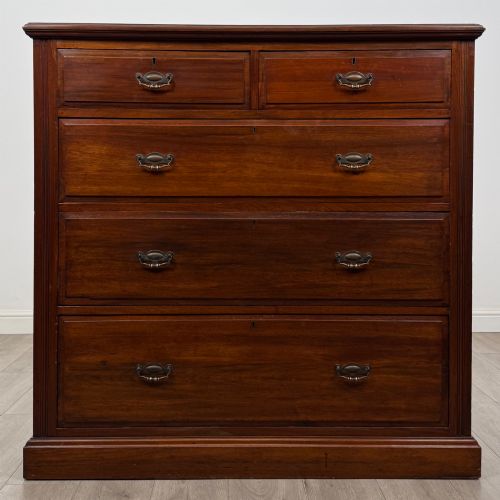
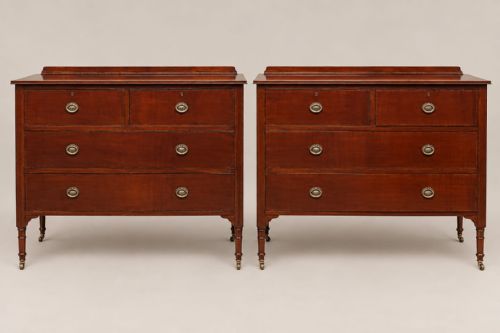
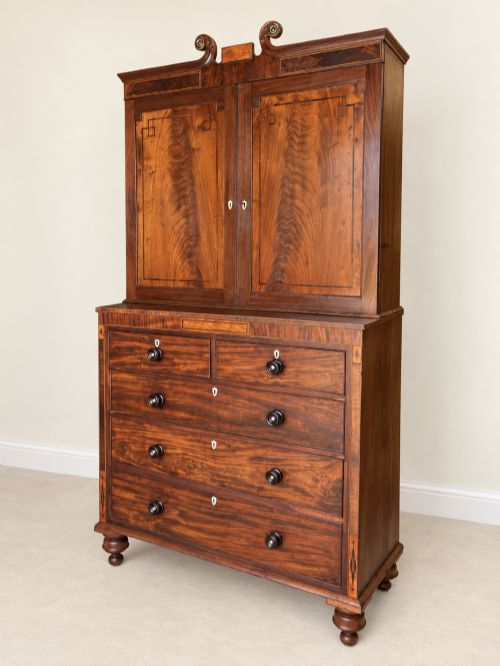
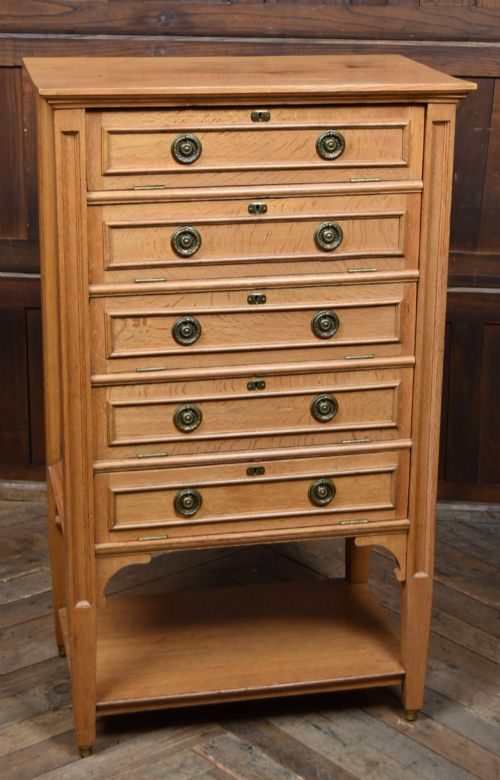
Edwardian Chest on Chest
When you search for an edwardian chest on chest, you seek a vertical double-body storage piece combining period cabinetmaking with practical height.
Edwardian Chest on Chest
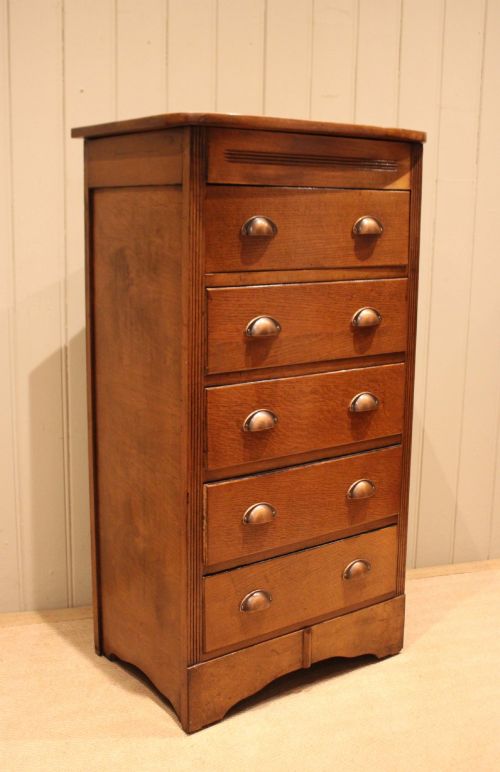
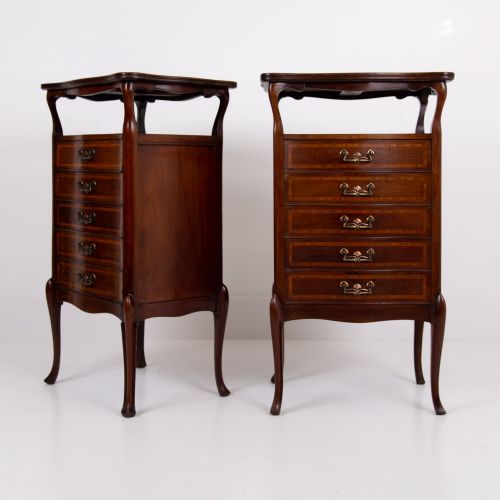
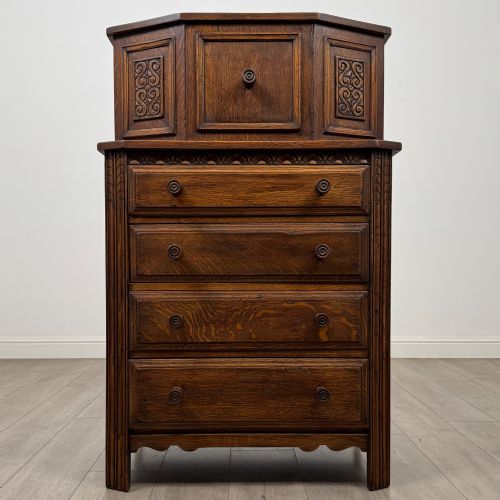
An edwardian chest on chest consists of two stacked cabinet sections, placing a smaller set of drawers directly upon a wider base chest. This vertical arrangement maximises storage capacity while occupying a minimal floor footprint in domestic spaces.
The archive and current listings show these storage units originating predominantly from the early twentieth century, constructed in rich timbers such as mahogany, oak, and walnut. Surviving examples frequently exhibit the clean proportions characteristic of the period alongside earlier Georgian revival influences.
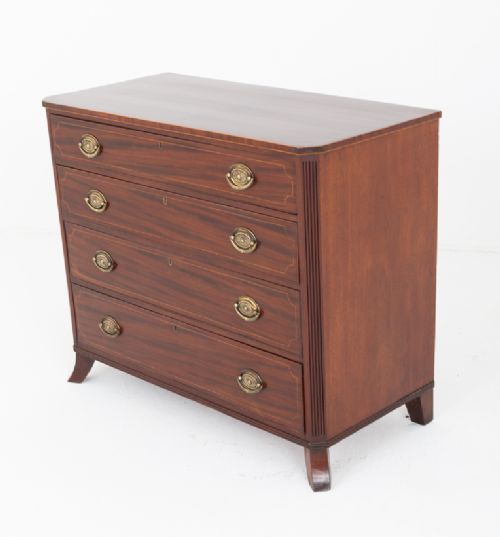
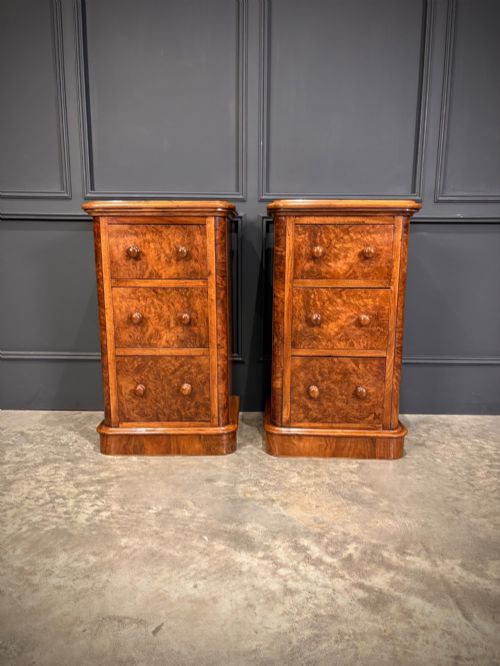
Buyers commonly encounter variations featuring figured veneers, satinwood banding, or compartmentalised interior drawers. These pieces served primarily for bedroom linen and apparel organisation, maintaining a formal presence.
Materials and construction methods
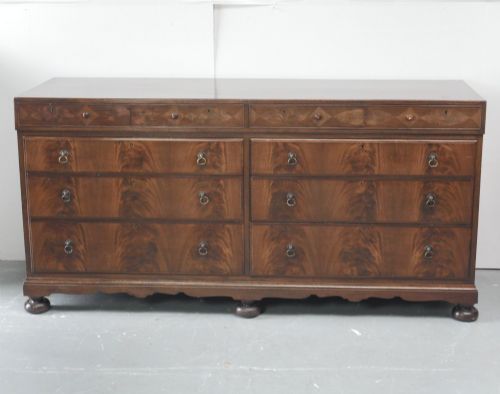
Cabinetmakers utilised solid structural hardwoods like oak and mahogany for carcases, frequently applying finely figured mahogany, walnut, or yew veneers to drawer fronts and top surfaces. Timber selection governed the visual rhythm of the grain across the stacked facade.
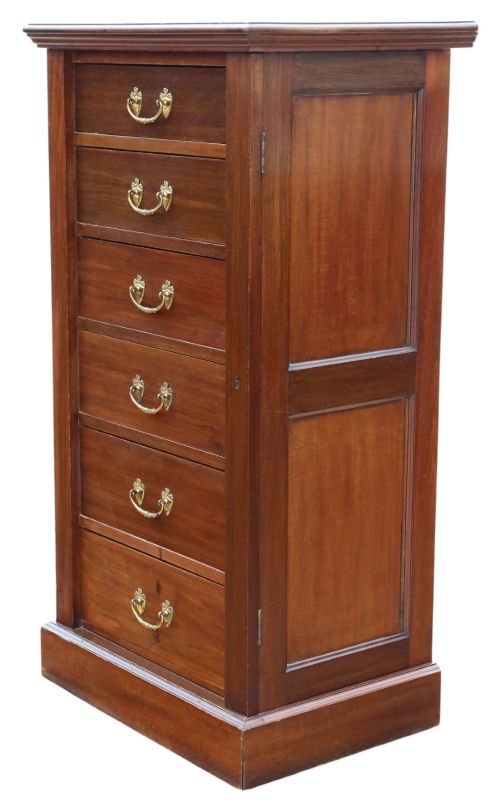
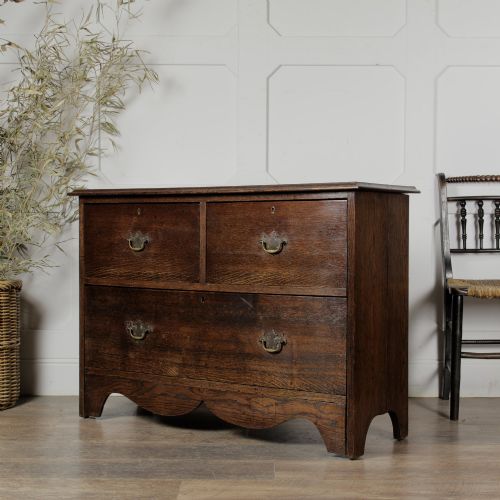
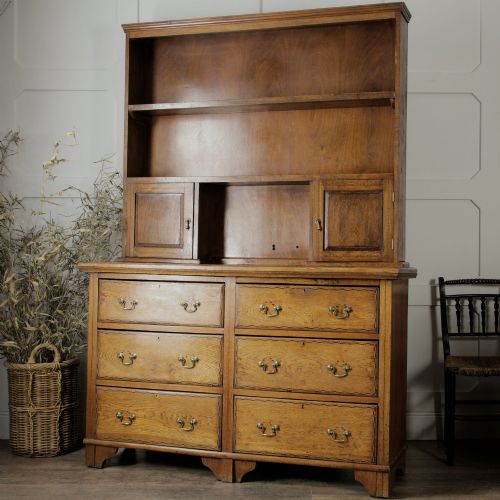
Joinery relied upon traditional hand-cut dovetails for drawer construction and carcase assembly, ensuring robust longevity under daily use. Brass hardware, including drop handles and escutcheons, was pinned or screwed directly to the timber faces.
Secondary timbers such as pine or oak appeared within drawer linings and back panels, reflecting standard British workshop practices of the era.
The archive records multiple variations including bow front, straight front, and compact proportions.
Distinctions in craftsmanship
Superior examples demonstrate meticulous timber selection, where veneer patterns are mirrored across drawer fronts and matched symmetrically. Lesser items utilise plainer, unfigured woods with less attention given to visual continuity across the stacked sections.
The execution of the drawer joints and the smoothness of the drawer action separate standard production from high-grade cabinetwork. Fine pieces maintain tight, flush drawer clearances and retain original brass furniture and working locks.
Whytock & Reid·Spillman & Co·James Deakin & Sons·Sampson Mordan·Robinsons of Newcastle
The Edwardian Chest on Chest Glossary
- Chest on chest
- A tall storage unit formed of two separate cabinet sections stacked vertically, where the upper chest rests directly upon a larger lower base.
- Veneer
- A thin layer of highly figured wood applied over a stable secondary timber carcase to display decorative grain patterns.
- Dovetail
- An interlocking joint formed of interlocking wedge-shaped fingers, used primarily to secure drawer corners with high tensile strength.
- Satinwood banding
- A narrow inlay border of pale exotic timber inserted around the perimeter of drawer fronts or top surfaces for visual contrast.
- Escutcheon
- A protective metal plate surrounding a keyhole, designed to prevent the surrounding wood from wearing down through repeated use.
Edwardian Chest on Chest: Frequently Asked Questions
How were these cabinets used?
These tall chests served primarily in bedrooms for organising clothing, linens, and personal accessories within multiple graduated drawers. The stacked design allowed households to store extensive wardrobes within a single vertical footprint.
Upper sections often accommodated smaller garments or valuables, while deeper lower drawers held bulkier textiles and linens.
Where should I place a chest on chest?
These tall proportions suit bedrooms, landings, or dressing rooms where floor space is limited but vertical wall capacity is available. Positioning them away from direct heat sources protects the timber carcase and delicate wood veneers from drying out.
Securing the upper and lower sections properly ensures stability when placing the heavy wooden units into position.
How do I identify the period?
Identifying an edwardian piece involves examining the timber species, interior secondary woods, construction joints, and decorative hardware styles. Cabinetmakers during this era frequently combined traditional Georgian proportions with Edwardian figured mahogany or oak.
Original drawer linings, hand-cut dovetails, and period brasses help distinguish genuine early twentieth-century examples from later revival items.