




Edwardian Carved Coal Box
An Edwardian carved coal box brings warmth and refined woodwork right beside the hearth, combining practical fuel storage with elegant period design.
Edwardian Carved Coal Box
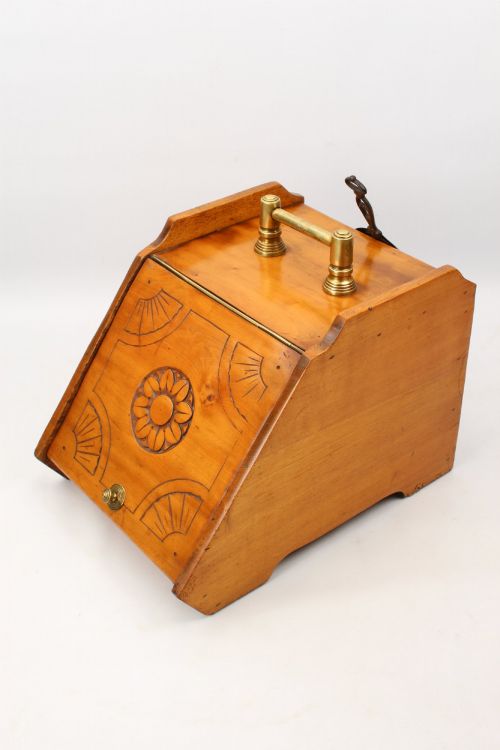
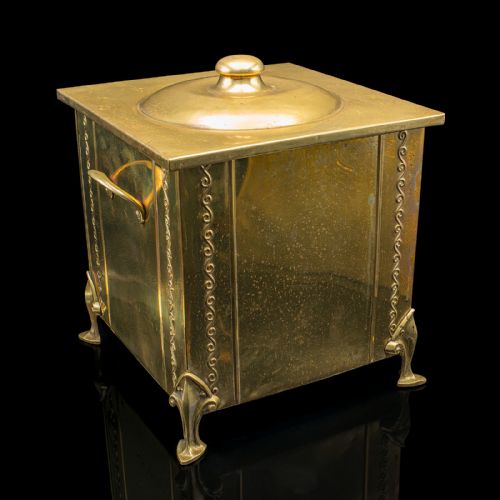
An Edwardian carved coal box provides a dedicated, lidded enclosure to keep fuel tidy near a fireplace, frequently taking the form of a purdonium or cabinet. These domestic items bridge the gap between heavy utility and formal parlour display, housing fuel while concealing it behind handsome timber panels.
The pieces listed on this page span the Edwardian era and the late nineteenth century, predominantly appearing in oak, mahogany, and walnut. Alongside standard coal scuttles and boxes, collectors encounter purdoniums with drop-front doors, internal metal liners, and matching shovels intended for daily fireside service.
Materials and construction methods
Cabinetmakers constructed these boxes primarily in solid oak, mahogany, and walnut, applying hand-carving to the front panels and lids. The timber framing required sturdy joinery to withstand the daily weight of coal and logs hauled from the cellar.
Functional metal components, including brass handles, hinges, and removable inner liners made from galvanised iron or zinc, protected the wooden structure from moisture and coal dust. Many examples incorporate silver-plated mounts or intricate marquetry inlay to elevate their appearance in a formal sitting room.
The listings here include oak, mahogany, and walnut timbers, paired with brass mounts and metal liners.
Judging the quality of craftsmanship
The distinction between standard utility items and finer pieces lies in the depth and crispness of the wood carving on the exterior panels. Superior examples feature carefully selected grain patterns, robust dovetail joints, and well-fitted internal liners that slide smoothly without binding.
Hardware selection also dictates grade, with heavy cast brass handles and secure locking mechanisms marking out better workshops. Retaining the original shovel and a clean, intact metal liner adds considerably to the integrity of a piece.
The Edwardian Carved Coal Box Glossary
- Purdonium
- A specialised cabinet designed to hold household coal, typically featuring a sloping drop-front or a hinged lid for easy access. These units often enclose a removable metal liner to catch debris.
- Coal scuttle
- A traditional open-topped or lidded container used for carrying and storing coal by the fireside. They often incorporate a sturdy swivel handle across the top for lifting.
- Marquetry
- The art of applying pieces of veneer to a structure to form decorative patterns and pictures. It appears on finer cabinet furniture of the period.
- Silver plate
- A thin layer of silver applied to a base metal object to provide a bright finish. It is found on mounts and decorative handle plates.
Edwardian Carved Coal Box: Frequently Asked Questions
Did these boxes come with shovels?
Many Edwardian coal boxes and purdoniums were manufactured with dedicated matching shovels. These often slid into specialised side brackets or internal compartments built into the cabinet.
Finding a piece that retains its original shovel and internal metal liner is a notable bonus for collectors interested in complete sets.
How do I care for the wood?
Maintain the timber by keeping the box away from direct, intense heat sources like active open fires or modern radiators. Excessive heat can cause dry wood to split and warp over time.
Apply a traditional beeswax polish occasionally to nourish the grain and protect the carved surfaces from dust and minor scuffs.
How do I distinguish Edwardian from Victorian?
Edwardian pieces generally lean towards lighter timber tones, refined marquetry, and softer decorative carving influenced by the arts and crafts movement. Victorian examples tend to be heavier, darker in colour, and more heavily ornamented.
Construction methods also shift slightly, though overlapping styles mean examining the specific hardware and wood choice provides the clearest indication of date.