

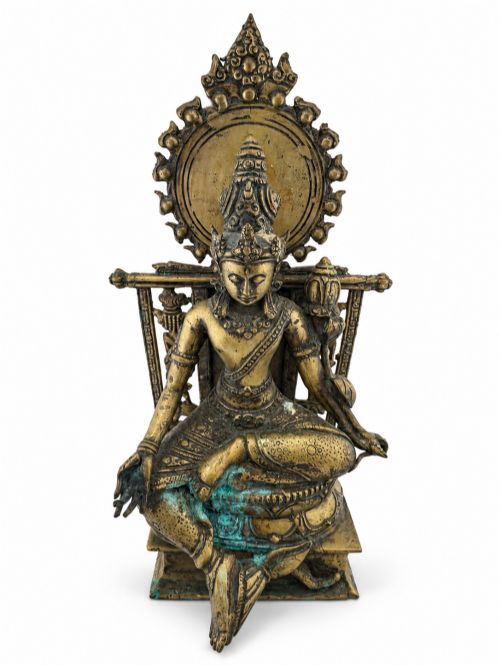
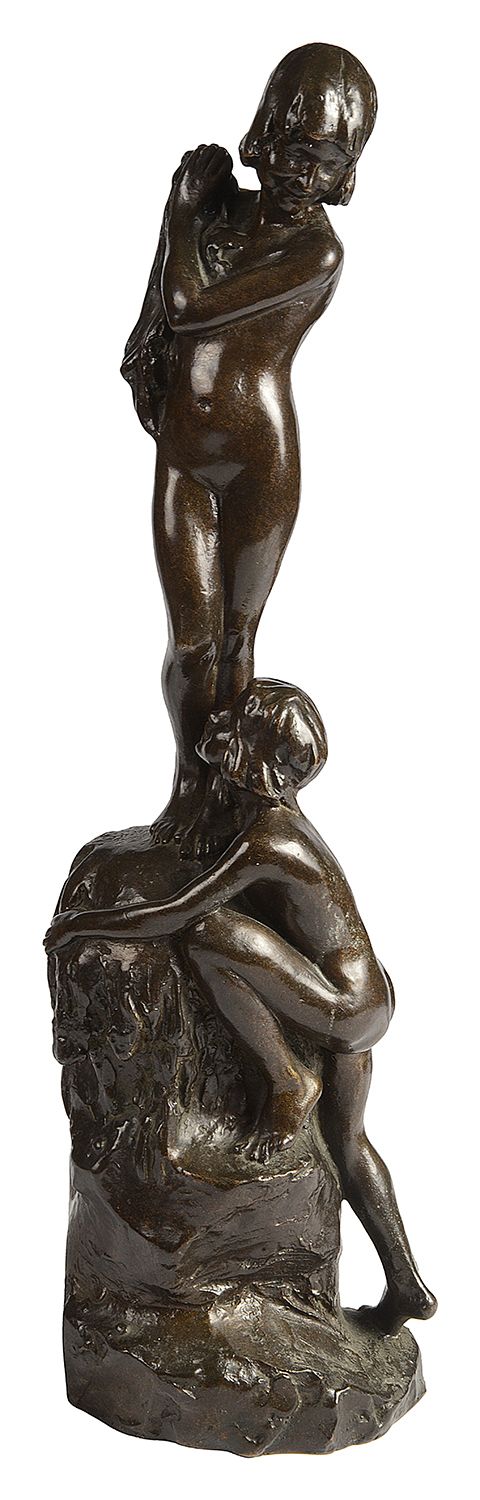
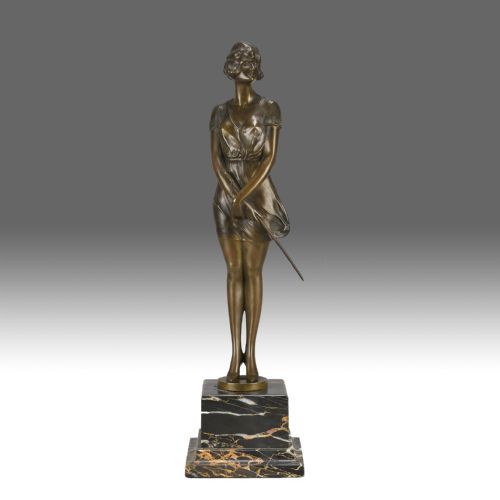
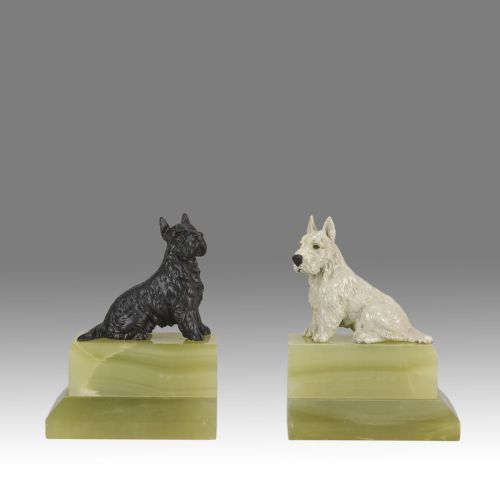
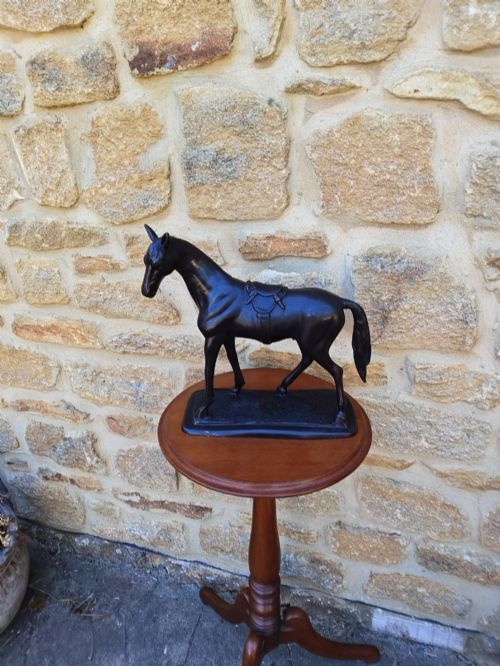
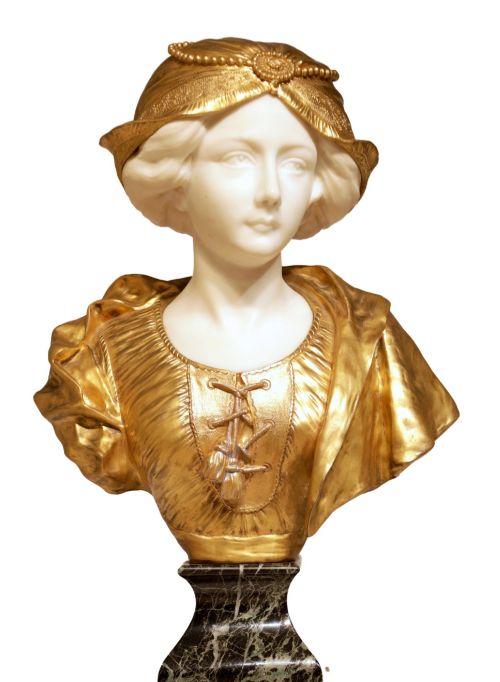


Edwardian Bronze Figure
An edwardian bronze figure captures the artistic ambition of the early twentieth century in solid metal.
Edwardian Bronze Figure
When you search for an edwardian bronze figure, you encounter small desk accessories, animal studies, and classical busts made around the turn of the twentieth century. These pieces reflect the diverse tastes of the period, ranging from whimsical Vienna bronze animals to academic figures and decorative bookends.
The most common examples on this page are small animal sculptures and desk ornaments, often cast in Austria or France during the Edwardian era. You will also find figures mounted on marble bases or combined with onyx and glass elements to serve functional roles as inkwells and pin cushions.
Makers and foundries from Vienna and Paris dominated this output, producing both naturalistic wildlife and stylised human forms. Collectors choose these works for their tactile presence and the enduring quality of their patination.
Materials and Casting Methods
The foundation of these pieces is cast bronze, sometimes enhanced with cold-painted polychrome surfaces applied over the metal. Foundries utilised traditional lost-wax or sand-casting techniques to achieve fine detail in hair, feathers, and clothing.
Many sculptures incorporate contrasting bases of marble, onyx, or gilt bronze and ormolu mounts to elevate the visual impact. Cold-painted finishes require careful layering of oil-based paints, which survive best when kept away from direct sunlight.
Edwardian Bronze Figure Retail Price Guide 2026
Typical asking prices for edwardian bronze figure among the pieces listed under this phrase on Sellingantiques today, from the lower quarter to the upper quarter. They describe what is for sale here now, not the wider market.
The selection spans works from the nineteenth century through the Edwardian era and into early Art Deco styles.
Distinctions in Quality
The finest pieces demonstrate crispness in the chaser's work after casting, where details like facial expressions and plumage remain sharp rather than softened by worn moulds. Superior patination and the skillful application of polychrome paint show the hand of a master workshop.
Heavier casting and integrated marble or onyx bases that proportion correctly with the metal figure indicate superior manufacture. Poorer examples show heavy, obscuring paint layers or careless assembly where the bronze meets its mount.
Bruno Zach·Franz Bergman·Affortunato Gory·F. De Luca·Fabergé
The Edwardian Bronze Figure Glossary
- Cold-painted bronze
- A method where bronze figures are painted with unfired oil-based colours after casting. This technique was especially popular in Austrian workshops during the Edwardian period.
- Vienna bronze
- Small, highly detailed bronze sculptures produced in Vienna around 1900. These often depict animals, human figures, or orientalist scenes with cold-painted finishes.
- Animalier
- A nineteenth and early twentieth century artistic style focused on the realistic portrayal of animals. Sculptors in this tradition studied anatomy closely.
- Ormolu
- Gilded brass or bronze used for mounts, bases, and decorative trim. The technique involves applying a gold amalgam to the base metal.
- Patina
- The surface sheen and coloration developed on bronze through age, handling, or chemical treatment. Collectors value original patination for its historical integrity.
Edwardian Bronze Figure: Frequently Asked Questions
What is a cold painted bronze?
A cold painted bronze is a metal sculpture decorated with oil-based paint applied directly to the cold metal surface rather than fired in a kiln.
This technique allowed makers to achieve vibrant, lifelike colours on small animal and human figures.
Where were these figures made?
These figures originated primarily in European workshops, with major production centres in Vienna, Paris, and Russia.
Austrian foundries specialised in cold-painted animals, while French studios focused on figurative bronzes and busts.
How can I tell the age?
Dating relies on stylistic markers, foundry marks, and the specific composition of the materials used in the base and figure.
Edwardian pieces often combine bronze with natural marble or onyx, reflecting the interior tastes of 1900 to 1910.