




Edwardian Brass Urns
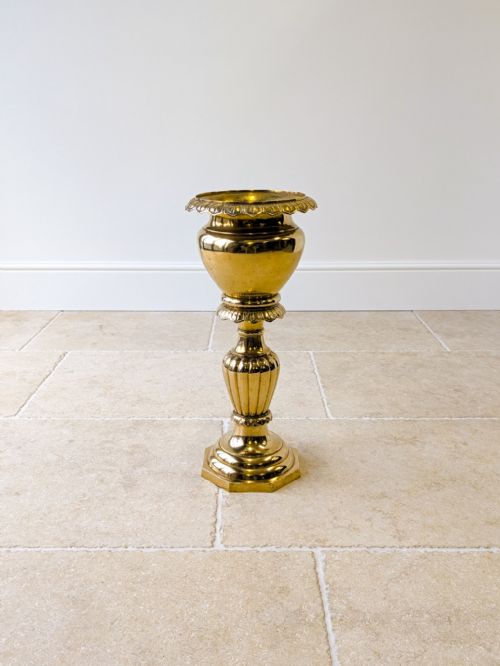
Edwardian brass urns bring classical form and warm metal into a room, offering both decorative presence and historic character.
Edwardian Brass Urns
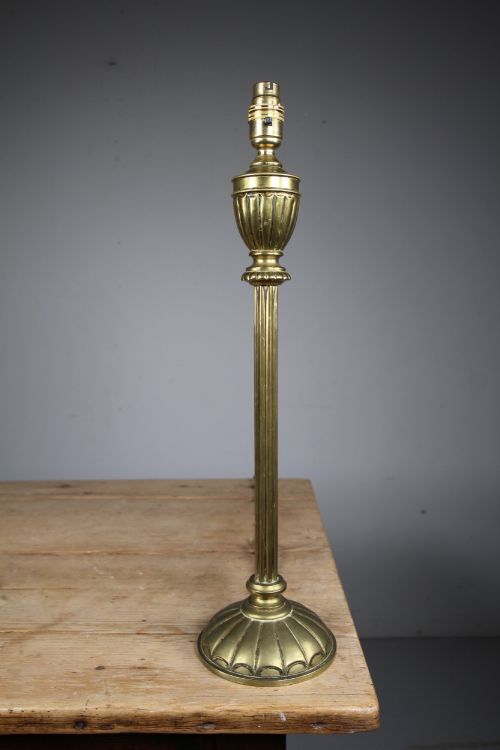
When you search for edwardian brass urns, you encounter decorative vessels and related objects shaped by classical revival and arts and crafts aesthetics from the early twentieth century. These pieces draw on earlier neoclassical and french chateau motifs, translating substantial architectural forms into domestic ornaments.
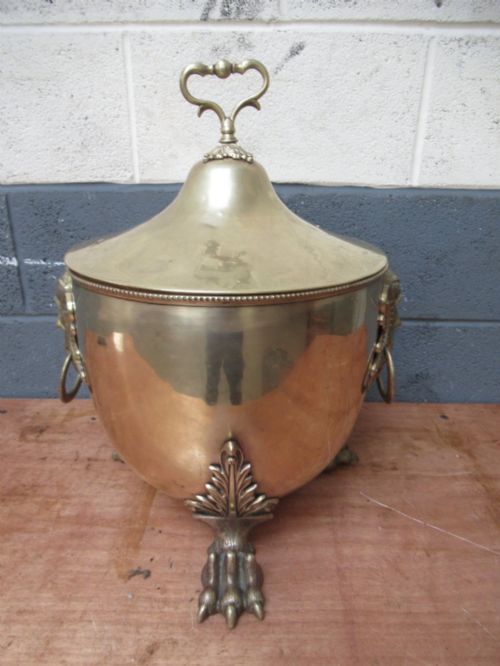
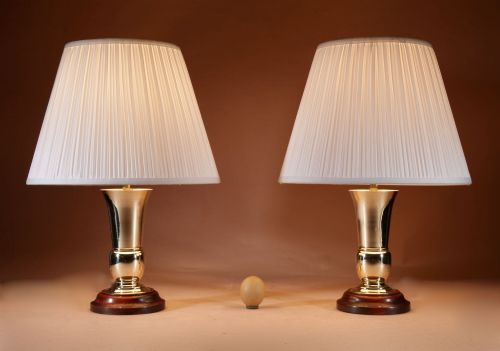
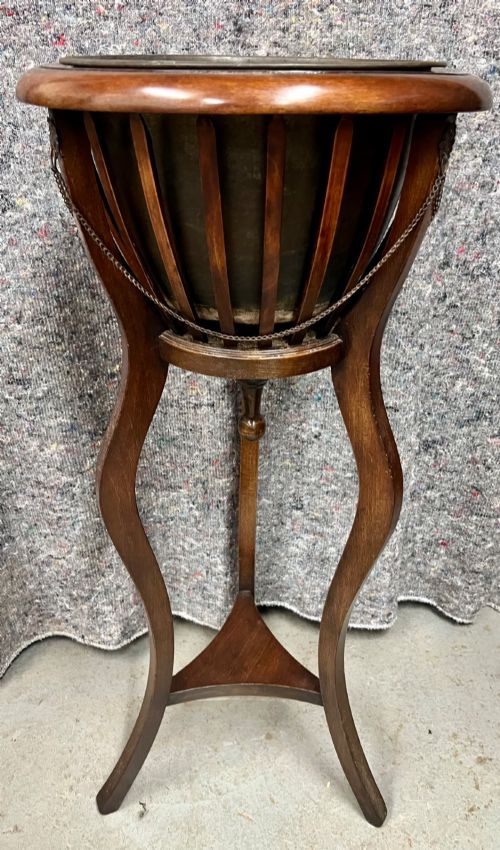
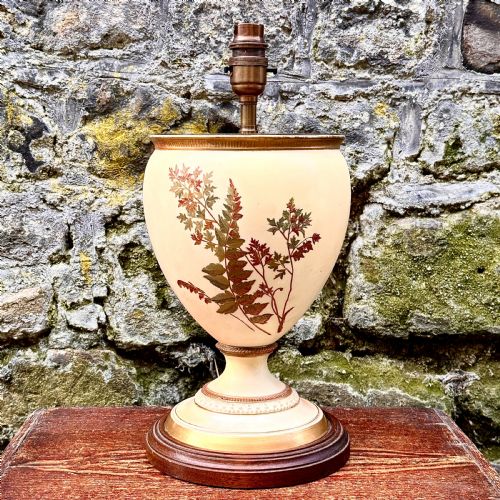
The selection includes twin handled vases and jardiniere vessels in brass and copper, often paired with matching stands or decorative metal mounts. These items reflect the domestic interiors of the period, where polished metal displayed both utility and ornamental display.
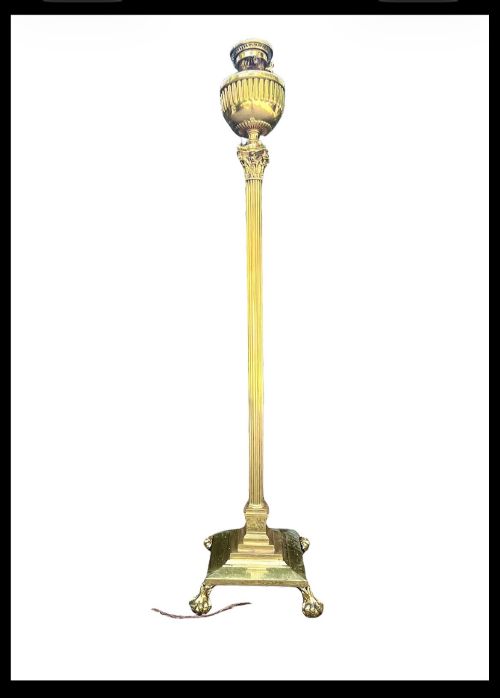
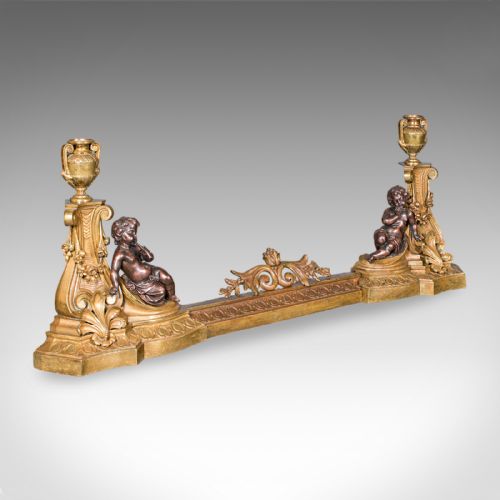
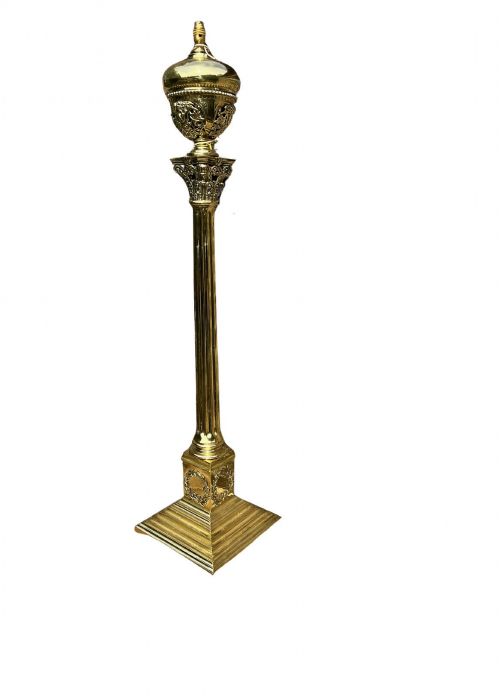
Makers and workshops of the era produced these urns alongside related metalwork such as spirit kettles, standard lamps and fireplace fenders, using traditional foundry methods that survived into the Edwardian decades.
Materials and construction methods
Makers utilised brass and copper as primary metals, often combining them with wood, porcelain, glass and gilt metal accents to create contrasting textures. Chased floral decoration appears across many surfaces, showing detailed hand tool work on the metal body.
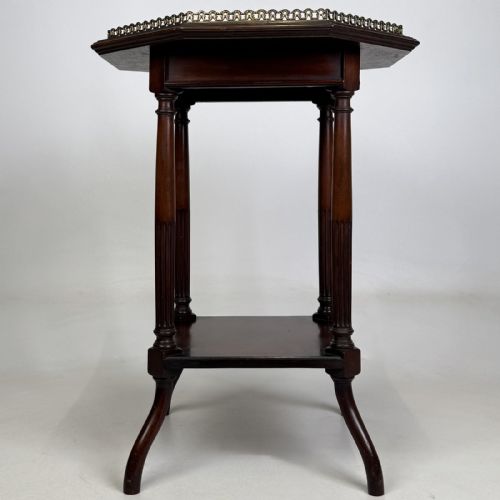
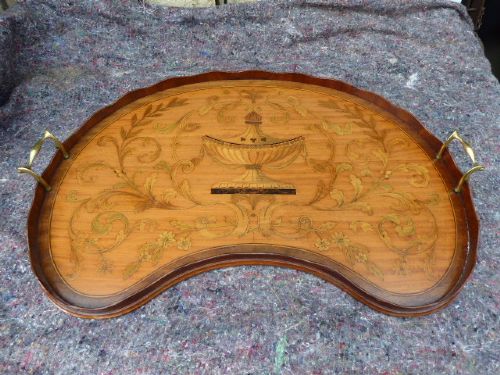
Casting and panel assembly formed the core techniques for these vessels, with handles and mounts securely riveted or joined to the main body. The integration of materials like mahogany, satinwood and white onyx in related stands demonstrates the mixed media approach common in the period.
Edwardian Brass Urns Retail Price Guide 2026
Typical asking prices for edwardian brass urns among the pieces listed under this phrase on Sellingantiques today, from the lower quarter to the upper quarter. They describe what is for sale here now, not the wider market.
A heavy ecclesiastical ciborium sits happily among domestic tea kettles and plant stands.
Assessing quality in period metalwork
The distinction between ordinary and superior pieces rests on the crispness of the chased decoration and the weight of the metal used in the casting. Heavier gauge brass and deeply worked floral motifs indicate a higher standard of craftsmanship in the workshop.
Proportion and the integrity of the joins determine the overall success of the design, separating standard production items from pieces that show deliberate artistic ambition. Surface finish and the preservation of original patination also guide the evaluation of these historic objects.
Edwards and Roberts·Royal Worcester·Samson·Benskins Brewery
The Edwardian Brass Urns Glossary
- Edwardian
- Pertaining to the reign of King Edward VII, spanning the years from 1901 to 1910, characterised by lighter domestic furniture and refined classical revival ornament.
- Jardiniere
- A large ornamental pot or stand designed to hold growing plants or flowers, frequently rendered in brass, copper or inlaid mahogany during the nineteenth and early twentieth centuries.
- Chased
- Decorated by indenting or hammering the metal surface with hand tools to raise or depress patterns without removing material.
- Neoclassical Revival
- A style drawing inspiration from the classical art and architecture of ancient Greece and Rome, prominent in decorative metalwork and urn design.
- Arts and Crafts
- A design movement promoting traditional craftsmanship, simple forms and visible structural qualities in metalwork and household objects.
Edwardian Brass Urns: Frequently Asked Questions
How were these urns used?
Households in the Edwardian period placed these metal vessels on tables, sideboards or plant stands as purely decorative objects. Some functioned alongside jardinieres to display plants and floral arrangements.
Their substantial weight and reflective metal surfaces added warmth and classical dignity to reception rooms and hallways.
How do I clean edwardian brass?
Maintaining these pieces requires gentle dusting and occasional cleaning with a mild, non-abrasive metal polish. Preserving the dark historic patination is usually preferred by collectors over achieving a bright shine.
Harsh chemical cleaners should be avoided to protect chased surface details and original finishes.
How do I identify edwardian pieces?
Dating these items involves examining the manufacturing techniques, alloy composition and stylistic motifs. Edwardian pieces often blend neoclassical revival forms with the hand-finished details typical of the arts and crafts movement.
Comparing the object types and materials to records from the period helps confirm the era of production.