


Edwardian Brass Open Twist
Edwardian brass open twist pieces bring unmistakable warmth to a room, offering the tactile appeal of spiral metalwork formed during the early twentieth century.
Edwardian Brass Open Twist
When you search for Edwardian brass open twist items, you encounter functional household objects shaped with helical stems that catch the light from multiple angles. These pieces predominantly take the form of tall table lamps and candlesticks designed for domestic illumination.
The selection on this page centres on items created during the Edwardian era alongside adjacent periods spanning the late nineteenth century through to the early 1920s. Alongside solid metal examples, you occasionally find hybrids pairing brass stems with wooden components like oak or walnut bases.
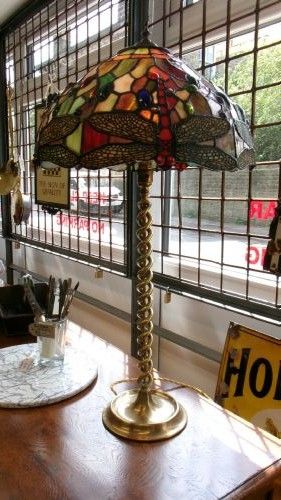
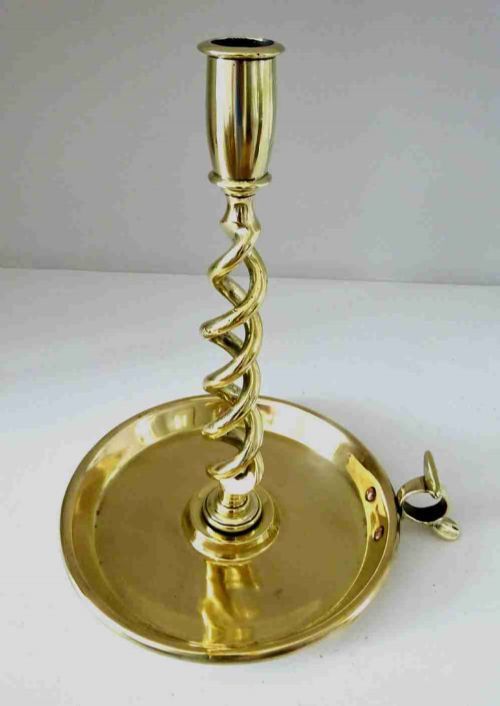
Candlesticks dominate the current offerings, often presented in matched pairs with substantial heights reaching up to fourteen inches. Table lamps also feature prominently, sometimes incorporating decorative additions such as stained glass shades or fitted bases.
How they were made
The construction relies heavily on brass, shaped into distinct single or double helix formations that define the open twist aesthetic. Metalwork techniques of the period allowed artisans to spin and twist the material while maintaining structural integrity in tall shafts.
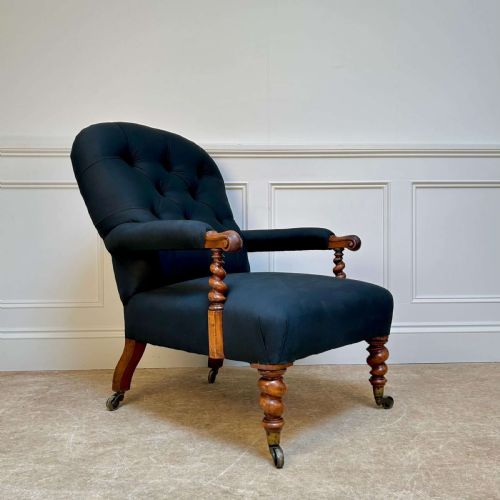
Composite examples integrate timber elements, combining turned oak or walnut with bright brass tops and fittings to create contrast in texture and colour. Fabric and lead occasionally appear in related elements such as shades or weighted bases.
Twisted brass stems were designed to catch the flicker of candlelight, effectively multiplying the glow without a single extra candle.
What varies in quality
Quality rests in the crispness of the twist and the substantial feel of the metal used in the shaft. Sharply defined spirals and heavier gauges distinguish finer candlesticks and lamps from simpler, lighter productions.
The integrity of combined materials also dictates the standard of the piece, particularly where brass meets turned oak or walnut. Seamless integration between the metal twist and the fitted wooden base indicates superior craftsmanship.
Hindley And Sons
The Edwardian Brass Open Twist Glossary
- Open twist
- A spiral form where the helical turns leave open space through the centre of the shaft rather than winding around a solid core.
- Barley twist
- A traditional spiral turning resembling the stalk of barley, frequently applied to both metal and wooden stems in these designs.
- Double helix
- A decorative formation featuring two intertwined spiral strands running parallel along the length of the candlestick or lamp.
- Fitted base
- A weighted or specifically shaped lower mount designed to support the height of a tall, slender stem without tipping.
Edwardian Brass Open Twist: Frequently Asked Questions
What are edwardian brass open twist pieces?
They are decorative lighting supports and candlesticks featuring spiral metal shafts produced around the early twentieth century.
These items use twisted brass to catch the ambient light in a room.
How were these candlesticks used?
They served to hold wax candles safely on dining tables, mantelpieces and sideboards during the evening.
Tall examples provided elevated illumination across domestic spaces before electric lighting became universal.
How do I live with brass twist lamps?
Place them on sturdy wooden furniture where their warm metallic tones complement oak and walnut surfaces.
Keep polishing to a gentle minimum to preserve the historic character of the metal.
How do I spot an edwardian piece?
Look at the combination of materials, weight and form characteristic of the decades around nineteen hundred.
Details like fitted bases and double helix stems often align with manufacturing traits of that era.