







Edwardian Brass Inkwell
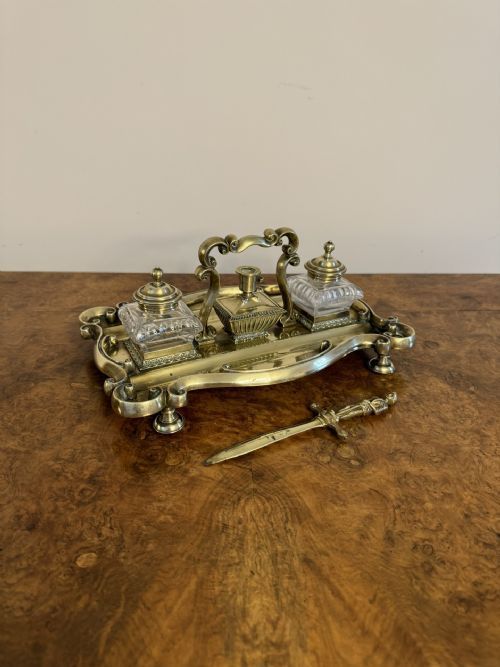
An Edwardian brass inkwell brings tactile character to a desk, pairing heavy cast metal with original glass inserts for everyday writing use.
Edwardian Brass Inkwell
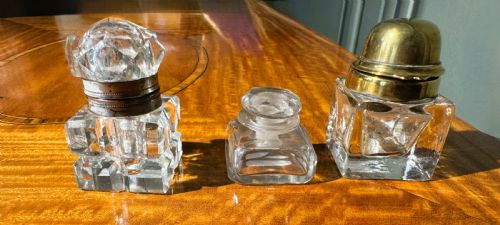
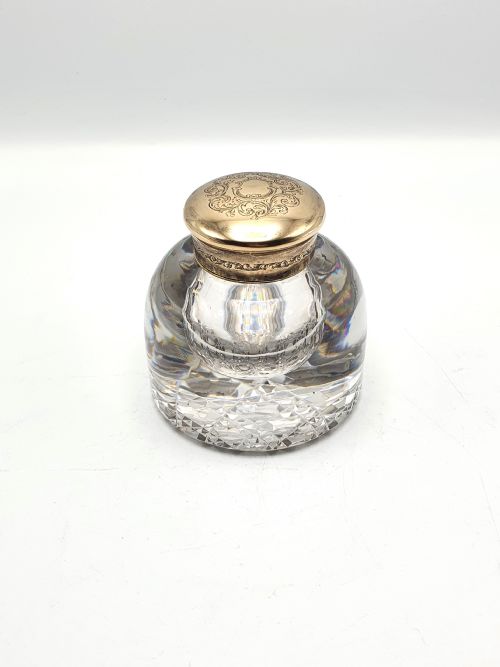
The edwardian brass inkwell category encompasses compact single reservoirs, large double desk stands, and fitted tidies designed for correspondence. These pieces combine heavy brass bases with fitted glass ink pots to manage writing fluid on a traditional desk.
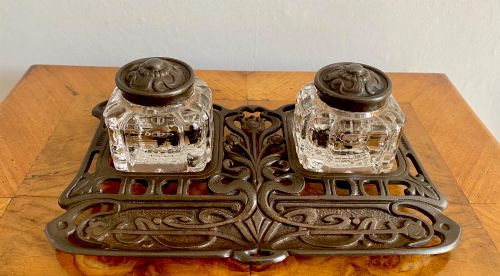
Most examples date from the Edwardian period or late Victorian era, alongside continental porcelain and metal variants. Collectors encounter everything from simple horseshoe motifs to elaborate Art Nouveau stands complete with penholders and drawers.
How they were made
Foundry workers cast brass and bronze components into ornate shapes, often finishing surfaces with detailed chasing or gilding. Wood bases in oak provide substantial weight to anchor the metal stands against daily use.
Edwardian Brass Inkwell Retail Price Guide 2026
Typical asking prices for edwardian brass inkwell among the pieces listed under this phrase on Sellingantiques today, from the lower quarter to the upper quarter. They describe what is for sale here now, not the wider market.
Several novelty inkwells incorporate taxidermy boar feet and glass owl eyes into their curious designs.
What varies in quality
The sophistication of the casting and chasing work separates standard production pieces from finer examples. Crisp detail in the brass ornamentation and the presence of original glass inserts elevate a piece.
Complexity of form dictates value, with fitted stands featuring drawers, multiple ink wells, and integrated pen trays holding more presence than single standalone reservoirs.
Elkington
The Edwardian Brass Inkwell Glossary
- Inkstand
- A complete tray or stand holding one or more inkwells, often with space for pens and sealing wax. These larger desk accessories kept writing implements organised in one place.
- Standish
- An alternative term for a desk tidy or inkstand, usually incorporating compartments for stationery and writing tools. They formed the centrepiece of a formal nineteenth century writing desk.
- Cut glass
- Glass decorated by cutting facets or patterns into the surface using a wheel. This technique adds weight and sparkle to the ink bottles fitted within the metal stands.
- Art Nouveau
- A style characterised by flowing, organic lines and natural motifs popular around the turn of the twentieth century. Pieces from this movement often feature whiplash curves and stylised floral patterns.
Edwardian Brass Inkwell: Frequently Asked Questions
Are the glass inserts usually original?
Many pieces retain their original glass or crystal bottles, which fit precisely into the brass collars. Finding a matching bottle with the correct rim and collar size is essential for completeness.
Replacements do occur due to breakage over decades of use. Closely inspecting the wear patterns inside the metal seating helps determine if the bottle belongs to the stand.
How were these inkwells used?
Owners placed these stands on writing desks to dip steel nib pens into fluid ink during daily correspondence. The hinged lids helped prevent the ink from evaporating too quickly.
Larger stands accommodated blotting paper, pens, and stamps alongside the main reservoirs. They served as both practical tools and decorative desktop ornaments in studies and offices.
How do I care for antique brass?
Maintain the surface by dusting gently with a soft cloth to prevent grime accumulation. Avoid aggressive metal polishes that strip away the aged patina accumulated over a century.
Keep glass inserts clean by washing them separately with warm water if ink residue builds up. Ensure the brass dries completely to protect any remaining original lacquer or finish.