




Edwardian Brass Floor Standard
Edwardian brass floor standard lamps provide adjustable height and steady illumination, bringing period utility and refined metalwork into a room.
Edwardian Brass Floor Standard
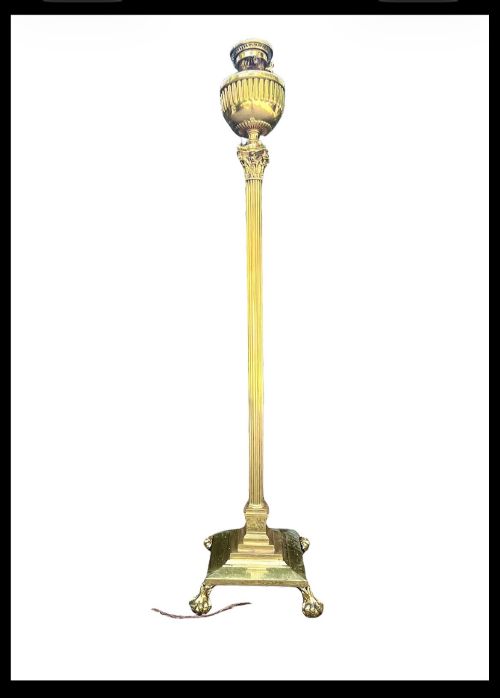
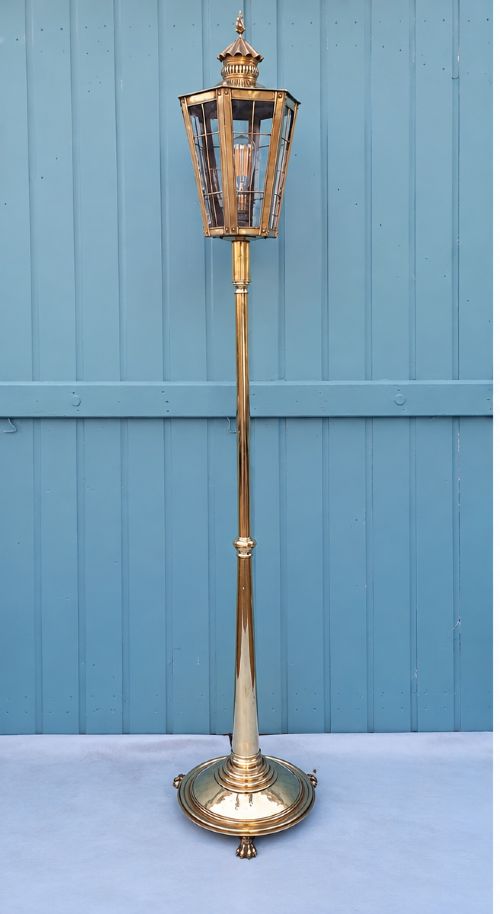
When you search for an edwardian brass floor standard, you encounter tall lighting fixtures designed to stand on the floor and cast light across a room. The selections on this page span the Edwardian period alongside Victorian, 1900, 1920, and 1930 eras, reflecting enduring domestic utility.
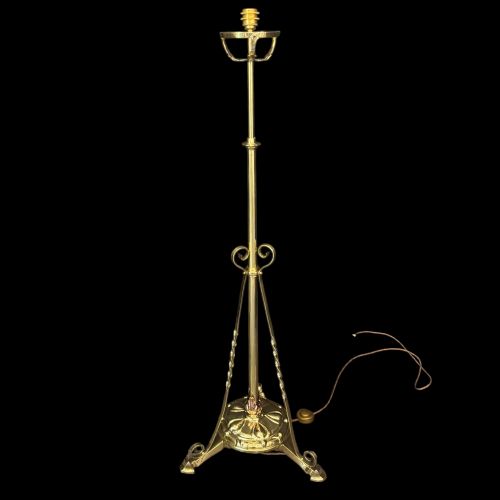
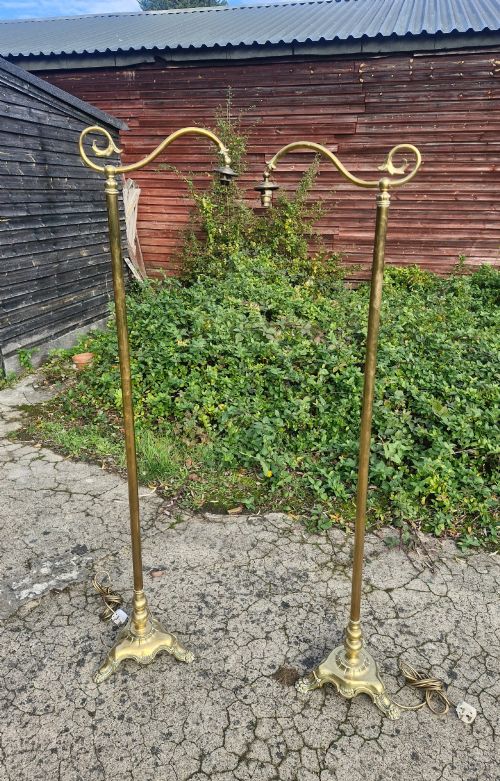
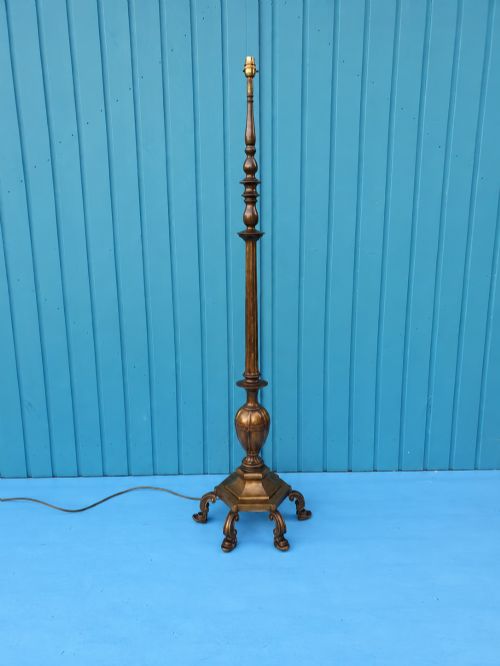
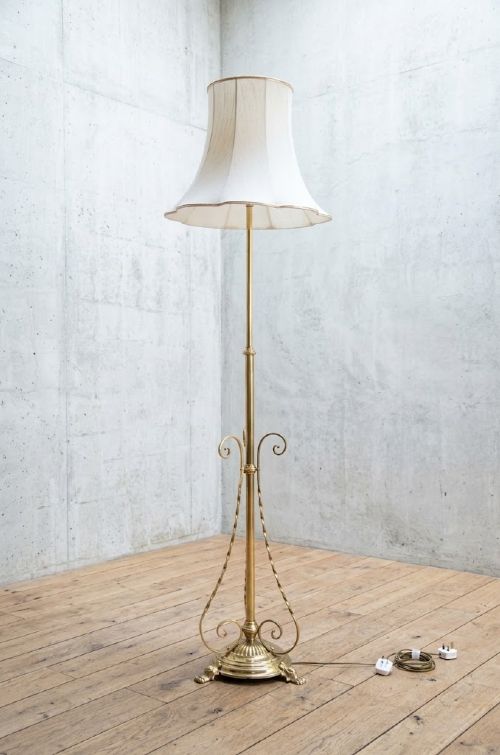
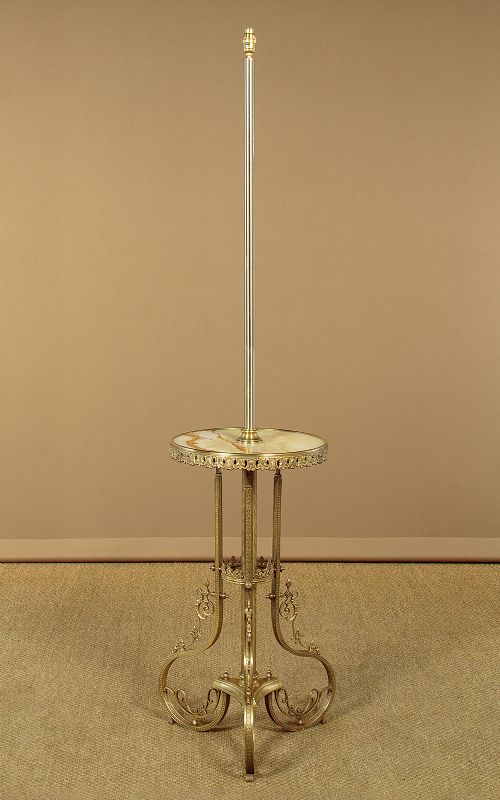
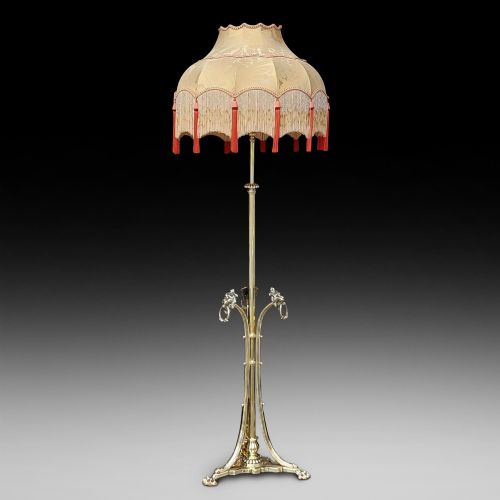
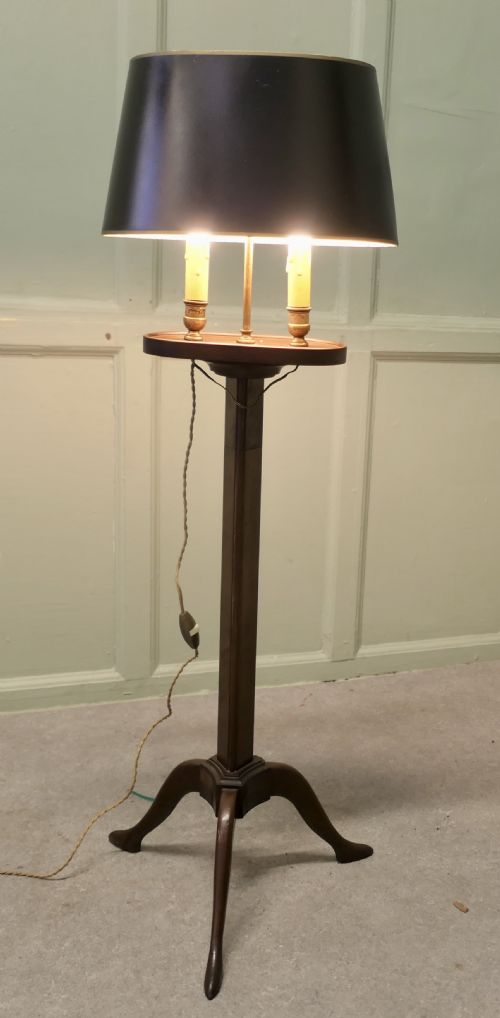
You meet various forms ranging from simple telescopic columns to oil-converting standards, reading lamps, and swivel configurations. Many pieces incorporate height-adjustable stems or tripod bases, while others feature decorative additions like wine tables or cranberry glass fonts.
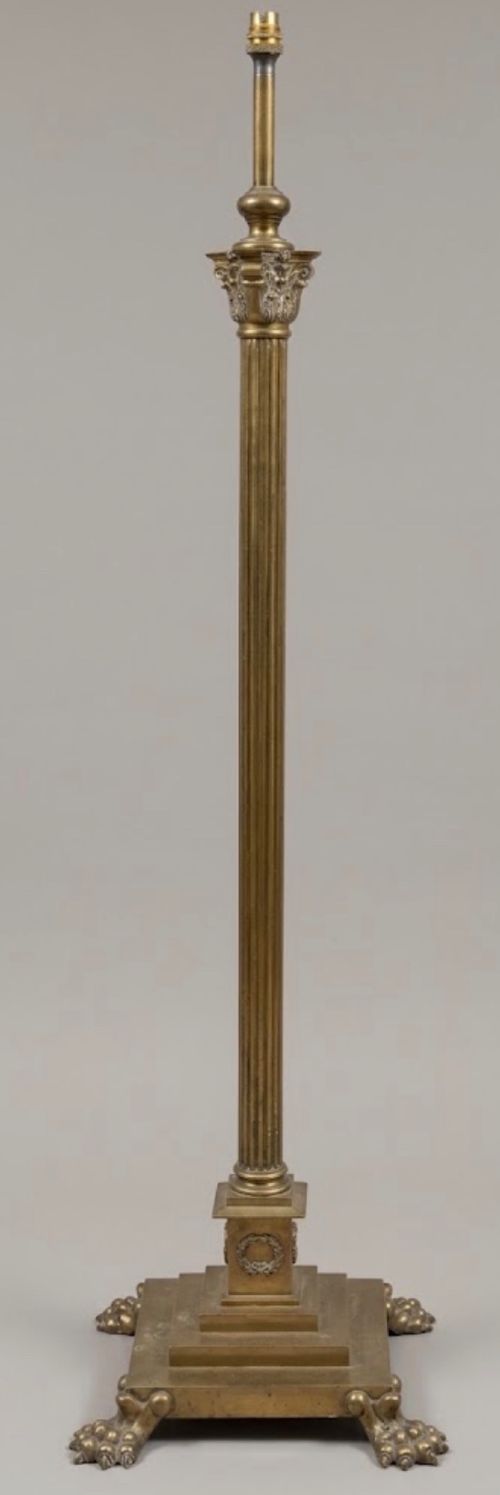
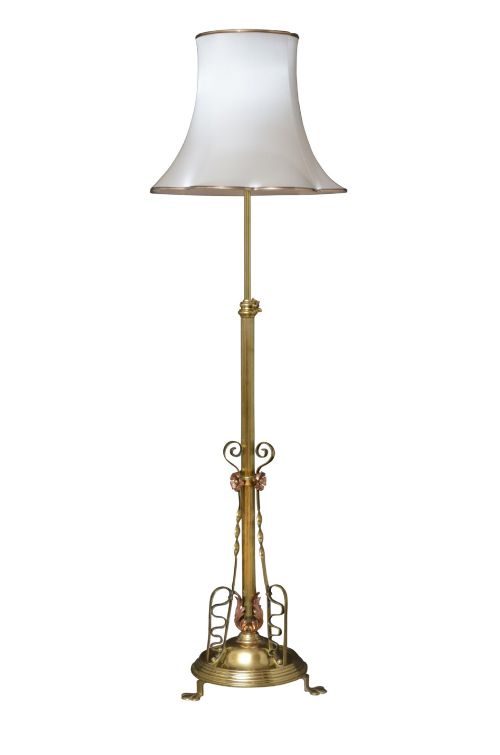
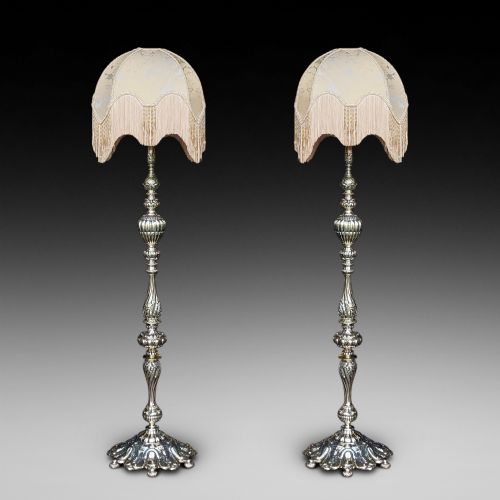
Stylistically, these pieces draw on Art Nouveau, Arts and Crafts, and Neoclassical vocabularies. The versions you most frequently encounter combine polished or patinated brass with copper details, heavy metal bases, and fabric or glass shades.
Materials and Construction
The primary material across these pieces is brass, often paired with copper, cast iron, or silver plate to create durable, weighted structures. Workshops utilised heavy cast bases and telescopic brass columns to ensure stability while allowing the height of the lamp to shift.
Many examples incorporate glass, particularly cranberry glass elements, alongside fabric components for shades and internal mechanisms for oil or early electric conversion. Metalworking techniques involve openwork casting, scrollwork arms, and patination to enrich the surface texture of the standard.
Edwardian Brass Floor Standard Retail Price Guide 2026
Typical asking prices for edwardian brass floor standard among the pieces listed under this phrase on Sellingantiques today, from the lower quarter to the upper quarter. They describe what is for sale here now, not the wider market.
Several standards double as wine tables, keeping a drink close at hand while illuminating the room.
Assessing Quality
Quality in an edwardian brass floor standard rests on the weight of the metal and the precision of the telescopic mechanism. Heavier cast bases and smoothly operating adjustment screws indicate superior construction designed to support height extension without tipping.
The refinement of the decorative detail separates standard production from finer examples. Crisp openwork on floral bases, well-executed Art Nouveau or Neoclassical motifs, and the integration of secondary metals like copper mark the upper tier of manufacture.
The Edwardian Brass Floor Standard Glossary
- Telescopic
- A style of shaft featuring nested tubes that allow the overall height of the lamp to extend or contract. This mechanism enabled users to adjust the reach of the light source.
- Standard Lamp
- A traditional British term for a floor lamp designed to stand upright without table support. These fixtures typically feature a heavy base and a tall central column.
- Corinthian
- A classical architectural order featuring an ornate capital decorated with acanthus leaves. On lamp standards, this appears as a detailed capital just below the light fitting.
- Bouillotte
- A type of lamp traditionally featuring a central candle or bulb arrangement alongside an adjustable shade. These pieces often incorporate a small circular tray base.
- Patination
- The natural or induced surface change on metal resulting from age and handling. This mellowing adds depth and character to brass and copper surfaces.
Edwardian Brass Floor Standard: Frequently Asked Questions
How do I adjust a telescopic floor lamp?
Telescopic lamps usually rely on a central key, screw, or friction collar located on the shaft. Loosening this mechanism allows the inner tube to slide upward or downward to the desired height.
Once positioned, tighten the key or collar securely to hold the column in place. Ensure you support the upper section with one hand while adjusting so the mechanism does not slip.
Were these lamps originally electric?
Many examples from the late nineteenth and early twentieth centuries began life as oil lamps or standard lighting fixtures before later conversion to electricity. Brass oil lamps utilised glass fonts and burners that were subsequently adapted for wiring.
Other pieces were manufactured specifically for early electric lighting or gas use. Conversions are standard practice for surviving examples used in contemporary homes.
How do I clean brass safely?
Cleaning requires a soft cloth and a gentle metal cleaner suited to unlacquered brass surfaces. Avoid abrasive pads or harsh chemical dips that strip away desirable patination.
Regular dusting with a dry microfibre cloth prevents grime buildup. If polishing, work lightly around engraved or cast details to preserve the definition of the metalwork.
What is a steamer lamp?
A steamer lamp refers to a specialised floor standard designed with a weighted, stable base and adjustable joints for use on ships or in compact spaces. These fixtures allowed light to be directed securely despite movement.
In domestic settings, they offered versatile reading light due to their articulated arms and swivel functions. Their robust build quality makes them particularly durable.