

Edwardian Brass Fittings
Edwardian brass fittings bring functional elegance and period craftsmanship to interiors, offering enduring metalwork that collectors prize for authenticity and detail.
Edwardian Brass Fittings
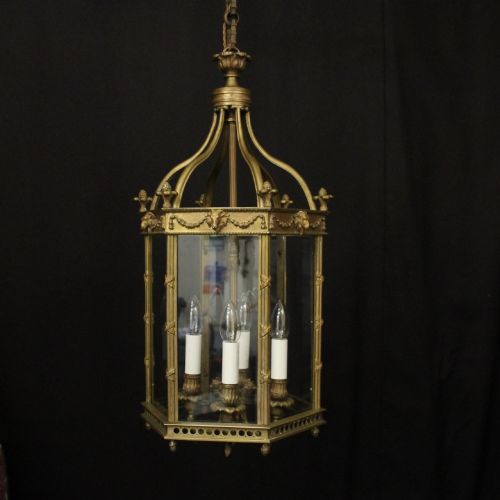
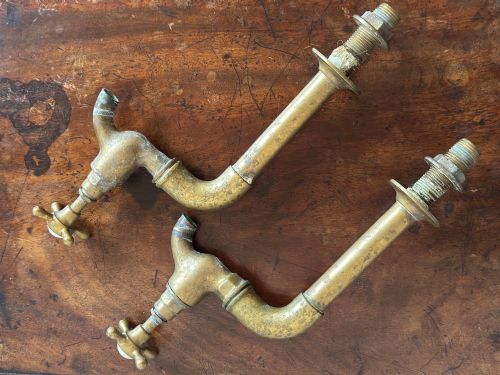
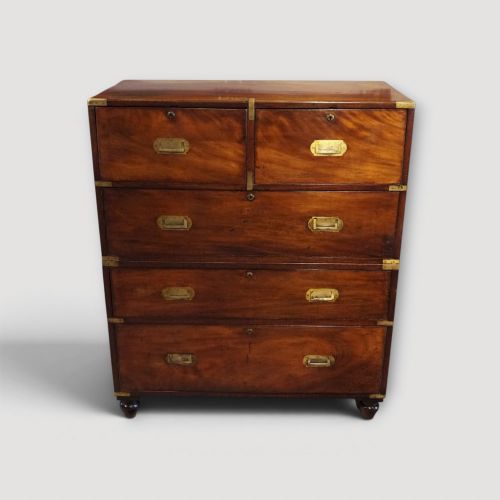
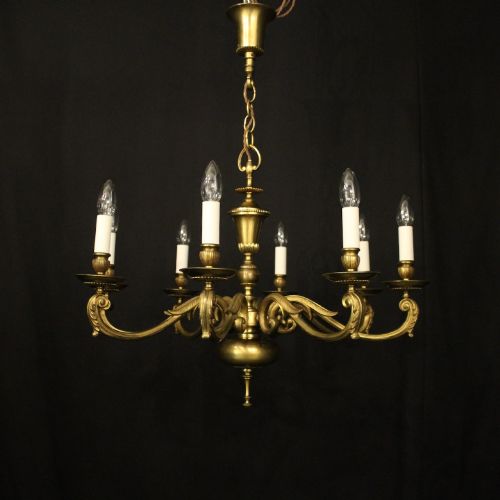
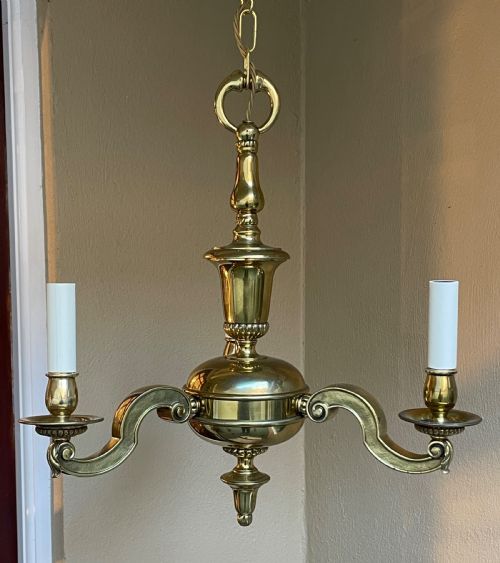
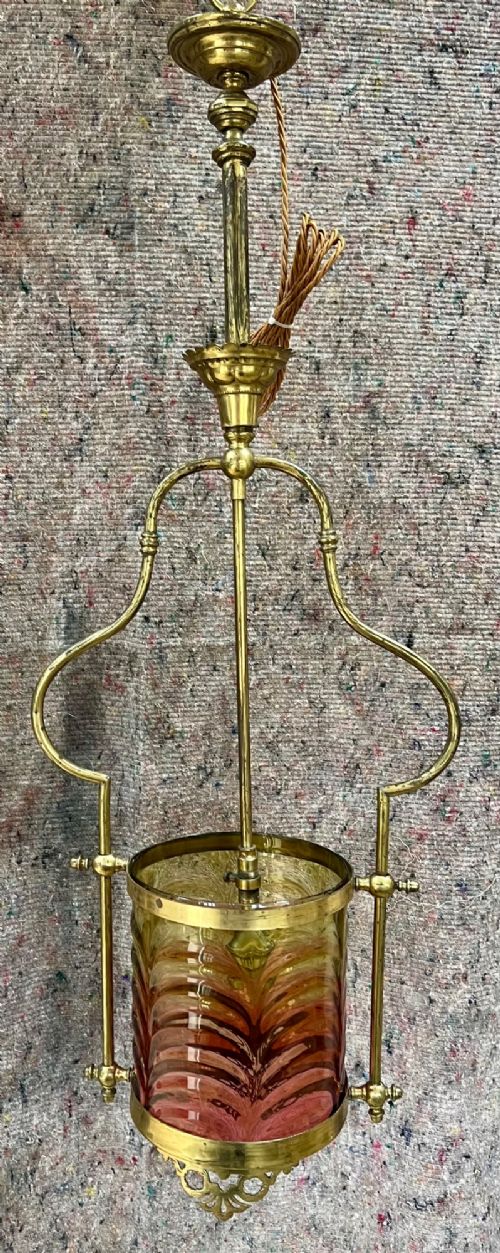
When you search for edwardian brass fittings, you encounter a diverse selection of hardware, lighting components, and structural elements spanning the early twentieth century and neighbouring eras. The material evidence on this page demonstrates that these metal pieces extend beyond simple utility into decorative hardware, utilitarian bib taps, and integrated components on cabinetry and campaign furniture.
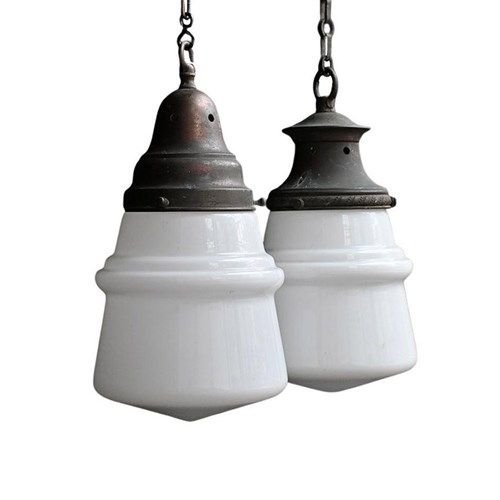
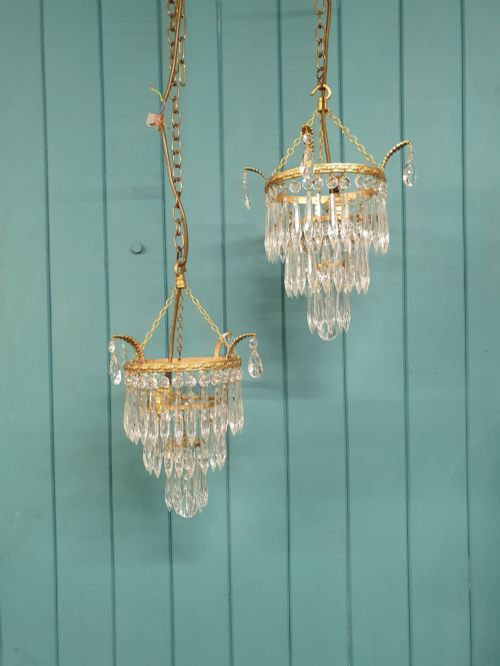
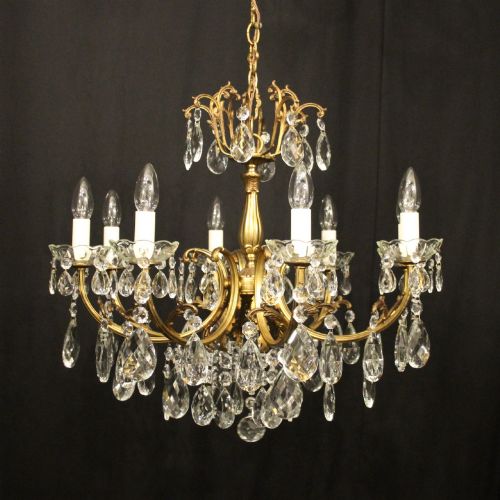
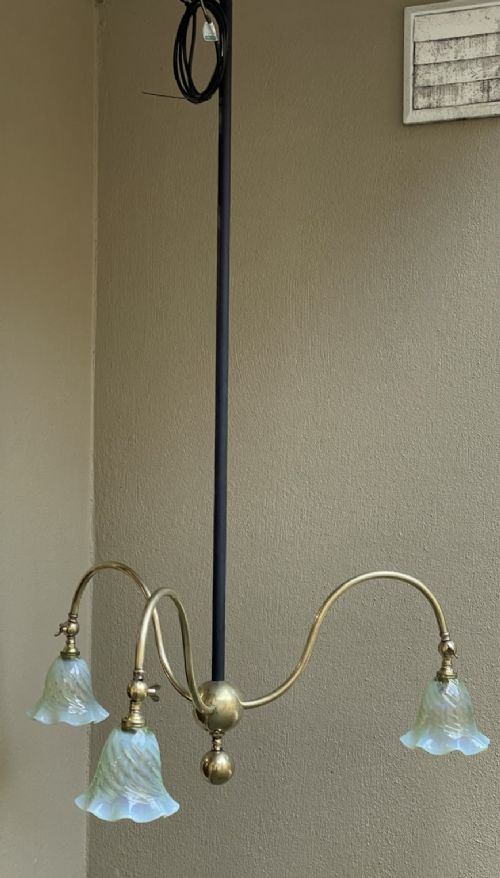
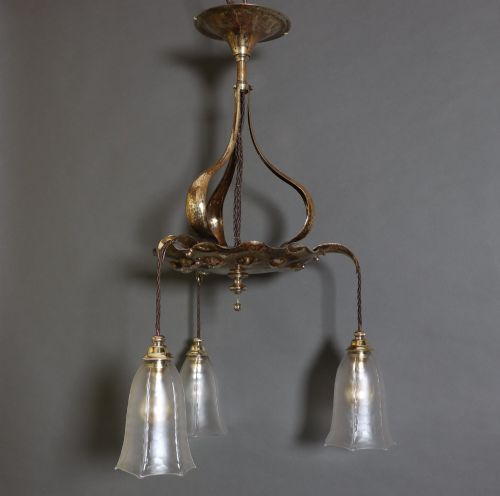
The assortment leans heavily toward lighting fixtures, chandeliers, and wall mounts alongside structural shop fittings and architectural hardware. While the label points to the Edwardian era, the listings encompass Victorian origins, 1930s creations, and pieces styled in French Chateau, Industrial, and Art Nouveau aesthetics.
How they were made
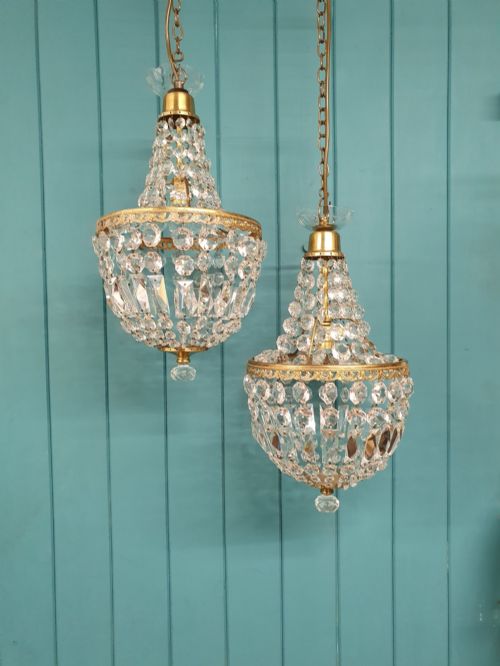
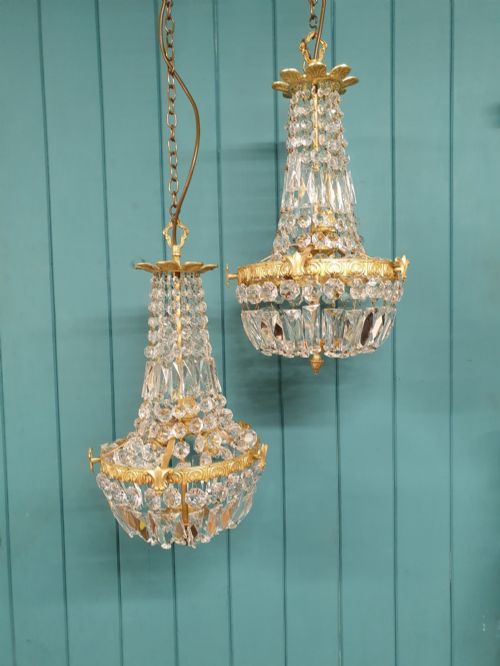
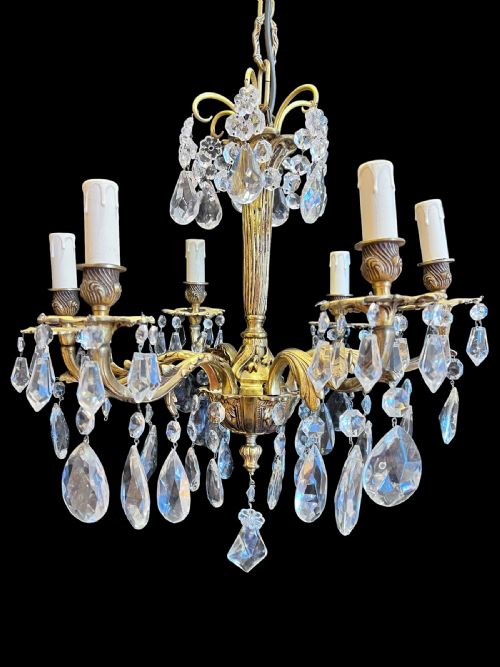
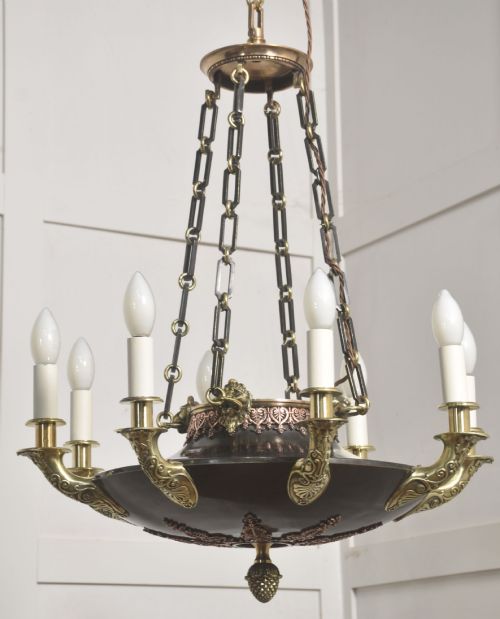
Makers utilised cast and forged brass, often combining the warm metal with cut glass crystals, mirrored glass, and mahogany timber foundations. Metal components range from plain cast brass to nickel-plated surfaces and gilded or ormolu finishes.
Construction techniques involve traditional casting, hand-beading of crystal prisms, and structural joinery suited to both domestic display and industrial utility. The integration of glass elements with metal frames requires precise mounting to support chandeliers and wall lights securely.
Edwardian Brass Fittings Retail Price Guide 2026
Typical asking prices for edwardian brass fittings among the pieces listed under this phrase on Sellingantiques today, from the lower quarter to the upper quarter. They describe what is for sale here now, not the wider market.
Listings combine Edwardian items with Victorian, 19th-century, and 1930s pieces, incorporating brass, glass, crystal, and mahogany across lighting and display forms.
What varies in quality
Quality rests in the crispness of the metal casting, the weight of the brass, and the clarity of any accompanying cut glass or crystal prisms. Superior examples exhibit finely chased details, such as lion masks or delicate foliage, rather than soft or repetitive factory stampings.
The integrity of the original finish also defines the standard, whether through the preservation of patinated bronze, high-grade nickel plating, or fire-gilding. Complete assemblies retaining their original glass drops and matching brass mounts command greater consideration.
The Edwardian Brass Fittings Glossary
- Spike chandelier
- A vertical lighting fixture featuring an elongated central spindle surrounded by cut glass crystals and brass mounts. These pieces project light through numerous prismatic drops.
- Ormolu
- Finely ground high-carat gold applied to a bronze or brass base using a mercury amalgamation process. This technique creates a rich, enduring metallic lustre seen on luxury decorative fittings.
- Bib tap
- A wall-mounted water tap with a nozzle that directs flow downward, frequently produced in solid brass for utilitarian or architectural settings. They represent the functional side of period metalwork.
- Bag chandelier
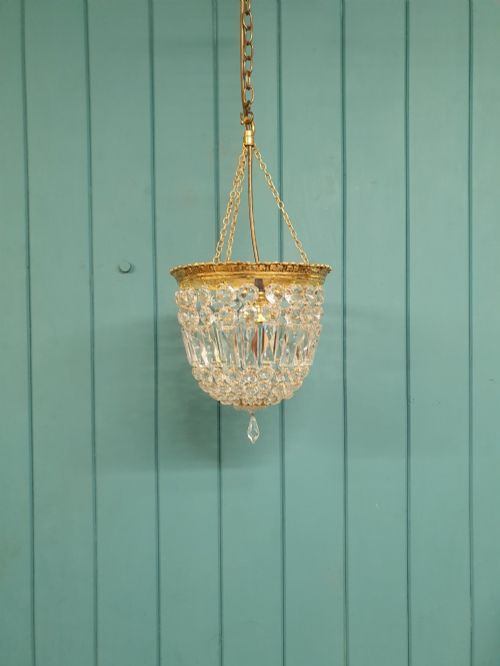
- A lighting fixture shaped like a tapered mesh or bag of glass beads that diffuses illumination softly across a room. They often incorporate decorative brass rings and drop prisms at the perimeter.
- Campaign furniture
- Portable folding furniture constructed from timber like mahogany, fitted with brass corners, straps, and recessed handles for military transport. The metal fittings reinforced the structure against rigorous travel.
Edwardian Brass Fittings: Frequently Asked Questions
How do I clean antique brass fittings?
Use a soft cloth to remove dust and gentle soapy water to lift accumulated grime without disturbing the historical patina. Avoid harsh chemical polishes that strip away the aged surface character.
Dry the metal thoroughly after cleaning to prevent spotting. Preserving the natural oxidation maintains the visual depth expected from early twentieth-century metalwork.
Can I install Edwardian brass lighting today?
Many period fixtures require rewiring by a qualified electrician to meet modern safety standards before ceiling mounting. Professional installation ensures that fragile components and original brass mounts support the weight safely.
Consult an expert who understands vintage wiring practices. This preserves the structural integrity of the antique frame while ensuring domestic compliance.
What rooms suit brass fittings best?
Halls, dining rooms, and studies provide ideal settings for reflective chandeliers and polished metal hardware. The warm tones of brass complement rich timbers like mahogany and traditional interior colour palettes.
Bathrooms and kitchens also benefit from functional brass fixtures such as taps and cabinet hardware. These elements add tactile historic detail to utilitarian spaces.
How do I date antique brass hardware?
Examine the manufacturing marks, casting methods, and fastening types used to assemble the piece. Hand-finished surfaces and integrated screw threads often indicate earlier nineteenth or early twentieth-century production.
Compare the aesthetic style, such as Art Nouveau curves or Victorian proportions, with documented examples from the same period. Consulting maker attributions or shop provenances also clarifies the timeline.