


Edwardian Brass Curb
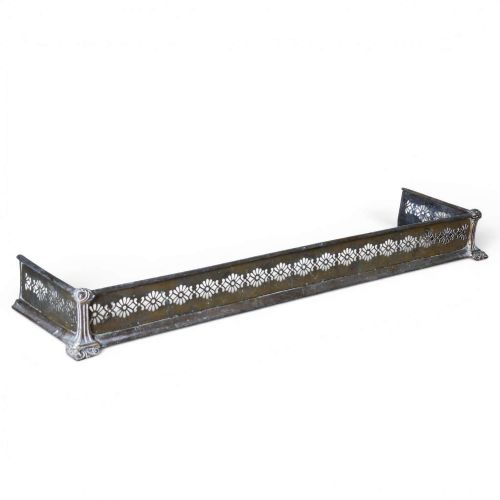
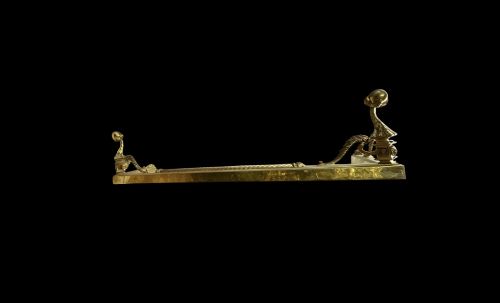
An Edwardian brass curb guards the hearth with polished metal and steady weight, keeping stray embers off the rug.
Edwardian Brass Curb
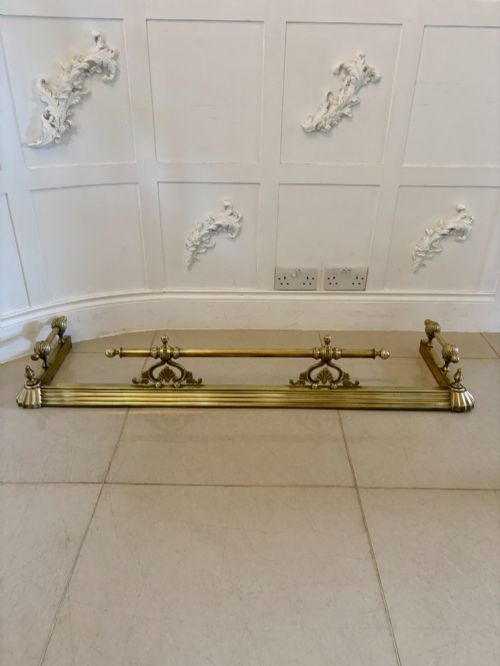
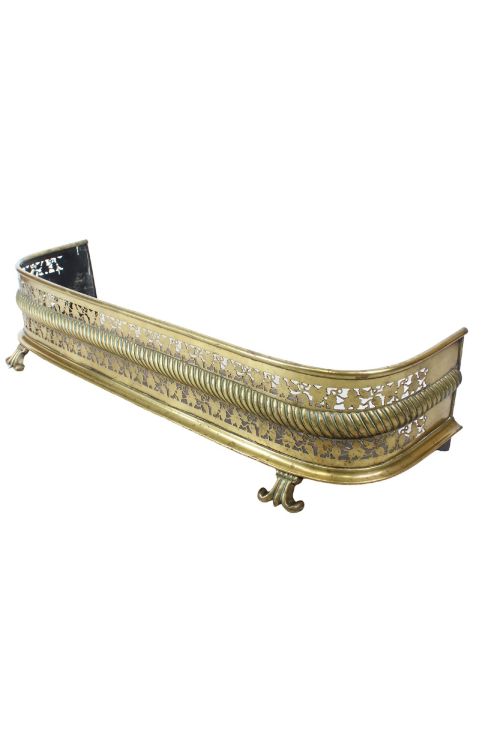
An edwardian brass curb, commonly catalogued as a fireplace fender or fire kerb, sits directly on the hearth to contain coal sparks and ash. Buyers seeking this phrase encounter sturdy metal frames designed to fit around domestic fireplaces.
Most examples appearing in these listings date from the Victorian and Edwardian eras, spanning the late nineteenth and early twentieth centuries. Alongside straightforward brass guards, makers combined steel, copper, iron, and occasional enamel cabochons.
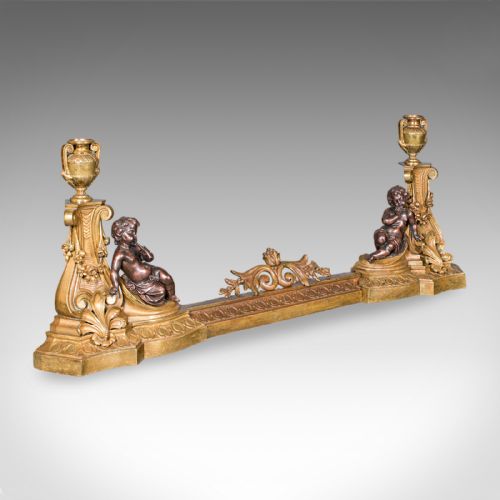
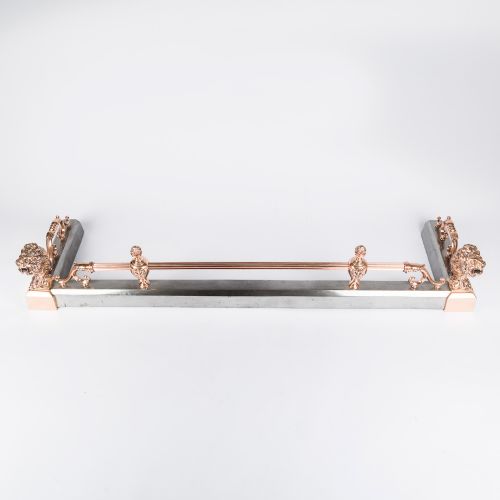
The selection ranges from simple extending rails to ornate scrolled designs and pieces incorporating matching fire irons. These hearth accessories reflect the domestic metalwork traditions of British workshops from the eighteen-eighties onward.
How they were made
Workshops constructed these curbs using sheet brass, tubular brass, and heavy cast elements secured over iron or steel foundations. Metalworkers utilised forming, riveting, and joining techniques to create rigid frames capable of withstanding hearth heat.
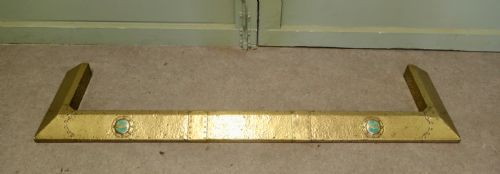
Surface finish depended on patination and polishing, with some pieces incorporating applied copper details or inset green enamel cabochons. Makers also produced adjustable mechanisms, allowing single fenders to fit varying fireplace widths.
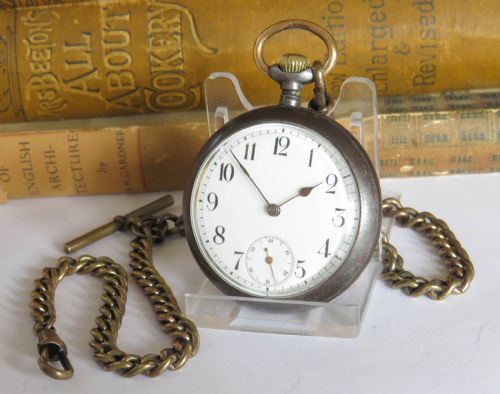
Object forms on this page include fireplace fenders, kerbs, and occasionally pocket watches alongside companion fire tools.
What varies in quality
Gauge and weight distinguish heavy commercial production from lighter utilitarian items, with thicker brass offering superior rigidity and resistance to denting. Solid cast decorative mounts and clean joinery indicate higher workshop standards.
The integrity of secondary metals like steel bases and the survival of original patination determine the overall caliber of a curb. Examples retaining integrated tool sets or unblemished enamel cabochons demonstrate more ambitious original manufacture.
The Edwardian Brass Curb Glossary
- Fender
- A low metal guard placed around the hearth to keep burning coals and sparks contained. It serves both a protective and a decorative function in the room.
- Curb
- An alternative term for a fireplace fender, often used interchangeably in period descriptions. It denotes the boundary framing the hearth stone.
- Cabochon
- A polished gemstone or enamel inset shaped with a smooth, convex top rather than facets. These decorative bosses frequently accent Arts and Crafts metalwork.
- Patina
- The surface sheen and colour acquired by metal through age, handling, and oxidation. Collectors value untouched patination over stripped or overly polished finishes.
- Extending
- A mechanical feature allowing the frame width to adjust via a sliding section. This enabled one fender to fit multiple hearth dimensions.
Edwardian Brass Curb: Frequently Asked Questions
How do I clean an old brass curb?
Maintenance depends on whether you prefer a bright polished finish or a mellow, undisturbed patina. Light dusting with a soft cloth preserves the historic surface without stripping accumulated age.
Avoid harsh chemical dips that remove natural darkening in recessed details. Gentle application of traditional metal polish suits brighter pieces, while unlacquered brass simply requires occasional wiping.
Are these curbs adjustable in width?
Many period examples feature telescopic or sliding mechanisms designed to alter the overall span. These extending variants suited homes where hearth sizes varied between rooms.
Checking the maximum and minimum dimensions ensures the metal frame spans your specific fireplace opening correctly. Fixed-width curbs require precise measurement of the hearth perimeter beforehand.
What is the difference between brass and copper on these pieces?
Brass is an alloy of copper and zinc, yielding a bright golden tone that polishes to high reflectivity. Copper appears as a distinct reddish metal, often used selectively for contrasting decorative panels.
Makers frequently paired a primary brass body with copper rivets, trays, or decorative highlights during the Art Nouveau period.
How do I date a fireplace fender?
Stylistic clues such as geometric Victorian casting or flowing Art Nouveau whiplash motifs indicate the manufacturing era. Material combinations, such as heavy gauge brass paired with steel bases, point toward late nineteenth or early twentieth-century production.
Construction methods also help, as hand-riveted joints and heavy cast ornaments generally precede mid-twentieth-century mass manufacturing techniques.