




Edwardian Brass Caddy
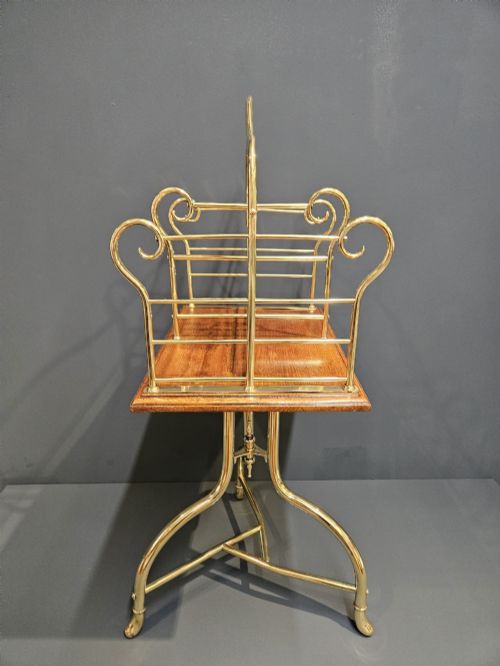
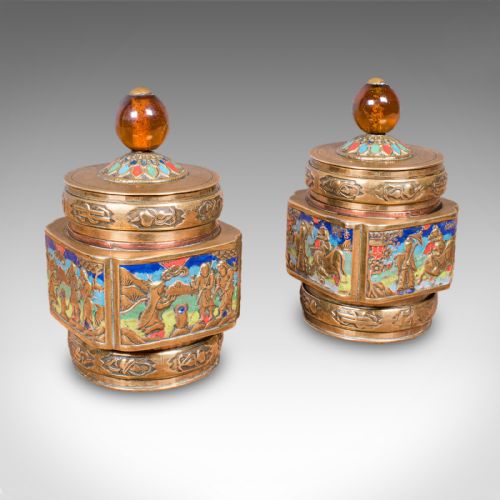
These edwardian brass caddy examples and related metal-mounted containers combine period utility with the warm gleam of turned and sheet brass.
Edwardian Brass Caddy
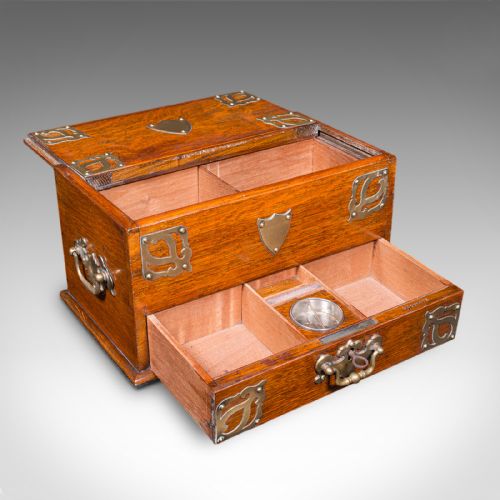
An edwardian brass caddy encompasses tea caddies, desk boxes, and mounted containers dating from the early twentieth century alongside related metal-accented forms. When searching for this phrase, buyers encounter a selection that includes period tea vessels, oak smokers boxes, and brass-bound cellarettes.
The material palette of these pieces relies heavily upon warm brass mounts, hinges, and bindings applied to timber carcases made of oak or mahogany. Many items integrate cut glass inserts or enamel details to enhance their functional domestic role.
How they were made
Construction relies upon traditional cabinet-making joints joining oak, mahogany, and mixed metals into sturdy boxes and stands. Brass components are cast, hand-beaten, or stamped before being fixed to the timber bodies using period screws and pins.
Surface finishing involves polishing the exposed metal highlights and sealing the wood with traditional polishes that accentuate the natural grain. Glass and enamel elements are secured within metal rims to protect the fragile interiors during daily use.
Edwardian Brass Caddy Retail Price Guide 2026
Typical asking prices for edwardian brass caddy among the pieces listed under this phrase on Sellingantiques today, from the lower quarter to the upper quarter. They describe what is for sale here now, not the wider market.
Keep an eye out for novelty biscuit boxes disguised as miniature hat boxes, proving Edwardian hosts loved a practical joke.
What varies in quality
Quality rests upon the crispness of the brass casting and the precision of the joinery uniting the metal to the wood. Heavier gauge metal fittings and well-fitted interior compartments distinguish finer examples from simpler utilitarian containers.
The overall integrity of the piece, including the original patination on the brass and the stability of the timber carcase, dictates its standing. Pieces retaining intact glass inserts and functional hinges command greater interest.
The Edwardian Brass Caddy Glossary
- Brass
- A copper and zinc alloy valued for its bright golden appearance and durability when used for decorative mounts and hinges. It develops a natural patina over time.
- Caddy
- A small container originally designed for storing tea leaves, though the term extends to similar lidded boxes for tobacco or biscuits. These vessels often feature internal compartments.
- Cellarette
- A lockable container or cabinet designed to hold bottles of wine or spirits securely. They frequently incorporate heavy brass carrying handles and internal dividers.
- Champleve
- An enamelling technique where troughs are dug into a metal surface and filled with vitreous enamel before firing. This ornamentation appears on decorative metalwork.
- Tantalus
- A locking beverage stand that holds decanters visible while preventing access without a key. They are typically framed in oak with substantial brass locking bars.
Edwardian Brass Caddy: Frequently Asked Questions
What is an edwardian brass caddy used for?
These boxes served as secure desktop or tabletop containers for storing loose tea, tobacco, or small personal valuables in period homes.
Today, they function well as decorative display objects on sideboards or mantelpieces while keeping small household items concealed.
How do I date an edwardian piece?
Dating relies upon examining the construction methods, screw types, and style influences visible in the timber and metal mounts. Edwardian items often bridge Victorian heft with lighter, revivalist decorative motifs.
Comparing the hardware styles and lock mechanisms with known production eras helps confirm the exact period of manufacture.
Are brass mounts original to the wood?
Original mounts typically show consistent wear, patination, and fit that matches the age of the timber carcase beneath them. Look for undisturbed wood grain around the screw heads.
Replacement hardware often leaves filled pilot holes or displays a brightness that contrasts sharply with aged timber.
How should I clean antique brass?
Antique brass requires gentle dusting and occasional cleaning with a soft cloth to preserve the accumulated dark patination valued by collectors. Avoid harsh chemical polishes that strip away age.
Keeping the metal dry prevents corrosion and maintains the subtle lustre characteristic of early twentieth-century surfaces.