



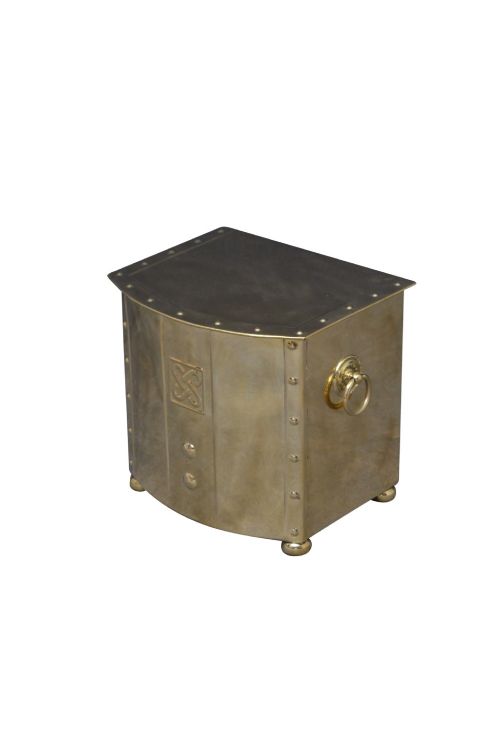


Edwardian Brass Bin
An edwardian brass bin is a functional fireside container designed to hold coal or logs while bringing polished metal warmth to a room.
Edwardian Brass Bin
An edwardian brass bin is a functional hearth accessory designed for holding coal, logs or kindling beside the fireplace. When you search for this phrase, you encounter vessels formed from sheet brass, often paired with wooden bodies or copper accents.
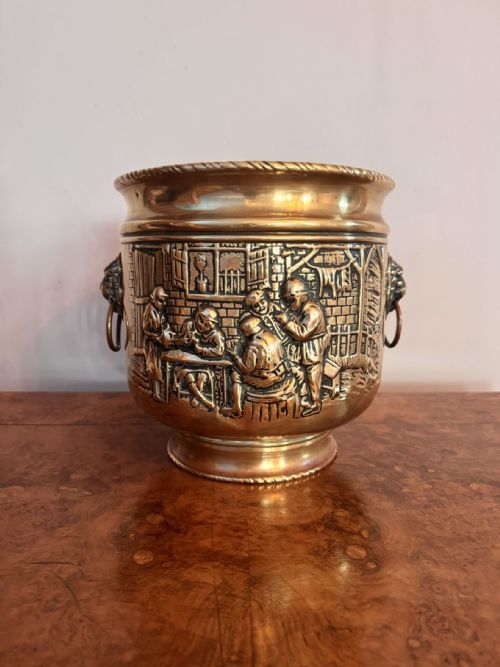
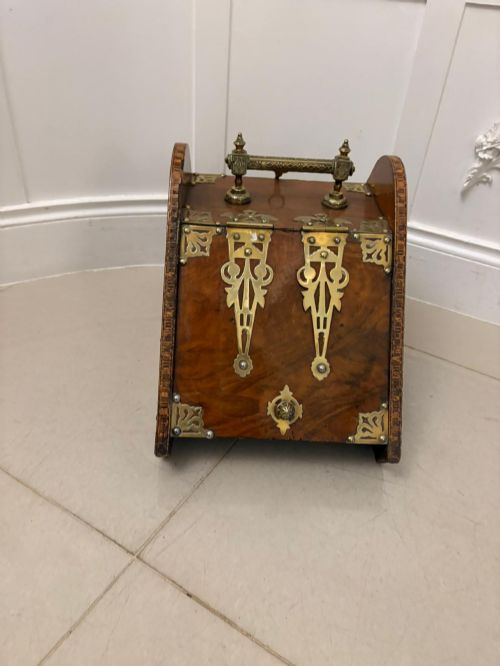
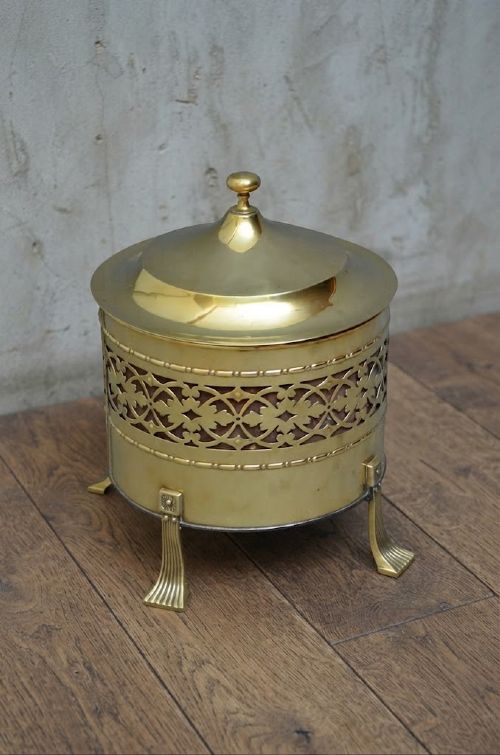
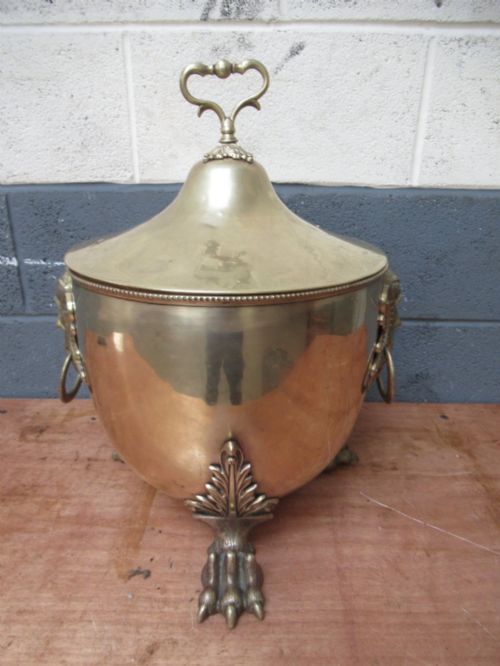
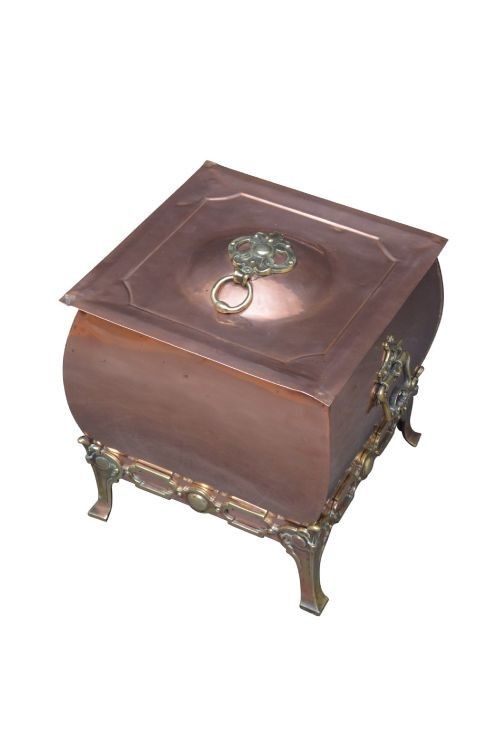
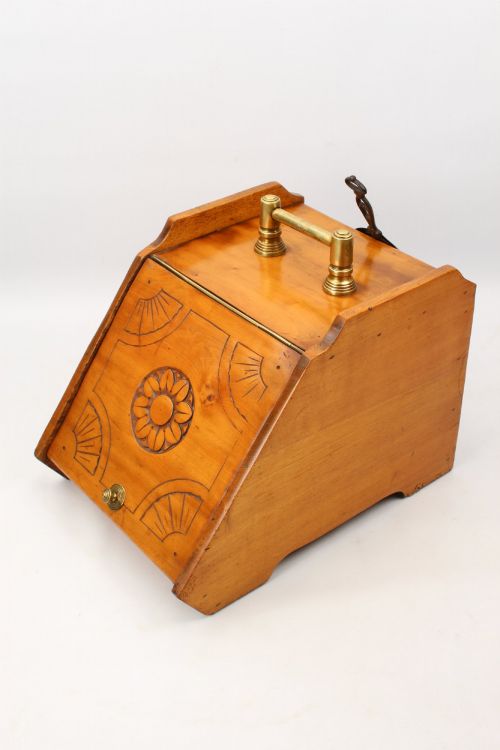
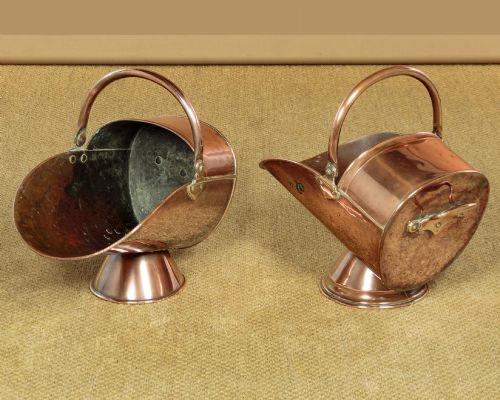
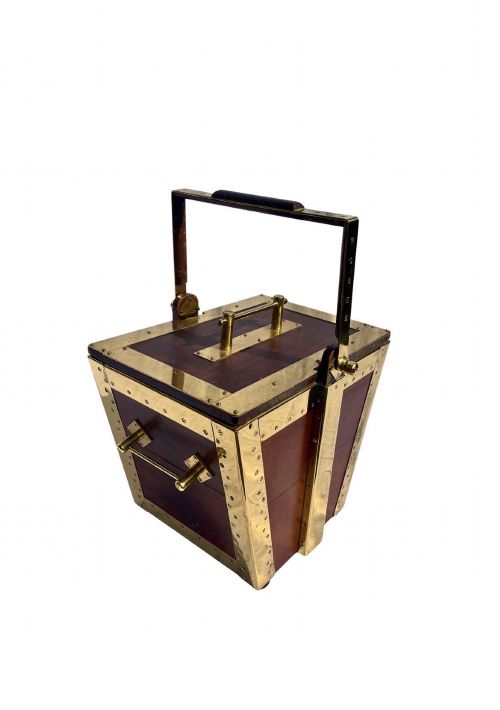
The pieces on this page span several decades around the turn of the twentieth century, taking forms such as cylindrical buckets, lidded boxes and sloping purdoniums. Many examples feature swing handles, ball feet and internal metal liners intended to contain fuel residue.
Alongside purely domestic fuel storage, the selection includes related fireside containers and umbrella stands that share the same metalworking traditions. These objects combine utility with decorative presence, serving as focal points within period hearth settings.
How they were made
Makers formed these containers using sheet brass and copper, frequently hammering, spinning or pressing the metal to achieve rigid bodies and curved profiles. Rivets, dovetail joints and brass mounts secured the metallic elements to internal wooden carcases made from oak, walnut or mahogany.
Decorative detailing relied on hand-beating, repoussé work and fretwork piercing, particularly within Arts and Crafts and Art Nouveau designs. Wooden coal boxes and purdoniums often incorporated carved panels, boxwood stringing or brass handles fixed with threaded bolts.
Edwardian Brass Bin Retail Price Guide 2026
Typical asking prices for edwardian brass bin among the pieces listed under this phrase on Sellingantiques today, from the lower quarter to the upper quarter. They describe what is for sale here now, not the wider market.
The inventory records stylistic expressions ranging from ornate Rococo Revival forms to geometric Art Nouveau and austere Arts and Crafts designs.
What varies in quality
Quality reveals itself in the weight of the metal gauge and the integrity of the construction, where heavier brass sheets and robust internal liners distinguish superior examples from lighter, purely decorative items. The precision of the joinery on wooden bodies and the crispness of any embossed or pierced ornament further separate standard production from finer workshop output.
Originality of components also dictates standing, with surviving inner liners, matching shovels and undisturbed brass mountings maintaining the integrity of the piece. Subtle details such as hand-finished riveted seams and well-turned wooden feet indicate attentive craftsmanship during the manufacturing process.
The Edwardian Brass Bin Glossary
- Purdonium
- A specialised coal cabinet featuring a sloping front door that drops forward to reveal an internal metal tipping box. This form kept domestic fuel neatly enclosed within a fitted wooden housing.
- Repoussé
- A metalworking technique where the artisan hammers the reverse side of sheet brass or copper to create a raised relief design on the front. This method was widely used during the Arts and Crafts period.
- Coopered
- Constructed from vertical wooden staves bound together with metal hoops, a method traditionally used for barrels and casks. This technique appears on round or oval wooden log buckets and umbrella stands.
- Planter
- An alternative vessel form sharing the exact dimensions and metallic construction of a coal bucket. Many brass bins served a dual purpose or were adapted for horticulture in later domestic settings.
Edwardian Brass Bin: Frequently Asked Questions
What is an edwardian brass bin used for?
These vessels served primarily as clean, enclosed storage for coal, logs or kindling beside an active fireplace. Their metal construction and fitted inner liners prevented dust and debris from spilling onto hearth rugs.
Beyond functional fuel storage, many homeowners utilised them as decorative umbrella stands or large indoor planters. Their polished surfaces reflected firelight, adding warmth and visual weight to Edwardian and Victorian interiors.
How do you clean an antique brass bin?
Cleaning requires a soft cloth and a gentle, non-abrasive metal polish formulated specifically for brass to remove accumulated tarnish without scratching the surface. Vigorous scrubbing should be avoided, particularly on hand-beaten or repoussé areas where excessive pressure can flatten delicate relief work.
Many collectors prefer to leave a warm, aged patina on older pieces rather than polishing them to a brilliant shine. Protecting the interior from moisture helps preserve the original metal liner and prevents active corrosion.
Are these bins waterproof inside?
Many examples include removable metal liners made from galvanised steel or zinc designed to hold damp coal or logs safely. These inserts protected the outer wooden frames and brass bodies from direct contact with moisture and dirt.
If a piece lacks its original liner, modern waterproof inserts can be fitted inside if the container is repurposed as a plant holder. Checking the base for watertightness is essential before introducing live plants or standing water.
How do I date a brass coal bin?
Dating relies on stylistic clues, construction methods, and materials that align with specific design movements such as Arts and Crafts, Art Nouveau or Late Victorian revival styles. Edwardian pieces often display lighter proportions and simpler geometric brass mounts compared to heavier Victorian counterparts.
Hardware details like screw types, handle mountings and the presence of machine-made versus hand-finished components provide further chronological context. Examining the timber species used in wooden bodies also helps narrow the manufacturing window.