






Edwardian Bone China
Edwardian bone china brings together delicate floral hand-painting and rich gilding from Britain's premier historic potteries.
Edwardian Bone China
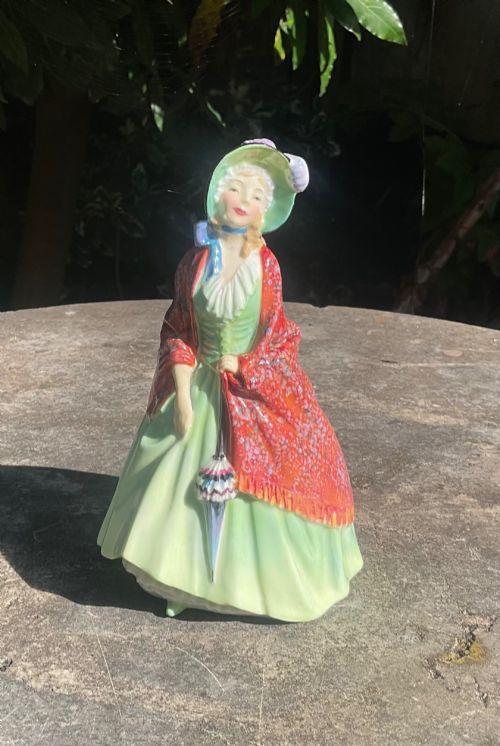
Edwardian bone china encompasses refined tableware and decorative items produced by major English porcelain works around the turn of the twentieth century. These pieces include hand-painted cabinet plates, intricate vases, and matching tea services decorated with traditional patterns.
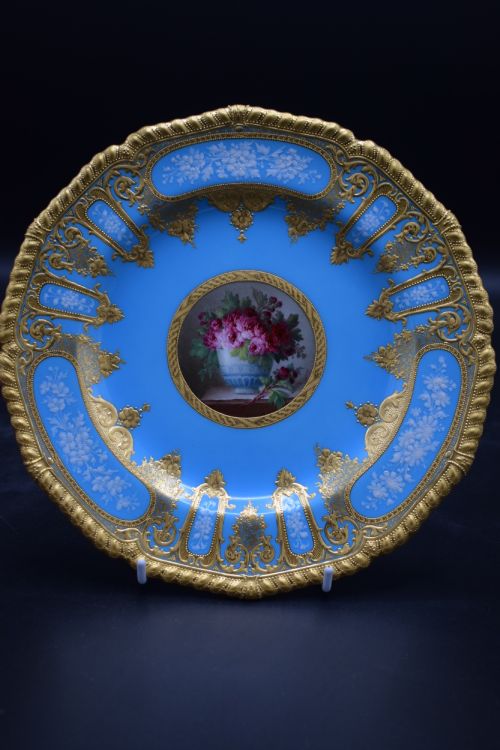
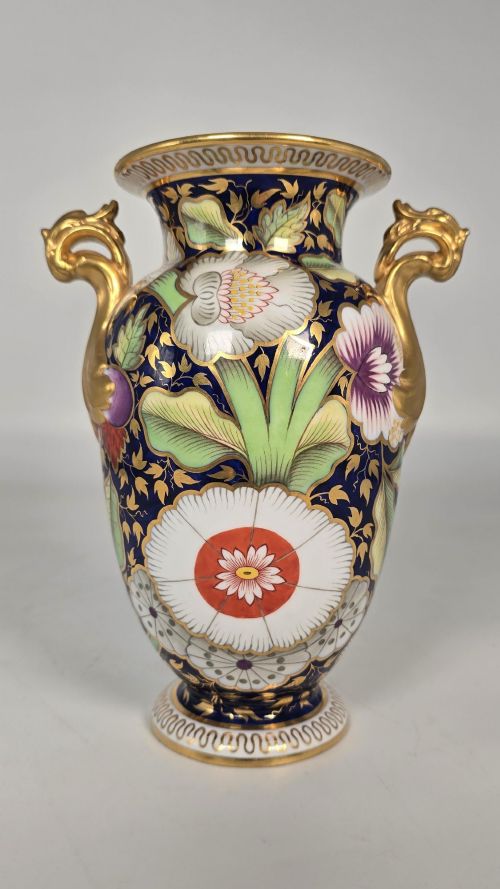
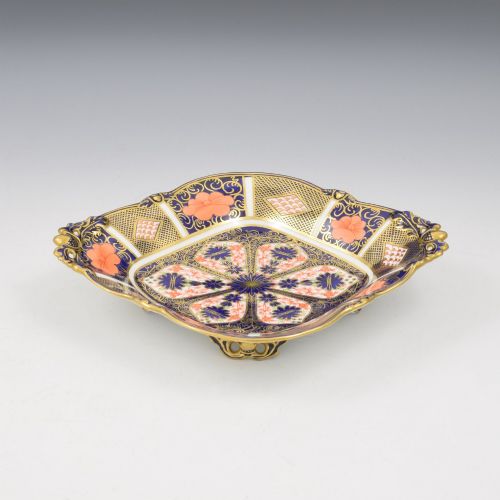
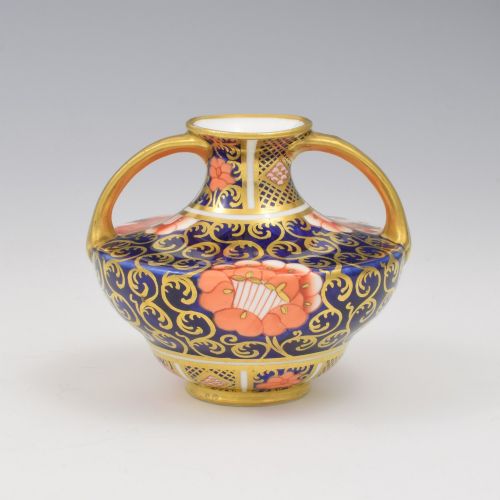
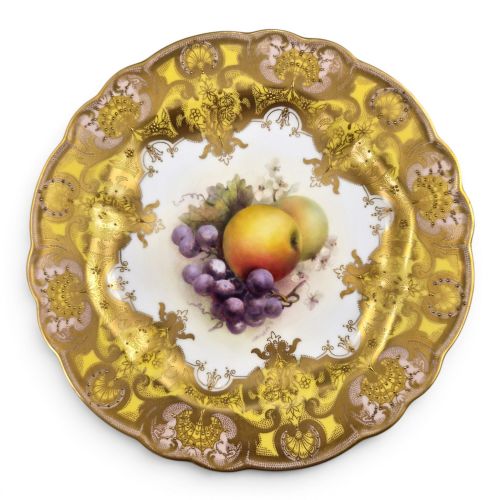
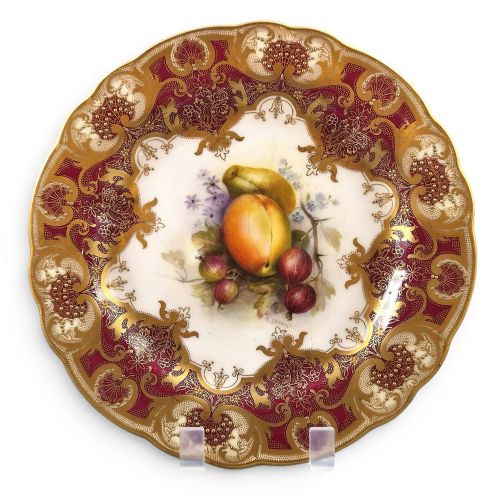
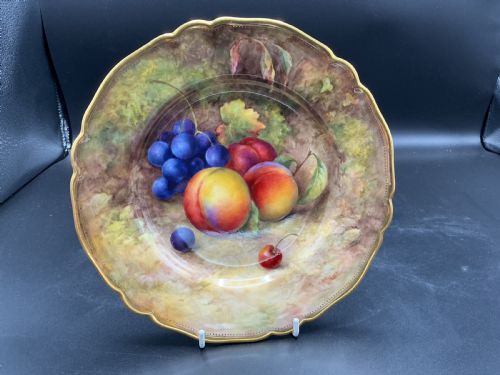
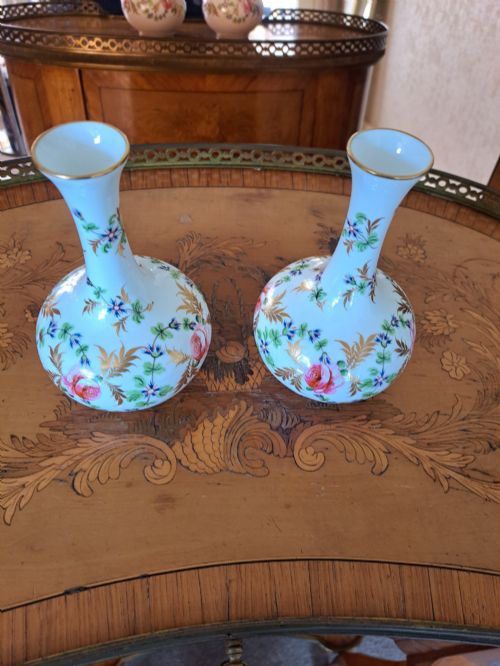
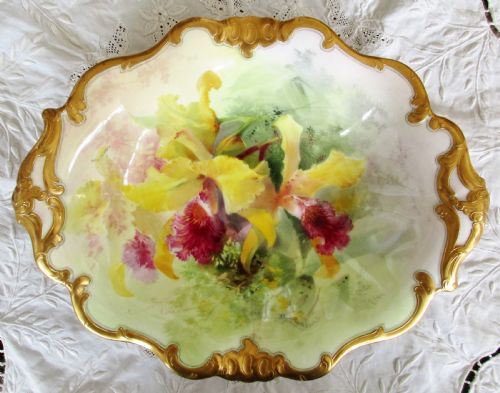
The selections on this page lean heavily toward cabinet plates and decorative vessels produced by workshops such as Royal Worcester and Royal Crown Derby. Collectors encounter everything from fruit-painted dessert dishes to miniature twin-handled vases bearing detailed Imari designs.
While many objects align with the Edwardian period, the listings extend across Victorian and early twentieth-century decades up to the nineteen-forties. This temporal breadth captures the continuous output of classic English ceramic design.
Materials and Technique
The foundation of these items is bone china and porcelain, fired to create a strong, bright white body capable of holding fine detail. Potters shaped these materials into serving dishes, urns, and cups before applying underglaze patterns and hand-painted motifs.
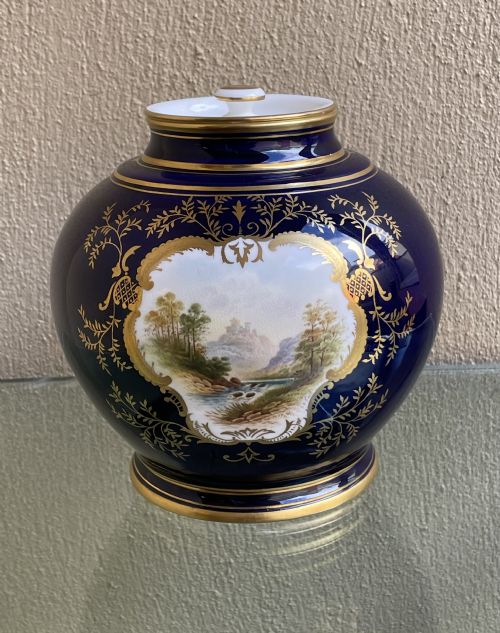
Decoration relied on skilled artists painting subjects like fruit, flowers, and landscapes directly onto the ceramic surface. This work was often finished with gold leaf, gilding, and gilt highlights around the rims and handles.
Edwardian Bone China Retail Price Guide 2026
Typical asking prices for edwardian bone china among the pieces listed under this phrase on Sellingantiques today, from the lower quarter to the upper quarter. They describe what is for sale here now, not the wider market.
Listings feature porcelain and bone china forms decorated with gold leaf, gilding, and enamel, spanning Victorian to 1950s periods.
Evaluating the Work
Quality rests upon the skill of the individual artist and the complexity of the underlying pattern. Pieces painted by recognised studio artists display a depth of brushwork and naturalism that elevates them far above standard factory output.
The application of gilding and the crispness of transfer-printed or hand-drawn Imari details also dictate the standing of a piece. Finer items exhibit precise gold leaf work and unblemished porcelain bodies that retain their intended brilliance.
Royal Crown Derby·Royal Worcester·Royal Doulton·Coalport·Wedgwood·Wileman Foley Shelley·Royal Albert Crown China
The Edwardian Bone China Glossary
- Bone china
- A type of porcelain containing animal bone ash, producing a durable, milky-white body suited to delicate forms. It allows for thinner walled vessels without sacrificing structural integrity.
- Cabinet plate
- A decorative ceramic plate intended for display in a cabinet rather than for dining use. These often feature elaborate hand-painted scenes by named artists.
- Imari
- A decorative style characterised by underglaze blue, iron red, and abundant gilt highlights, originating in Japan and widely copied by English potteries. Royal Crown Derby utilised this palette extensively.
- Gilding
- The application of gold leaf or gold paint to ceramic surfaces, particularly around rims and handles. Higher quality pieces show heavier, burnished gold application.
- Lustre
- A ceramic glaze containing metallic oxides that produce an iridescent sheen. Wedgwood produced notable lustre wares during the early twentieth century.
Edwardian Bone China: Frequently Asked Questions
How do I identify Edwardian bone china?
Identification relies on examining the backstamps, patterns, and stylistic markers associated with early twentieth-century English potteries. Many pieces carry factory marks that correspond to specific registration years or operational periods.
Style also offers strong clues, as Edwardian pieces frequently combine late Victorian ornamentation with lighter floral motifs or revival patterns. Comparing the piece to documented works by makers like Royal Worcester helps confirm the date.
Were these pieces used for dining?
While many items originated as functional tea sets and serving dishes, a significant portion of surviving stock consists of decorative cabinet plates and vases. Items painted by notable artists were created primarily for visual display.
Practical tableware saw regular use in Edwardian households, whereas cabinet pieces remained protected behind glass. Evaluating the wear on the surface helps determine whether an object served a domestic or decorative function.
What is the Imari pattern on these ceramics?
The Imari style adapts traditional Japanese export porcelain designs featuring deep cobalt blue, rust red, and heavy gilding. English potteries like Royal Crown Derby adopted this palette to create striking geometric and floral arrangements.
These patterns required multiple firings to fix the colours and the gold leaf properly. The resulting high-contrast aesthetic remained popular across the Victorian and Edwardian eras.
How should I display cabinet plates safely?
Cabinet plates require stable wall mounts or specialised display stands designed to distribute weight evenly without putting pressure on the edges. Placing them away from direct sunlight protects the painted enamels and gilding from fading over time.
For enclosed cabinets, ensure the shelves are secure and the plates cannot slide or tip forward. Gentle handling during placement prevents chipping the delicate porcelain rims.