
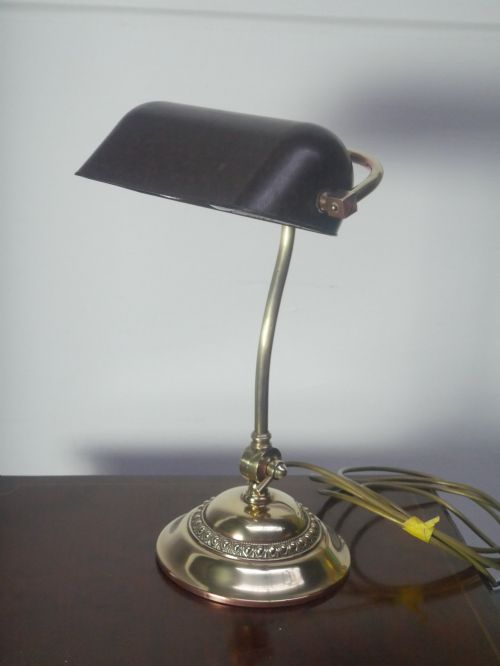


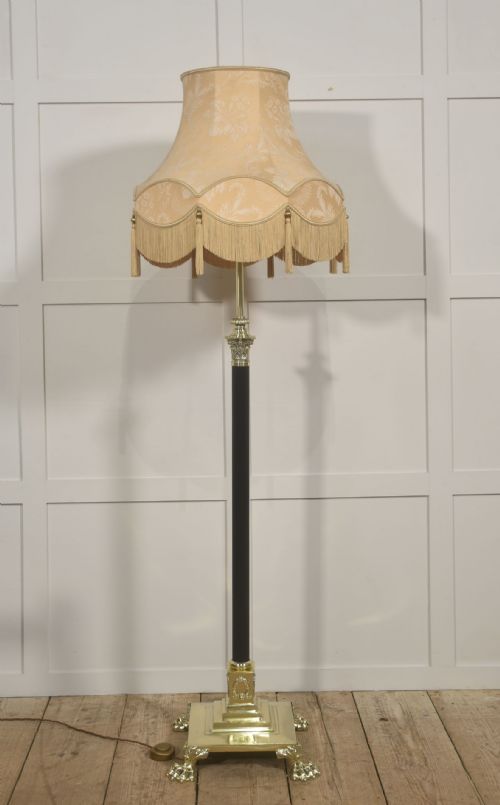

Edwardian Adjustable Reading Lamp
An edwardian adjustable reading lamp brings flexible task lighting and period character to a room through telescopic stems and swivel arms.
Edwardian Adjustable Reading Lamp
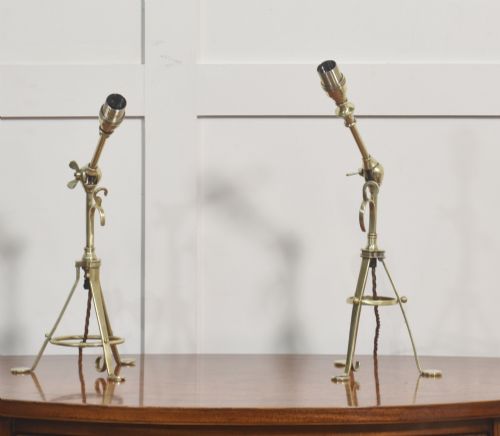
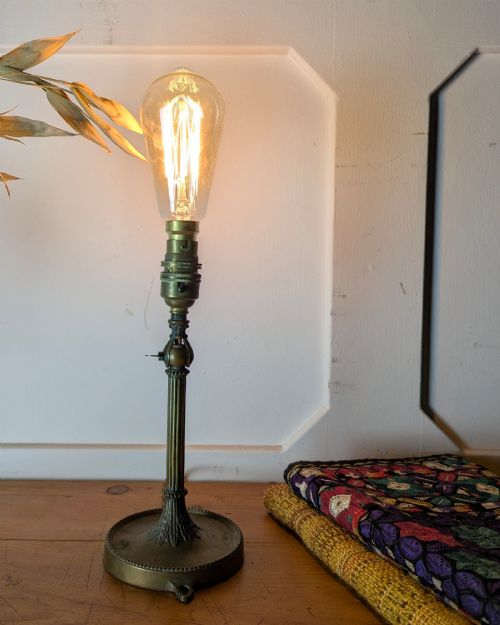
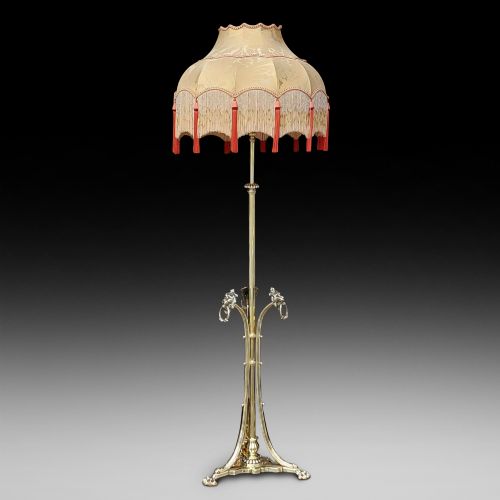
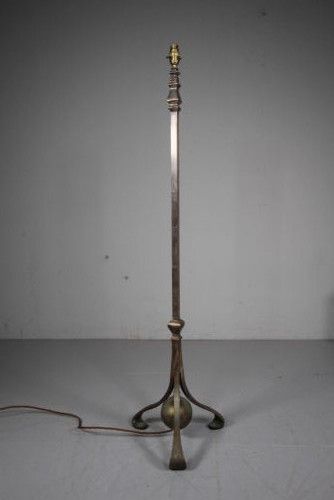
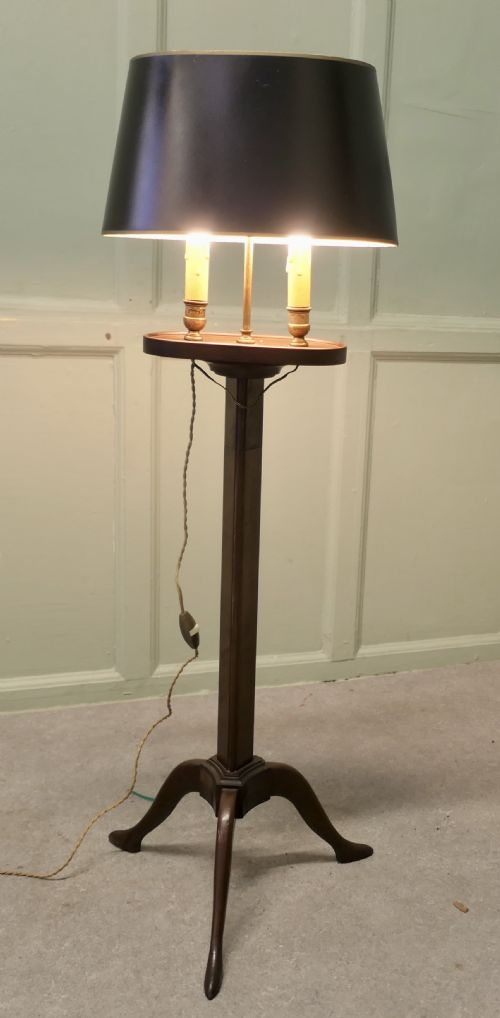
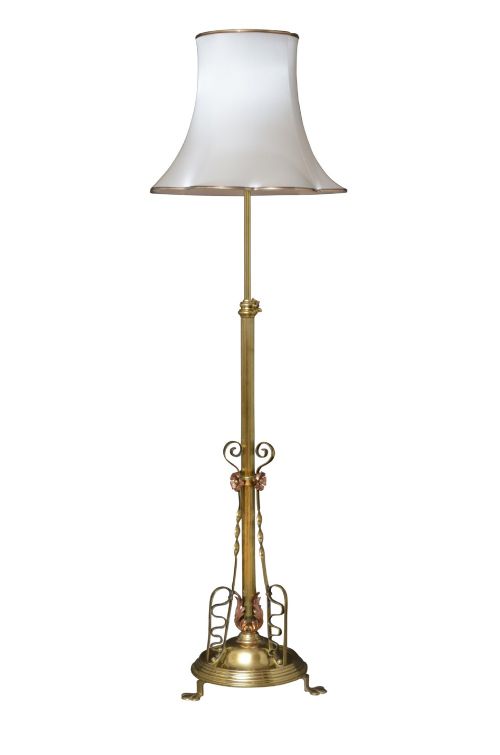
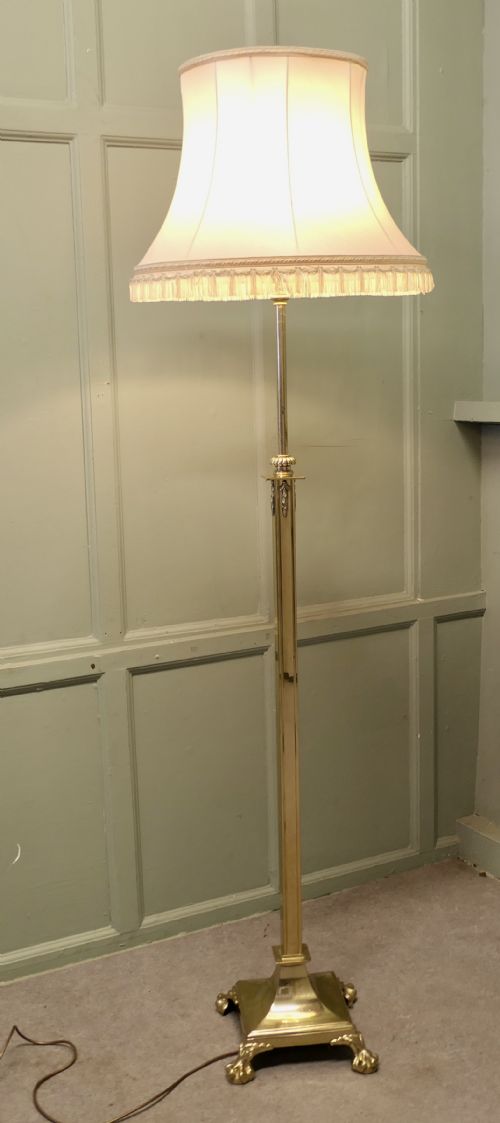
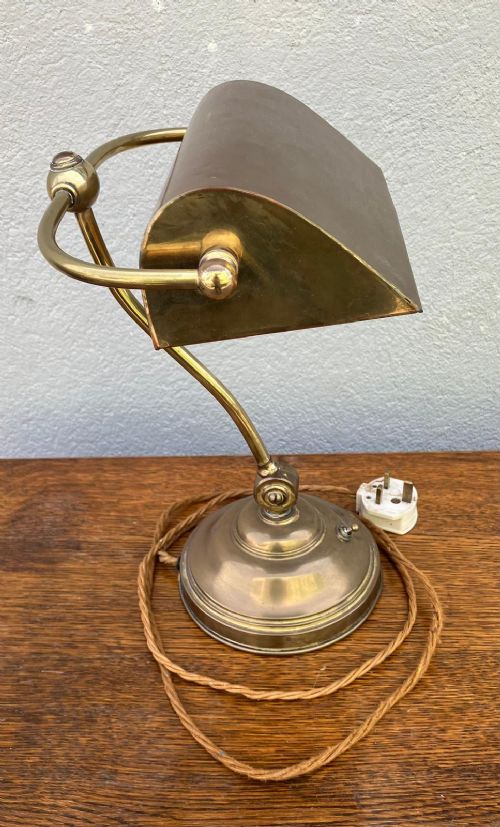
An edwardian adjustable reading lamp combines period metalwork with mechanical height adjustment for direct task illumination. You will frequently encounter standard floor lamps and desk lamps featuring telescopic brass stems designed to raise or lower the light source.
Makers of the period adapted oil lamp mechanisms and gas standards for electric bulbs, incorporating swivelling joints and swan neck arms. These pieces range from heavy floor-standing models with tripod bases to compact table lamps suited for desks and reading tables.
The materials reflect the manufacturing standards of the era, pairing heavy cast metals with functional shades in glass, fabric, or silk. Examples span desk, floor, and wall-mounted formats that bring targeted illumination to specific corners of a room.
Materials and Construction
These lamps rely primarily on brass, copper, and bronze, often combined with heavy bases of marble or onyx for stability during height adjustments. Telescopic mechanisms utilise inner and outer sliding tubes secured by threaded keys or friction collars.
Shades and diffusers employ cranberry glass, silk, fabric, and standard glass elements that soften the direct output of early electric bulbs or converted oil burners. Wrought iron and silver plate also appear on specific Arts and Crafts and neoclassical revival pieces.
Joints and swivel mechanisms are engineered to hold position under tension, utilising screw keys, gimble pivots, and swan neck curves. Wiring channels run internally through hollow stems or externally along scroll arms depending on the decade of manufacture.
Some resilient brass lamps served double duty on ships and trains before finding permanent homes on dry land.
Distinctions in Quality
The distinction between standard production and superior craftsmanship lies in the weight of the metal castings and the precision of the telescopic mechanism. Finer examples maintain smooth vertical travel without wobble, using substantial gauge brass and solid weighted bases.
Design detail separates simple utilitarian lighting from decorative works, seen in hand-hammered Arts and Crafts surfaces, cast neoclassical column details, and quality secondary materials like onyx and cranberry glass. Maker attribution, such as work associated with W.A.S. Benson or Messenger, elevates the provenance.
The integrity of original swivel joints and functional adjustment screws indicates the standard of factory execution. Pieces retaining matched components, original shades, and robust structural proportions represent the upper tier of surviving examples.
W.A.S. Benson·Messenger
The Edwardian Adjustable Reading Lamp Glossary
- Telescopic
- A construction method utilising concentric tubes that slide within one another to alter the overall height of the standard lamp. This mechanical feature allowed users to raise or lower the light source for reading.
- Swan Neck
- A curved arm resembling a bird's neck that positions the bulb holder away from the central vertical stem. This shape permits directional adjustment of the light beam over a desk or chair.
- Cranberry Glass
- A rich pinkish-red glass produced by adding gold chloride to the molten batch, often utilised for decorative lamp shades. The colour deepens when illuminated from within.
- Gimble
- A pivoting ring mounting that allows a lamp body to tilt and remain level regardless of the angle of its support. Originally deployed on ships and trains to counter motion.
- Standard Lamp
- A floor-standing lighting fixture designed to illuminate a room from a vertical post mounted on a heavy base. These pieces often incorporate adjustable height columns.
Edwardian Adjustable Reading Lamp: Frequently Asked Questions
How do I adjust the height safely?
Loosen the thumbscrew or collar on the telescopic stem gently while supporting the upper section with one hand. Slide the inner tube to the desired level and tighten the fastener securely before letting go.
Avoid forcing stuck sliding mechanisms, as older brass tubes can bind if lifted at an angle. Apply a light lubricant if movement feels restricted over time.
Were these lamps originally electric?
Many examples began life as oil lamps or gas standards before being converted to electricity during the early twentieth century. Standard floor lamps often retain weighted bases originally designed to stabilize tall oil reservoirs.
Conversion work was frequently carried out by period makers or later owners updating domestic interiors. Check the wiring channels and switch placements to understand the history of the fitting.
How do I clean antique brass safely?
Dust the metal surfaces regularly with a soft dry cloth to prevent the accumulation of grime in decorative crevices. Avoid harsh chemical polishes that strip away patination and fine aged details.
Preserve the mellow surface tone developed over decades of handling rather than striving for a bright modern shine. Gentle cleaning maintains the character valued by collectors.
Can I use modern bulbs in them?
Most converted standard lamps accept modern screw or bayonet bulbs provided the original lampholder has been safely rewired to current standards. Choose low-wattage LED bulbs that mimic the warm glow of period illumination without generating excessive heat.
Verify that the shade fitter matches the gallery size of your bulb holder before mounting fragile glass or silk shades.