



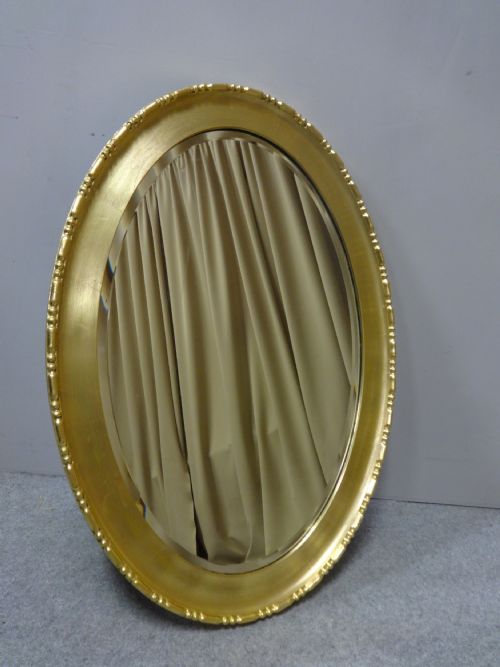


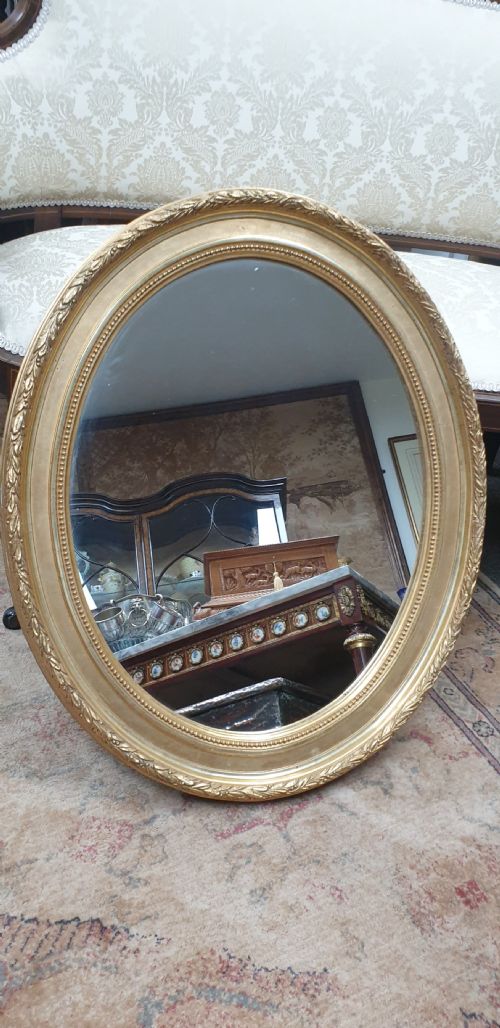


Edwardian Accent Mirror
An Edwardian accent mirror brings a touch of period character to a hallway or living space with its distinctive frame and reflecting glass.
Edwardian Accent Mirror
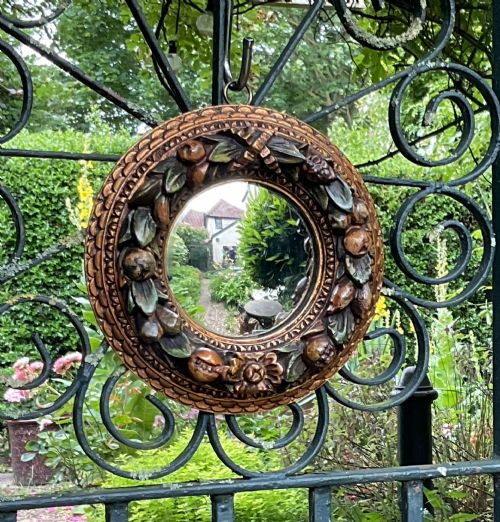
The edwardian accent mirror category spans smaller wall hanging pieces, decorative ovals, and convex designs intended to bounce light into darker corners. While the search points to the early twentieth century, current examples pull freely from Victorian, Regency, and Arts and Crafts design traditions.
Materials and Construction
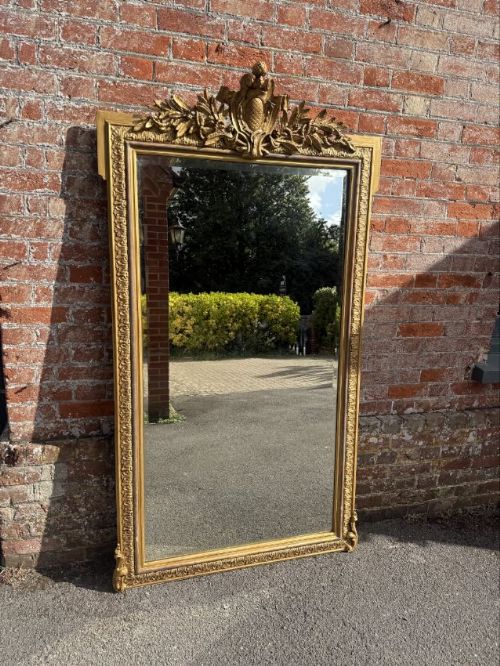
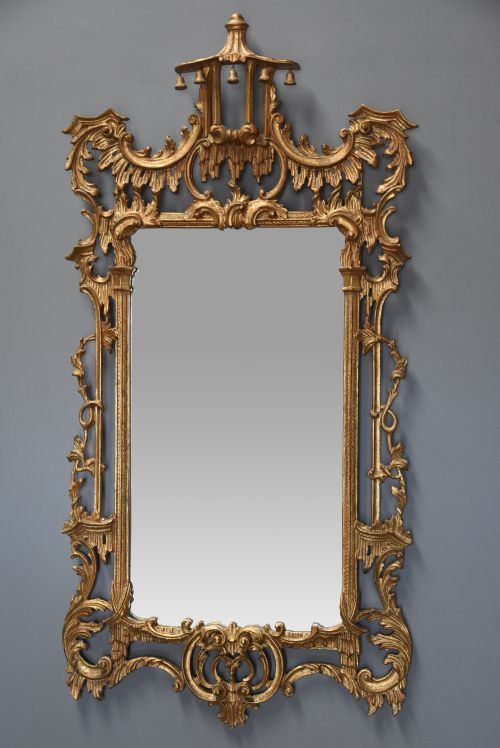
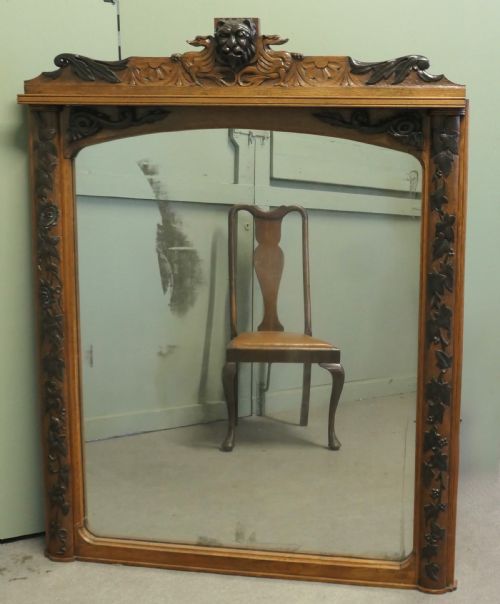
Makers shaped solid woods such as oak and mahogany, or applied carved gesso over a wood base to receive gold leaf and paint finishes. Copper and brass also appear, sometimes set with decorative cabochons to suit the Arts and Crafts aesthetic.
Frames rely on traditional joinery methods, with carved wooden elements securely fitted around bevelled or flat mirrored glass panels. Gilding techniques varied from genuine gold leaf to applied metallic paint, giving each frame its distinct surface texture.
Edwardian Accent Mirror Retail Price Guide 2026
Typical asking prices for edwardian accent mirror among the pieces listed under this phrase on Sellingantiques today, from the lower quarter to the upper quarter. They describe what is for sale here now, not the wider market.
Faux bamboo frames let Victorians bring exotic botanical fantasies into damp British hallways without risking a single tropical shoot.
Assessing Quality and Craftsmanship
Quality rests in the crispness of the wood or gesso carving and the integrity of the original surface finish, whether gilt, polished hardwood, or patinated metal. Finer examples display hand-carved detailing with clean lines and securely seated glass.
The choice of materials also dictates the piece, with solid hardwoods and finely gilded gesso rising above simpler constructed pine frames. Original mirror plates showing honest age add desirability compared to modern replacement glass.
The Edwardian Accent Mirror Glossary
- Gesso
- A plaster-like mixture applied to wood frames as a base for carving and gilding. It allows for intricate, sharp relief ornament.
- Giltwood
- Wood that has been coated with gold leaf or a gold-coloured finish. This technique creates a bright, reflective frame surface.
- Cabochon
- A polished, convex gemstone or ceramic cabochon set without facets. They frequently accent Arts and Crafts metalwork frames.
- Convex mirror
- A round mirror with a curved surface that reflects a wide, distorted field of view. These were popular for lighting smaller rooms.
- Overmantel mirror
- A large horizontal mirror designed to hang above a fireplace mantelpiece. They often feature elaborate giltwood or painted frames.
Edwardian Accent Mirror: Frequently Asked Questions
Where should I hang an accent mirror?
These mirrors suit narrow hallways, above sideboards, or as focal points in living rooms where they reflect natural light.
Choose a spot at eye level to ensure the mirror is both functional and properly balanced with surrounding furniture.
How do I clean an antique mirror frame?
Dust giltwood and carved wooden frames gently with a soft, dry brush to protect the delicate surface finish.
Avoid liquid cleaners on the frame entirely, using only a damp cloth on the glass while keeping moisture away from the edges.
Can I date a mirror by its glass?
Original mirror glass often displays light foxing, minor speckling, and slight distortions that reflect its age.
Replacement glass is common, so inspect the backing boards and frame fixings alongside the plate to understand the piece's history.