
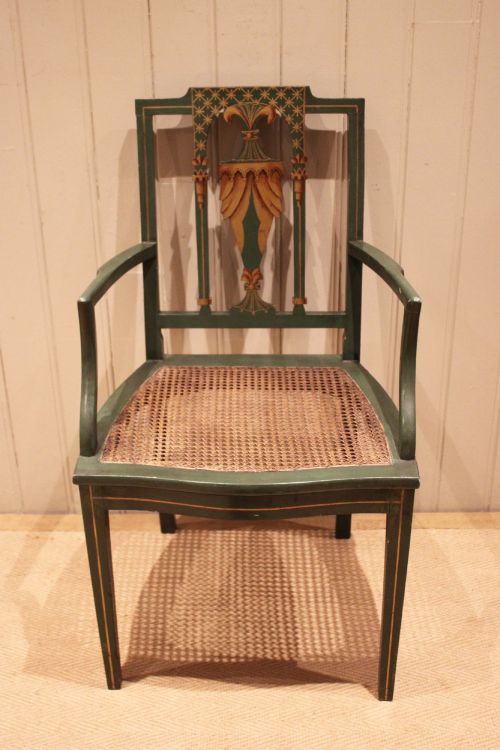
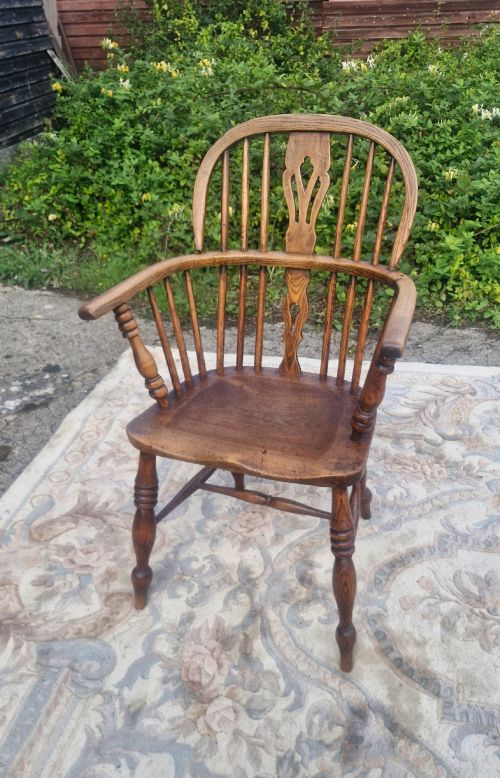
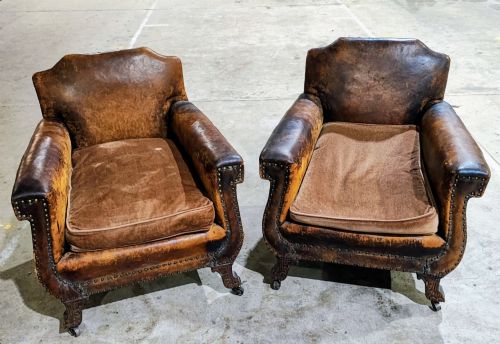
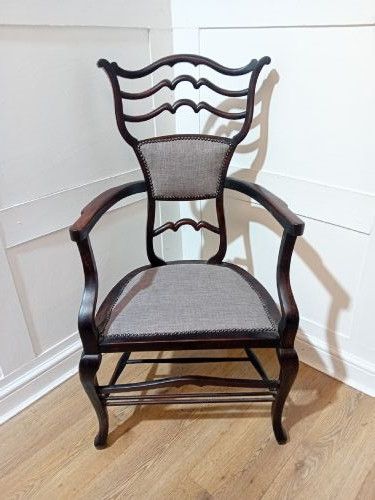

Edwardian Accent Armchairs
Edwardian accent armchairs bring period charm to a room, offering comfortable seating with distinct stylistic detailing from the early twentieth century.
Edwardian Accent Armchairs
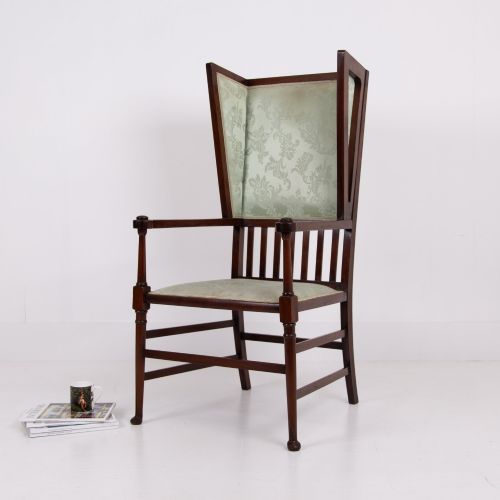
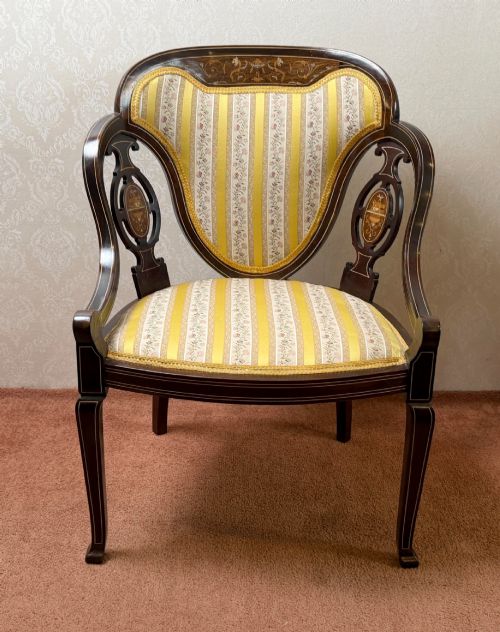
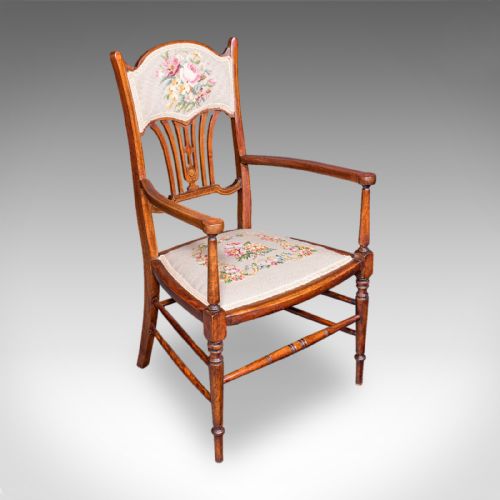
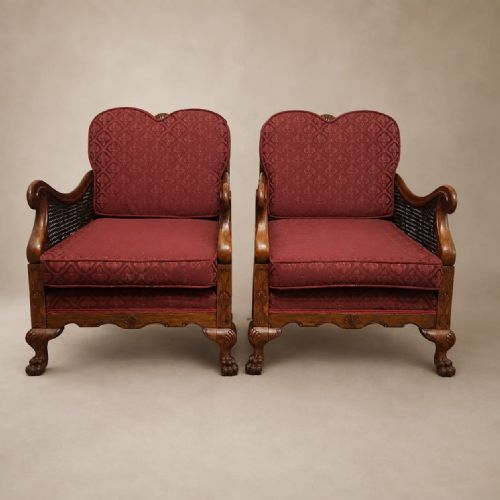
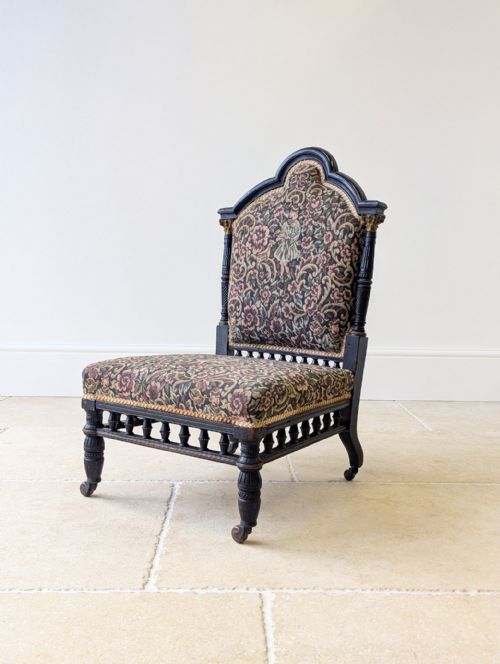
Edwardian accent armchairs encompass a variety of occasional and parlour seating options designed for comfort and visual appeal in domestic spaces. When exploring edwardian accent armchairs, buyers encounter diverse forms ranging from inlaid mahogany carvers to upholstered tub chairs and low salon seats.
Makers and workshops of the period utilised both traditional English woods and revived stylistic motifs such as Hepplewhite and Regency. Buyers frequently select these chairs to introduce historical character and practical seating into contemporary interiors.
How they were made
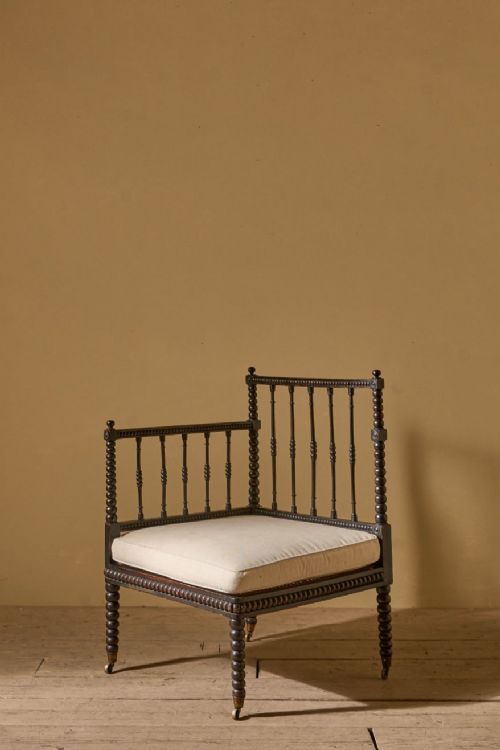
Cabinet makers utilised hardwoods such as mahogany, walnut, oak, and satinwood to construct sturdy frames for edwardian accent armchairs. Many examples incorporate decorative elements including marquetry inlay, carved walnut details, and ebonised finishes.
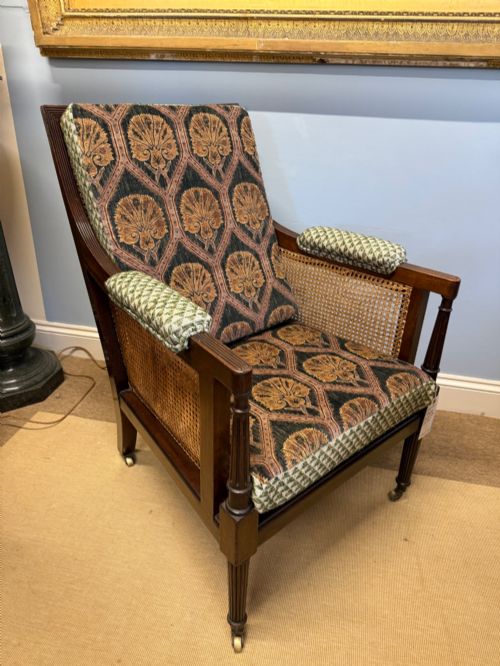
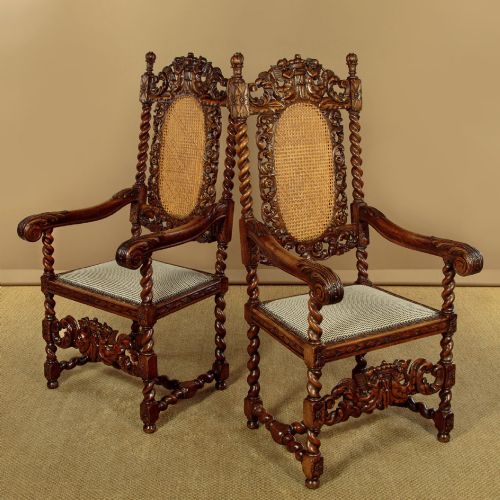
Seating construction frequently involved split cane, rush, or traditional upholstery covered in leather, velvet, or woven fabric. Specialised workshops also employed steam-bending and hand-woven techniques for cane panels and reclining mechanisms.
Periods represented span from the eighteenth century through Victorian, Edwardian, and the 1920s.
What varies in quality
The distinction between standard commercial production and finer work lies in the precision of the timber joinery and the execution of carved or inlaid decoration. Superior examples display carefully selected grain patterns, crisp marquetry, and robust frame construction that withstands decades of use.
Upholstery standards and the preservation of original materials also differentiate pieces within the range. Retaining authentic elements such as hand-woven cane or period button-backing enhances the integrity of the chair.
Liberty Morris & Co·Hampton & sons pall mall·Dryad of Leicester·Whytock & Reid
The Edwardian Accent Armchairs Glossary
- Bergère
- An enclosed armchair with stuffed or padded upholstery on a wooden frame, frequently featuring cane panels on the back and sides. This French-inspired form became popular in various English revivals.
- Inlay
- A technique where pieces of contrasting timber, such as satinwood or lighter veneers, are inserted into the main wooden surface to create decorative patterns. It defines much Edwardian cabinet work.
- Tub Chair
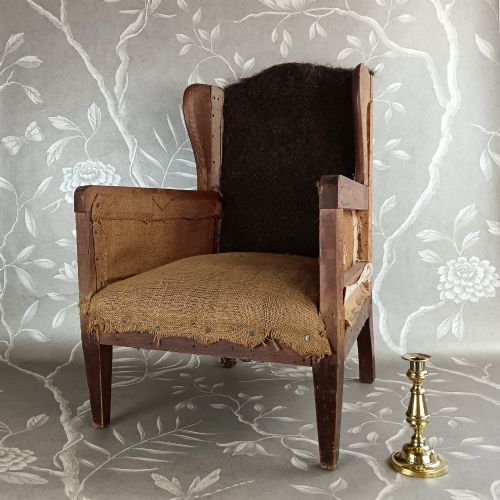
- A comfortable seating form characterised by a continuous curved back and arms that wrap around the sitter. These chairs are typically low-slung and upholstered.
- Carver Chair
- An armchair designed to match a set of dining or parlour chairs, usually featuring open arms and a lighter frame structure. They often served as accent seating in reception rooms.
- Rush Seat
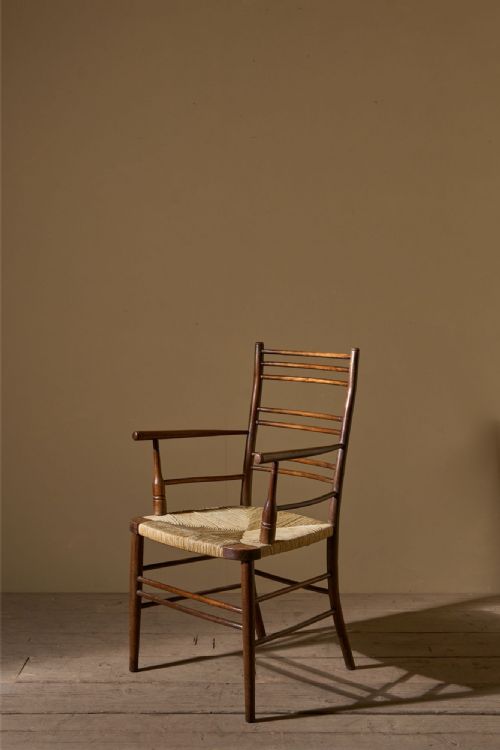
- A traditional seating surface woven from dried marsh rushes, creating a durable and textured platform. It appears frequently on Arts and Crafts influenced chairs.
Edwardian Accent Armchairs: Frequently Asked Questions
What defines an Edwardian accent armchair?
These chairs typically date from the reign of King Edward VII or the surrounding early twentieth-century years, showing lighter proportions than heavy Victorian furniture. They often combine classical revival styles with comfortable domestic functionality.
Craftsmen utilised mahogany, satinwood, and cane to create decorative occasional seating for drawing rooms and parlours.
Where were these armchairs used historically?
Historically, these chairs served as occasional seating in morning rooms, bedrooms, and drawing rooms rather than primary dining furniture. Their smaller scale allowed them to be easily moved around domestic interiors to accommodate guests.
They provided comfortable spots for reading, sewing, or conversing by the hearth.
Are cane-seated armchairs durable?
Split cane and hand-woven cane panels offer surprising strength and flexibility when maintained properly in dry indoor conditions. Many original cane panels survive intact from the early twentieth century.
When replacement becomes necessary, traditional artisans can re-cane the seat or back using period-appropriate techniques.