


Edinburgh Chair
An edinburgh antique chair brings Scottish cabinet-making tradition straight into the room through solid timber and robust joinery.
Edinburgh Chair
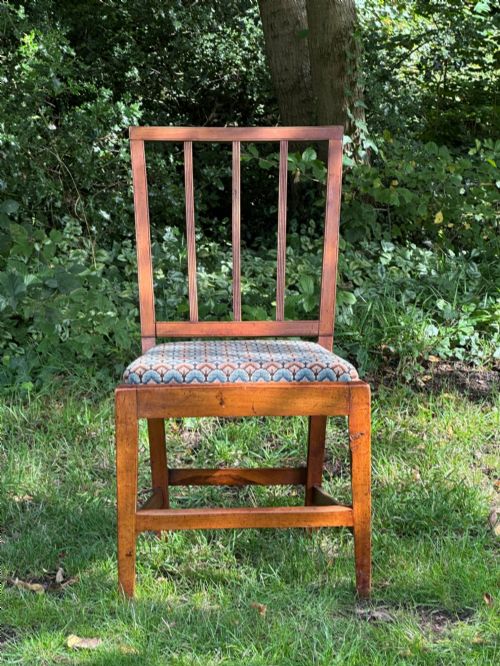
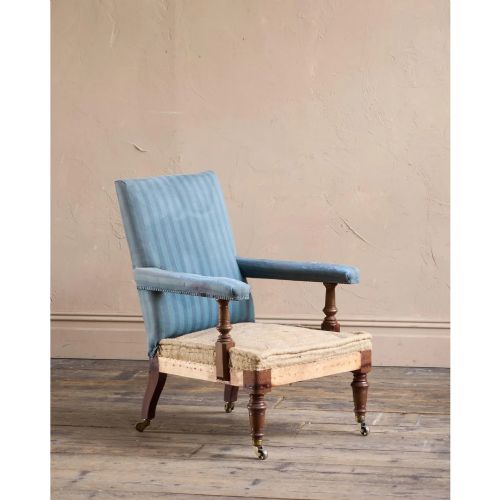
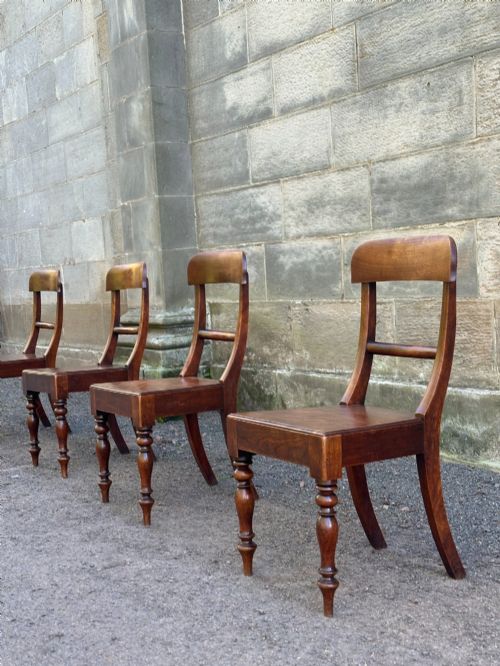
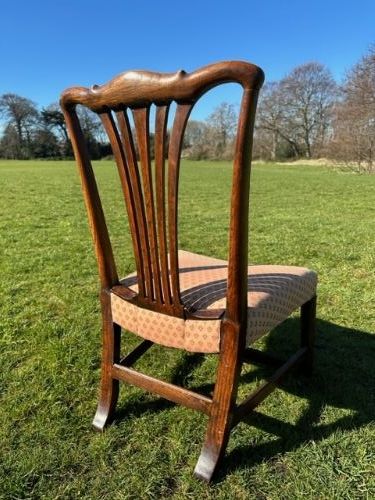
When you search for an edinburgh antique chair, you encounter examples spanning the Georgian period, the nineteenth century, and the early twentieth century. These seating pieces encompass formal dining chairs, open armchairs, country house armchairs, and specialised forms such as prie-dieu chairs.
The regional cabinet-makers of Scotland produced distinctive interpretations of prevailing British and continental styles, working in native and imported woods. You meet George III side chairs and armchairs alongside Victorian revival pieces, reflecting the longevity of Edinburgh's furniture workshops.
Side chairs and dining chairs appear singly and in sets, while armchairs survive as individual library or drawing room pieces. The physical evidence shows a preference for sturdy construction suited to domestic use across generations.
How they were made
Edinburgh makers utilised solid timbers such as birch, walnut, mahogany, golden oak, elm, and occasional birch frames. Construction relied on traditional joinery methods to secure uprights, stretchers, and seat rails.
Upholstery techniques involved textile coverings over hessian foundations, supported by webbing and stuffing. Many examples preserve historic fabric or reupholstered surfaces that respect the original chair profiles.
Materials recorded across the inventory include brass, walnut, fabric, birch, mahogany, textile, hessian, and golden oak.
What varies in quality
Quality rests in the selection of timber and the crispness of carved or turned details. Solid birch and figured walnut display distinct grain patterns that elevate the appearance of an edinburgh antique chair beyond basic utilitarian seating.
The integrity of the frame and the retention of maker signatures or attribution labels distinguish workshop production from anonymous pieces. Maker marks tied to notable Edinburgh firms indicate higher standards of urban design.
Morison and Co·John Taylor & Son·J. & T. Scott·R Whytock·Whytock & Reid
The Edinburgh Chair Glossary
- Birch
- A dense hardwood native to northern regions, frequently utilised in Scottish chair-making for its pale tone and strong grain. It offers a robust alternative to mahogany.
- Open Armchair
- An armchair featuring open sides without upholstered panels, allowing the timber arms and supports to remain visible. These pieces often serve in libraries or drawing rooms.
- Prie-Dieu Chair
- A devotional chair characterised by a low seat and a high, narrow back designed for kneeling and prayer. Victorian examples often feature intricate fabric upholstery.
- Side Chair
- An upholstered or wooden chair without arms, intended primarily for dining or occasional placement around a room. Sets of these chairs survive in varying quantities.
- George III
- A stylistic period spanning the later eighteenth century, noted for classical proportions and refined craftsmanship. Pieces from this era show lighter, more elegant forms.
Edinburgh Chair: Frequently Asked Questions
What woods were used for these chairs?
Makers in Edinburgh worked with a range of native and imported timbers. Birch, walnut, mahogany, golden oak, and elm appear across the surviving pieces.
Lighter woods like birch frequently feature in regional patterns, while mahogany and walnut serve in more formal urban commissions.
Are these chairs sold in sets?
Surviving examples include both individual pieces and matched groups. Dining chairs often appear in sets of four, six, or eight.
Armchairs and accent chairs generally survive as single items or pairs rather than large suites.
How do I identify a regional Edinburgh piece?
Attribution relies on timber selection, structural characteristics, and maker documentation. Several prominent Edinburgh workshops stamped or labelled their output.
Local timber choices, such as solid Scottish birch, also point directly to northern cabinet-making traditions.
What periods do these chairs cover?
The pieces span from the eighteenth century through the nineteenth century and into the early twentieth century. Georgian and Victorian eras are strongly represented.
Revival styles from the nineteenth century draw inspiration from earlier French and English designs.