


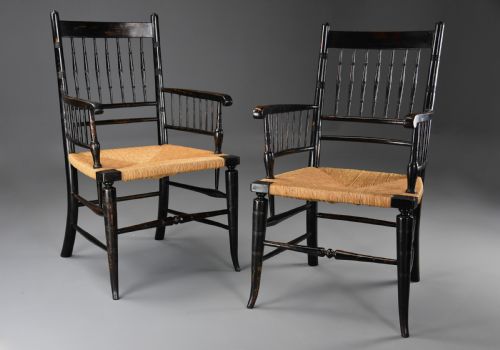


Ebonised Wood Seating
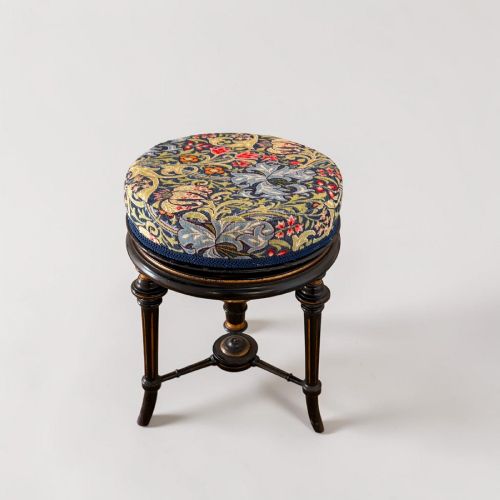
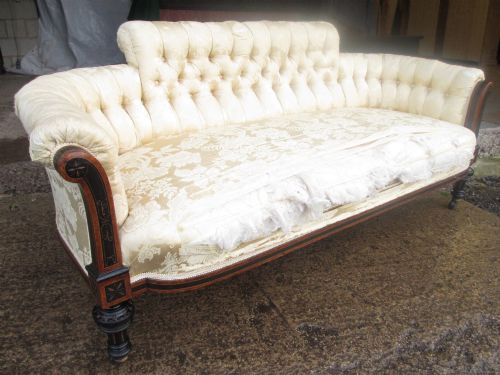
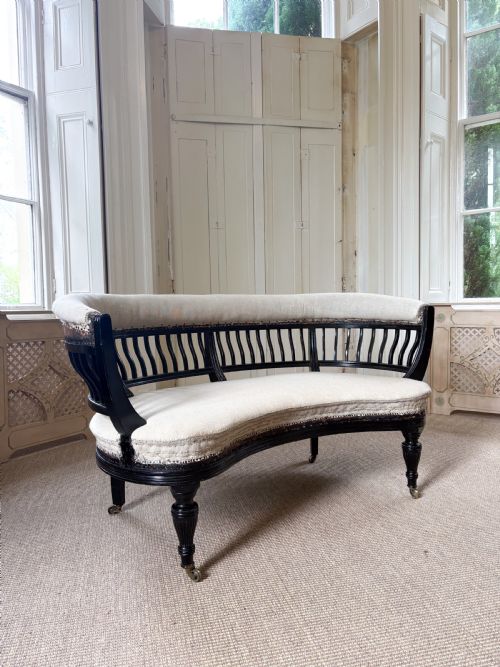
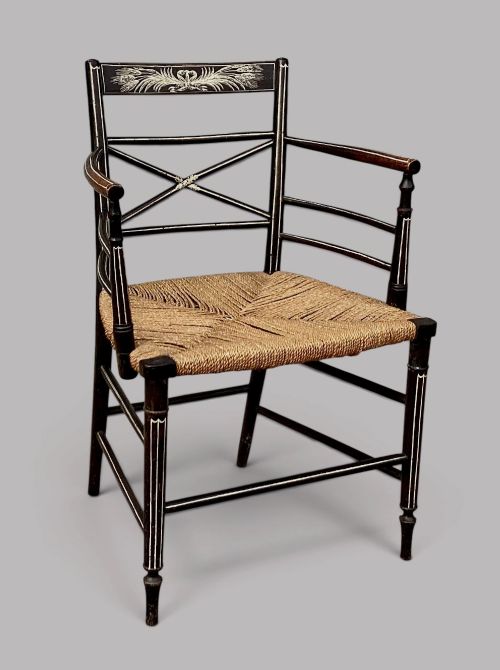
These pieces of ebonised wood seating bring dark, striking silhouettes and strong historical character into a room.
Ebonised Wood Seating
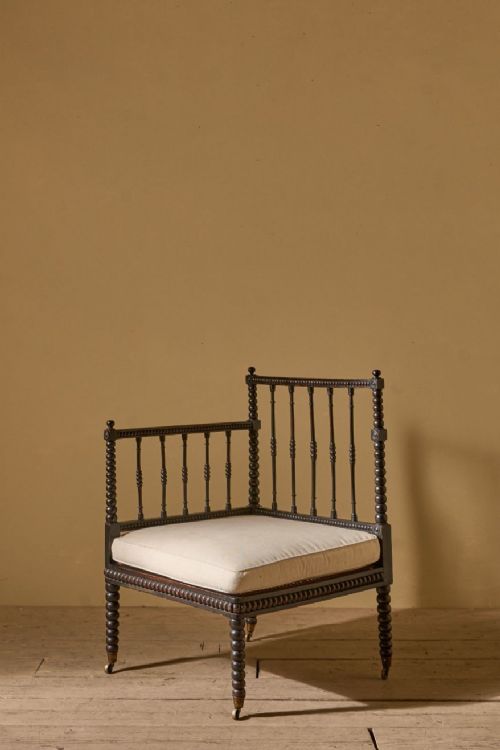
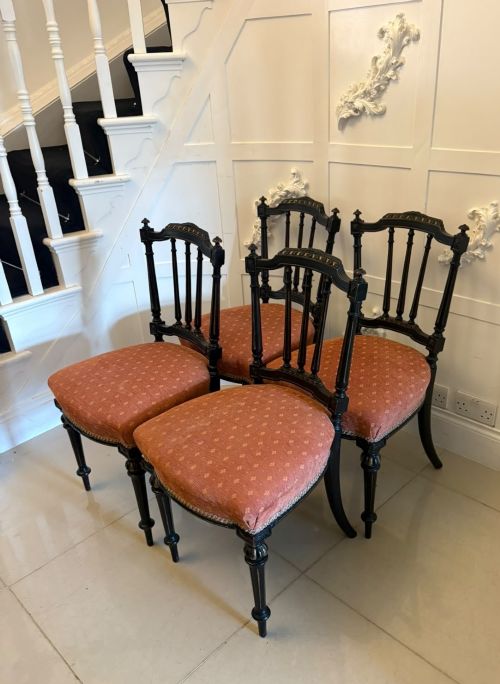
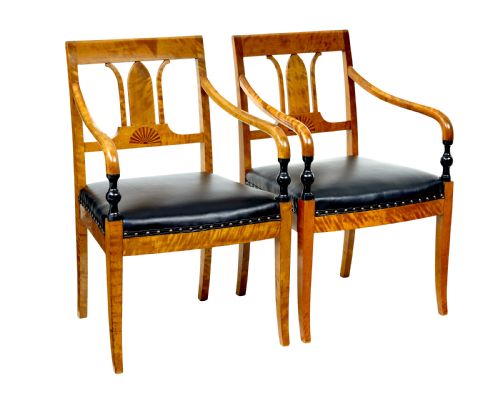
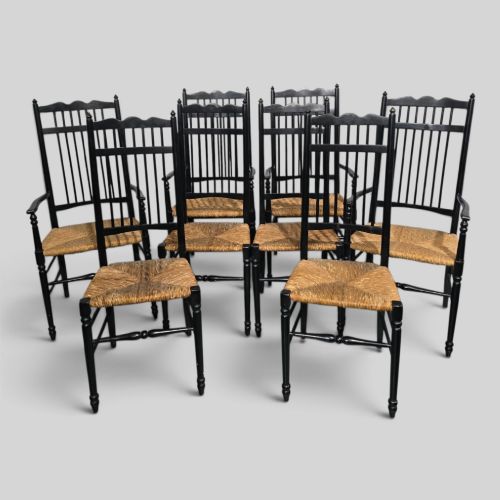
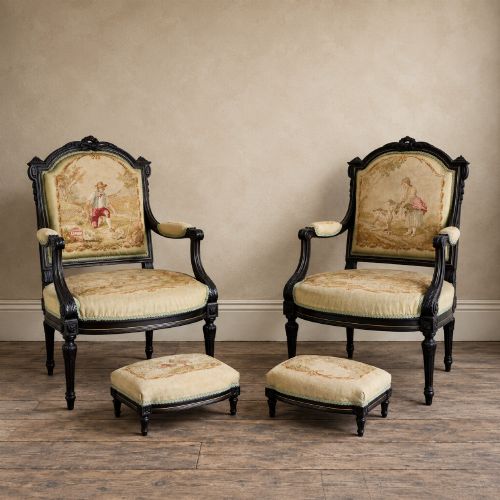
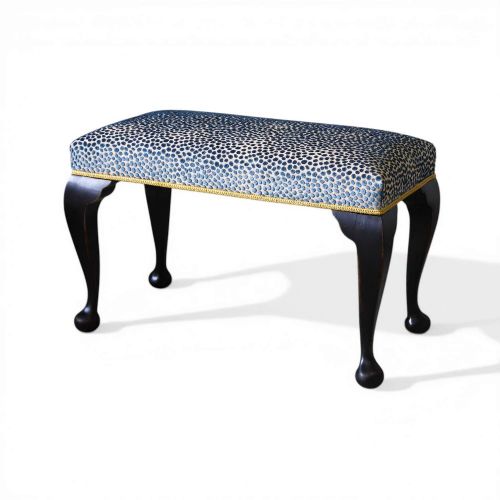
When you search for ebonised wood seating, you encounter a wide variety of furniture designed for practical rest and formal display. The selections span from nineteenth-century dining chairs and salon armchairs to occasional stools, benches, and larger sofas.
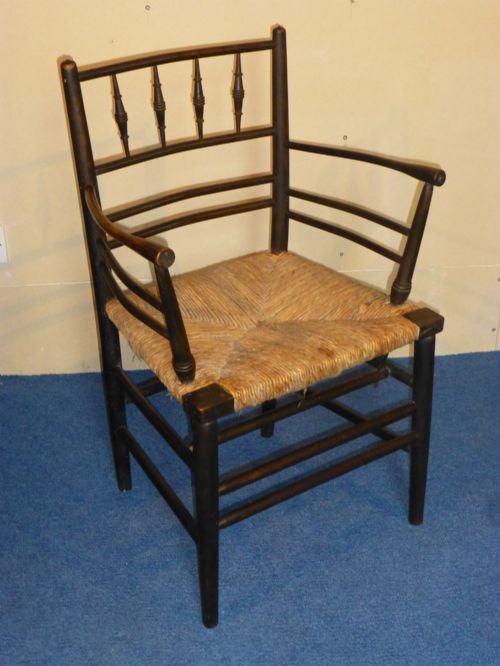
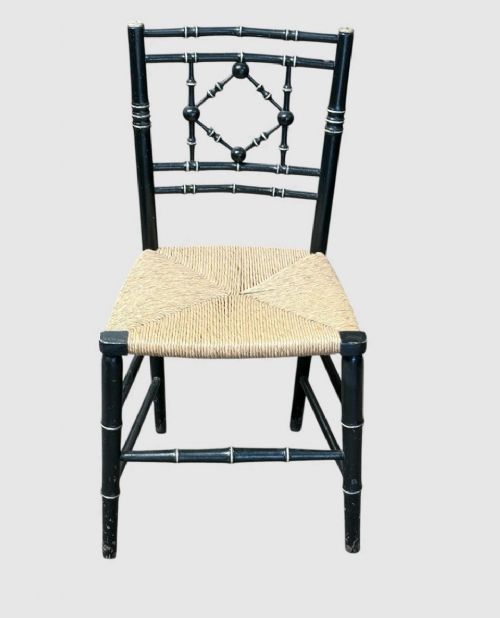
The predominant styles lean heavily into the Victorian and Aesthetic Movement eras, alongside Regency, Edwardian, and Art Deco examples. You will frequently meet pieces utilising bobbin turnings, parcel gilding, and traditional rush, cane, or upholstered seats.
Materials and construction
The fabrication relies on staining or painting timber to imitate costly ebony, often paired with beech, birch, or pine frameworks. Craftsmen utilised traditional joinery methods to support these dark finishes, integrating structural elements like turned legs and carved wooden details.
Surfaces frequently incorporate decorative touches such as brass hardware, fine textile upholstery, leather, rush, and cane. These materials combine to create durable seating designed for both everyday utility and refined interior display.
Ebonised Wood Seating Retail Price Guide 2026
Typical asking prices for ebonised wood seating among the pieces listed under this phrase on Sellingantiques today, from the lower quarter to the upper quarter. They describe what is for sale here now, not the wider market.
Listings feature ebonised wood seating across the nineteenth and twentieth centuries, utilising materials like brass, cane, leather, and rush.
Defining quality
The distinction between ordinary production and finer examples rests upon the crispness of the turning, the integrity of the ebonisation, and the preservation of original decorative details like parcel gilding. Superior items display careful attention to proportion, sturdy joinery, and harmonious upholstery choices that respect the original period.
Lower tiers of quality often show heavy modern refinishing that obscures the underlying grain and form, or structural looseness resulting from decades of hard use. The better pieces retain their authentic surface patination and structural cohesion without excessive modern intervention.
Morris and Co·Philip Webb·E W Godwin·Lamb of Manchester
The Ebonised Wood Seating Glossary
- Ebonised
- Wood treated with stain, paint, or chemical processes to imitate solid ebony. This finish gained immense popularity during the nineteenth century for its dramatic dark contrast.
- Bobbin turning
- A method of woodturning that produces a series of rounded, spool-like shapes along the length of a furniture leg or stretcher. It appears frequently on nineteenth-century vernacular and Aesthetic Movement chairs.
- Parcel gilt
- A decorative technique where small portions of a surface are highlighted with thin layers of gold leaf. It is often seen accentuating dark ebonised frames.
- Aesthetic Movement
- A late nineteenth-century design philosophy prioritising visual beauty over narrative or moral function. Pieces from this movement often feature clean ebonised lines and simple structural forms.
- Cane
- Woven material made from the peeled bark of rattan palm, utilised to form lightweight and breathable seat inserts. It requires careful hand-weaving to maintain tension across the frame.
Ebonised Wood Seating: Frequently Asked Questions
Are these chairs comfortable for daily use?
Comfort varies significantly depending on the specific form and era of the chair. Dining chairs and salon seats are generally upright and firm, whereas library armchairs and club chairs offer deeper, softer seating.
Consider whether the piece suits your intended daily routine or serves better as an occasional accent chair. Many antique frames support modern cushioning adjustments if required for prolonged sitting.
How can I date an ebonised chair?
Examine the construction methods, screw types, and joinery visible beneath the seat or along the frame. Hand-cut elements and specific turnings often point toward nineteenth-century manufacturing techniques.
Compare the overall aesthetic with documented design movements such as the Regency period or the later Aesthetic Movement. Makers' marks, stamps, or stylistic attributions further clarify the precise decade of origin.
Can I mix these with modern furniture?
The dark, neutral tones of ebonised seating allow them to anchor themselves effortlessly within contemporary room schemes. Their strong silhouettes provide a striking contrast against lighter modern walls and minimalist decor.
Pair an ebonised side chair or stool with simple modern tables to highlight the historic craftsmanship. The restrained colour palette bridges different design eras without creating visual clutter.