



Ebonised Sculpture
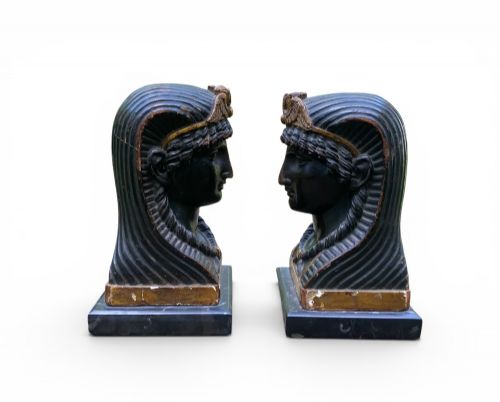
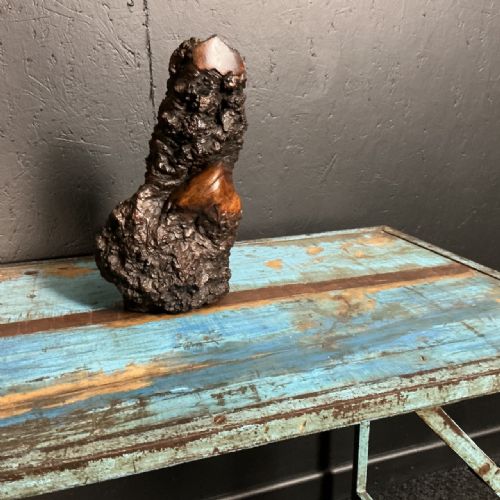
Ebonised sculpture brings dark, dense timber forms and stark monochromatic presence into a room, offering a sharp visual contrast to lighter interiors.
Ebonised Sculpture
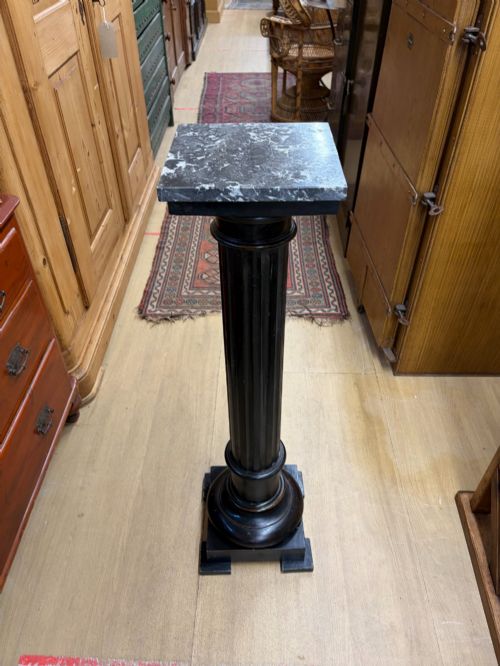
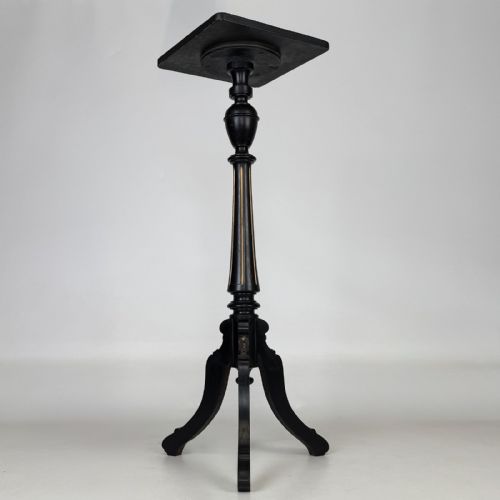
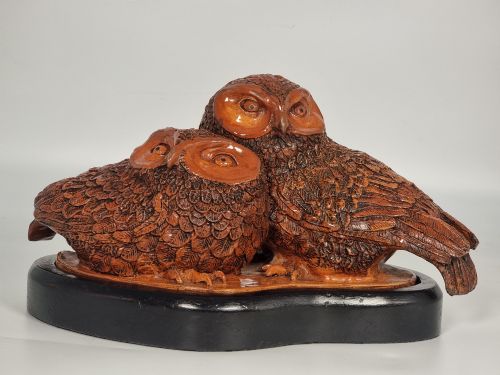
When you search for ebonised sculpture, you encounter a varied selection of dark-finished wooden figures, decorative pedestals, architectural plaques, and display stands. The most common examples span the nineteenth century, including Victorian plant stands, figural carvings, and display columns.
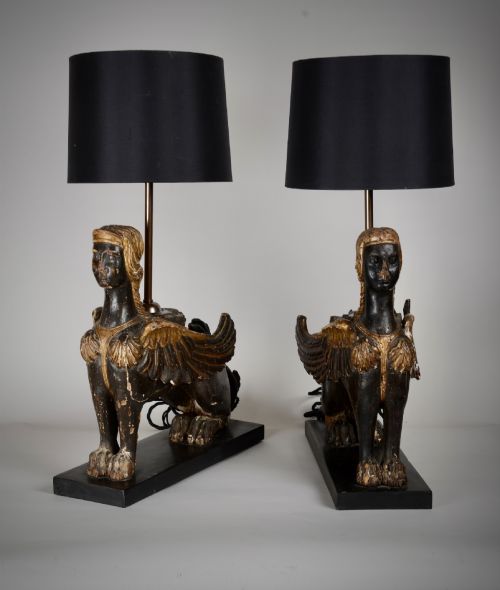
Many pieces combine the blackened timber finish with gilt, bronze, or brass details, reflecting periods such as the Regency, Victorian, and Aesthetic movements. Figures range from classical sphinxes and mythological deities to utilitarian architectural supports.
The category also encompasses display furniture intended to elevate other objects, such as torcheres, plinths, and pedestals designed with ebonised surfaces. These structural items share the same deep, dark finish characteristic of the sculptural works.
Materials and construction
Makers achieved the distinct ebonised finish by treating woods such as mahogany, walnut, or general timber to imitate expensive ebony. This process involved chemical staining, ebonising paints, or heavy dark polishes applied to carved surfaces.
Many sculptures and architectural supports incorporate mixed media, pairing the blackened wood with cast bronze, gilded elements, brass mounts, or glass domes. Carved details were often hand-chiseled into the wood before the final dark coating was sealed.
Ebonised Sculpture Retail Price Guide 2026
Typical asking prices for ebonised sculpture among the pieces listed under this phrase on Sellingantiques today, from the lower quarter to the upper quarter. They describe what is for sale here now, not the wider market.
Design styles represented include Victorian, Regency, Neoclassical, Baroque Revival, and the Aesthetic Movement.
Evaluating craftsmanship and finish
Quality in these pieces rests upon the crispness of the original carving beneath the dark finish and the evenness of the ebonising process. Superior examples maintain sharp relief work and deep detailing that does not get lost under layers of dark coating.
The integrity of the underlying timber and the sophistication of period styling, such as Neoclassical or Aesthetic movement proportions, elevate certain stands and plaques above standard production pieces.
Gillow and Co·Thomas Hope·Humphrey Hopper·Carlhian and Corbiere·Gian Federigo Bonzagna
The Ebonised Sculpture Glossary
- Ebonised
- Wood treated with a dark stain, dye, or paint to simulate the appearance of natural ebony. This finish was widely utilised during the nineteenth century.
- Torchere
- A tall stand or pedestal originally designed to hold a light or candle. Later examples frequently served to display sculptures or plants.
- Sphinx
- A mythical creature with a human head and a lion's body. These motifs appear frequently in Regency and eighteenth-century decorative sculpture.
- Plinth
- A heavy base or square slab serving as a support for a statue, vase, or pillar. They are often ebonised to provide a neutral, dark foundation.
Ebonised Sculpture: Frequently Asked Questions
What is ebonised wood?
Ebonised wood is timber treated to look like expensive ebony. Makers used stains and dark finishes to achieve this appearance.
This technique allowed craftsmen to use accessible woods while providing a fashionable black finish.
How were torcheres used?
Torcheres functioned primarily as elevated stands for lighting devices or decorative items. They occupied corners of grand rooms to cast illumination.
Over time, their purpose shifted towards displaying sculptures, urns, and large decorative plants.
How do I date these pieces?
Dating relies on stylistic clues, construction methods, and material choices. Pieces often reflect Regency, Victorian, or earlier Neoclassical tastes.
Makers' marks or stamps, when present, provide definitive attribution to specific nineteenth-century firms and workshops.
Where should I place a pedestal?
Pedestals suit corners, hallways, or focal points in a room where they can support art or plants. Their vertical form draws the eye upward.
Ensure the floor is level so that heavy timber columns and display stands remain stable.