



Ebonised Mantel Mirror
An ebonised mantel mirror brings depth and structured shadow to a room, framed in dark wood or dark-finished surfaces that contrast with bright mercury or silvered glass.
Ebonised Mantel Mirror
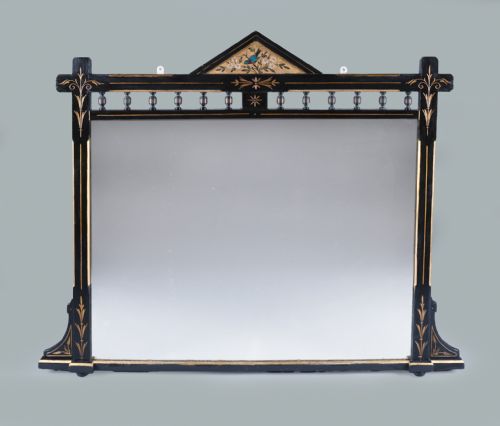
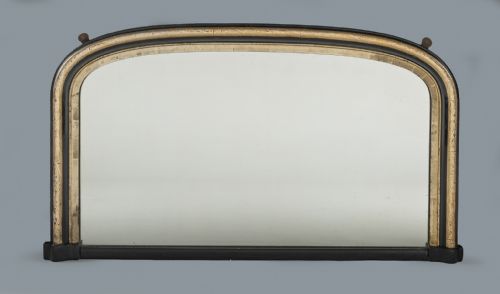
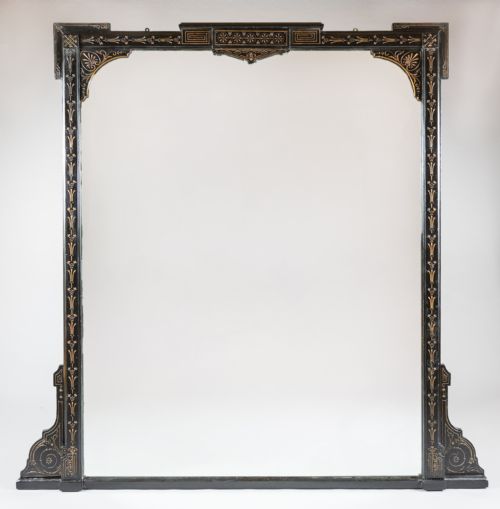
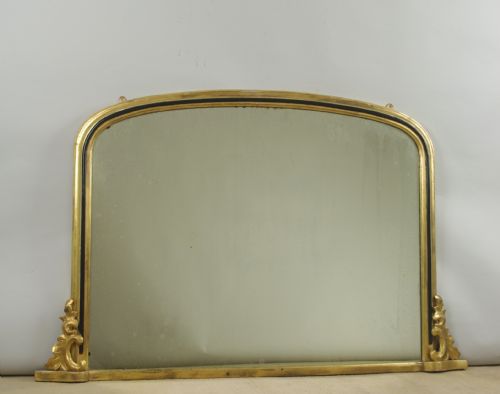
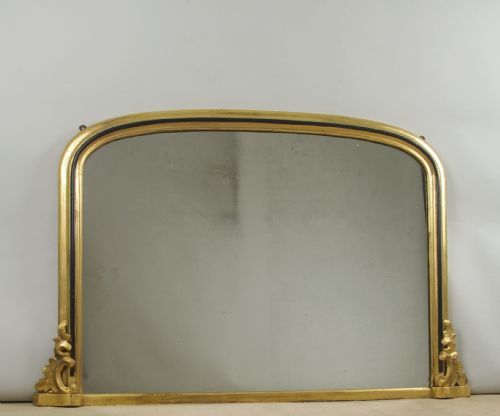
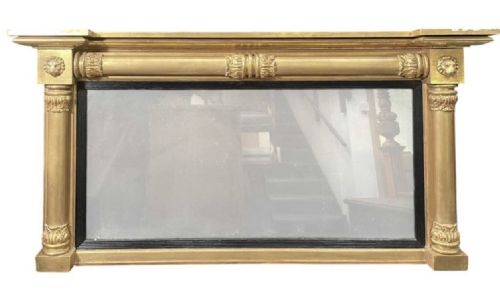
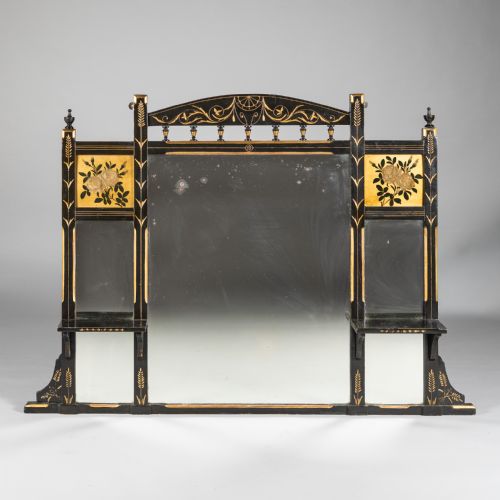
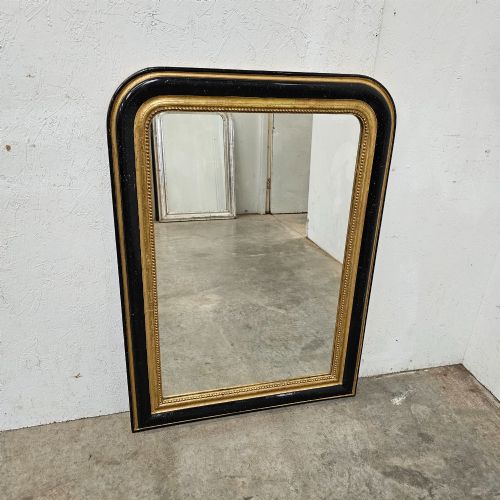
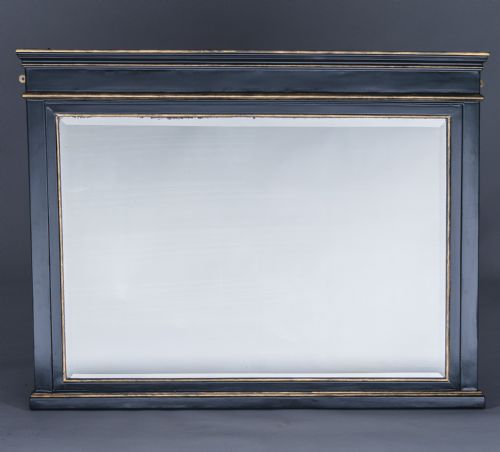
When you search for ebonised mantel mirror, you encounter large horizontal overmantel frames designed to sit above a fireplace, alongside tall pier mirrors and wall-hanging variations. The standard form on this page is the Victorian or Aesthetic Movement overmantel, stretching wide to command the chimney breast.
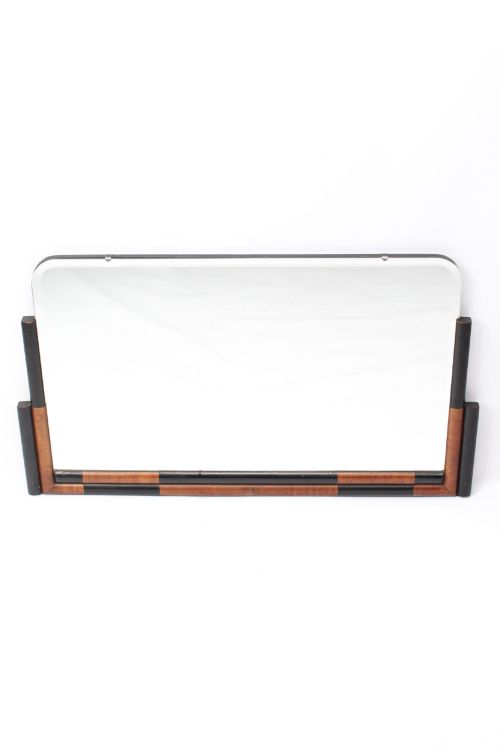
Many examples date from the nineteenth century, spanning periods from Regency to Art Deco, with Victorian and Aesthetic Movement pieces forming the core. The frames incorporate architectural pediments, arched tops, or tripartite glass plates designed to reflect light across a principal room.
How they were made
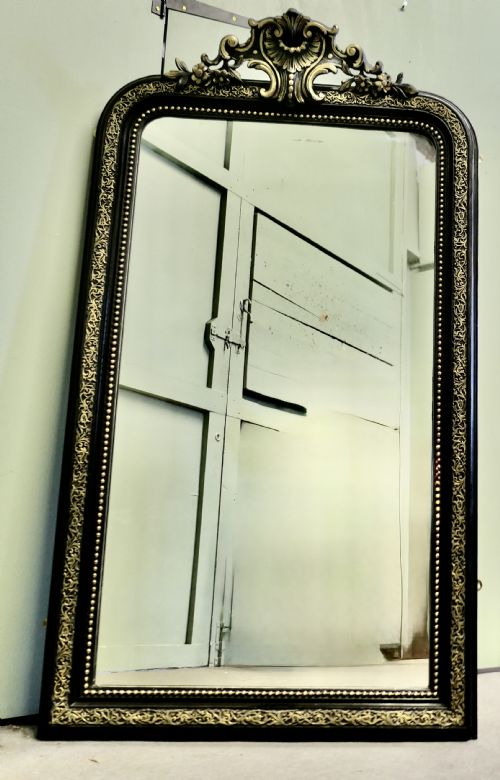
Makers utilised timber substrates such as walnut, mahogany, oak, or plain wood, applying dark paint, stain, or ebonisation to simulate costly ebony. Gesso and carved wooden ornamentation provided relief, often highlighted with gold leaf, parcel-gilt, or silvering.
The heavy glass plates were set into rebated frames, frequently retaining original silvered or mercury backing that shows authentic oxidation, foxing, and age spots across the reflective surface.
Ebonised Mantel Mirror Retail Price Guide 2026
Typical asking prices for ebonised mantel mirror among the pieces listed under this phrase on Sellingantiques today, from the lower quarter to the upper quarter. They describe what is for sale here now, not the wider market.
Listings feature ebonised mantel mirrors spanning the Regency period through to Art Deco, with nineteenth-century Victorian and Aesthetic Movement pieces predominating.
What varies in quality
Quality rests in the crispness of the carved gesso ornament and the depth of the ebonisation process, where inferior examples show flat painted black surfaces while superior pieces reveal hand-polished timber grain beneath the dark finish. The integration of parcel-gilt details requires careful hand-application rather than crude modern gilding.
The retention of the original mirror plate dictates desirability, as replacement glass alters the historical integrity of nineteenth-century frames. Structural joinery at the corners and the stability of the heavy wooden carcase also separate utilitarian mirrors from high-status decorative furnishings.
J H G Elliott Newland Sherborne
The Ebonised Mantel Mirror Glossary
- Ebonised
- Wood treated with stain, paint, or chemical processes to imitate solid ebony. This dark finish gained immense popularity during the Victorian and Aesthetic Movement periods.
- Overmantel
- A large mirror specifically proportioned to hang on the wall directly above a mantelpiece or fireplace. These pieces often feature wide rectangular or arched formats.
- Parcel-gilt
- A decorative technique where selected portions of a dark or painted object are highlighted with gold leaf or gilding. It creates sharp contrast against the ebonised background.
- Pier mirror
- A tall, narrow mirror designed to fit on the wall space between windows, known as a pier. They frequently incorporate console tables or extend downwards to floor level.
- Gesso
- A plaster-like mixture applied to wood frames to provide a smooth base for gilding and intricate low-relief carving. It allows for sharp decorative moulding details.
Ebonised Mantel Mirror: Frequently Asked Questions
Where should an ebonised mantel mirror hang?
These mirrors traditionally anchor the space above a fireplace mantel, where their dark frames contrast against chimney breasts and reflect light from surrounding windows.
Alternatively, larger vertical examples function successfully as pier mirrors or freestanding wall pieces in hallways and principal reception rooms.
How do I identify an Aesthetic Movement mirror?
Aesthetic Movement pieces from the late nineteenth century typically feature geometric ebonised frames paired with parcel-gilt incised decoration. They reflect the period's shift toward artistic refinement and structural simplicity.
These frames often avoid heavy Victorian ornamentation in favour of clean architectural lines and subtle contrasting paint details.
Are the mirror plates original?
Many nineteenth-century frames retain their original silvered or mercury glass plates, which display characteristic foxing, minor speckling, and gentle distortion. These signs of age confirm the glass has not been replaced.
Clear, unblemished modern glass inside an antique nineteenth-century frame usually indicates a later replacement.
What is parcel-gilt?
Parcel-gilt refers to partial gilding where gold leaf is applied only to raised carved details, mouldings, or specific highlights on the frame. This leaves the primary ebonised wood exposed underneath.
The technique creates a striking visual interplay between dark shadow and bright metallic reflection.