



Ebonised Brass Clock
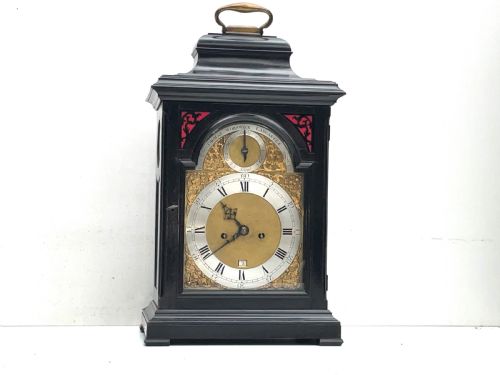
An ebonised brass clock brings together dark timber and bright metal with a striking visual contrast that suited formal rooms from the seventeenth century onward.
Ebonised Brass Clock
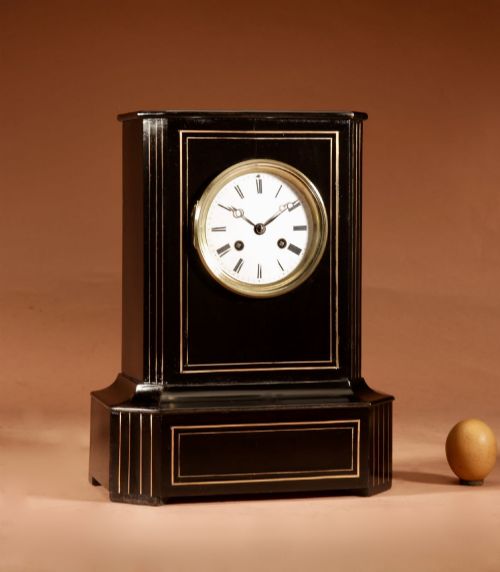
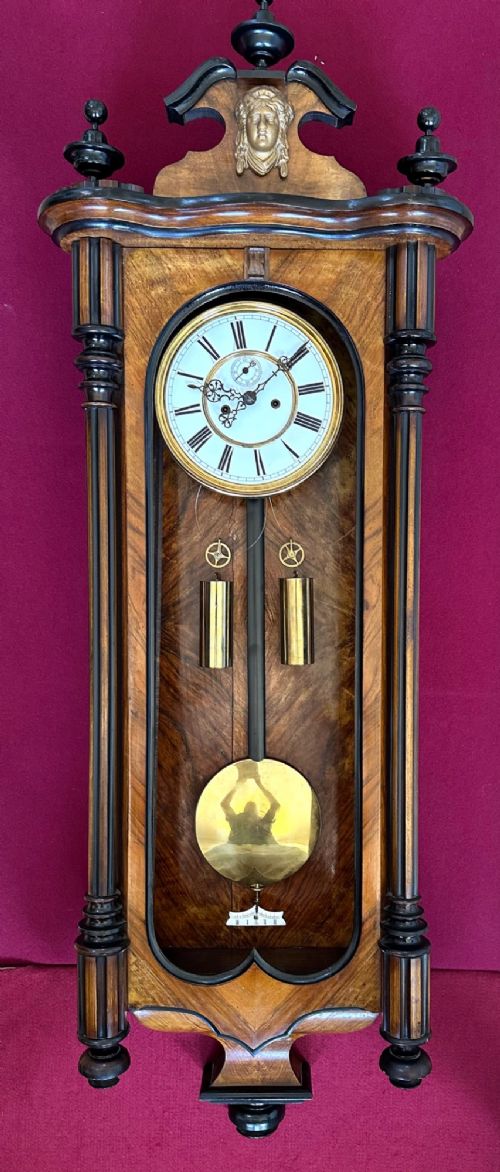
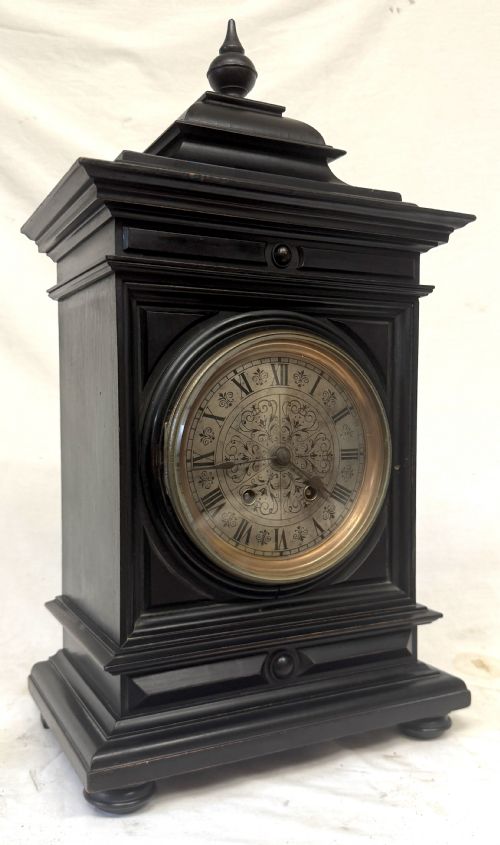
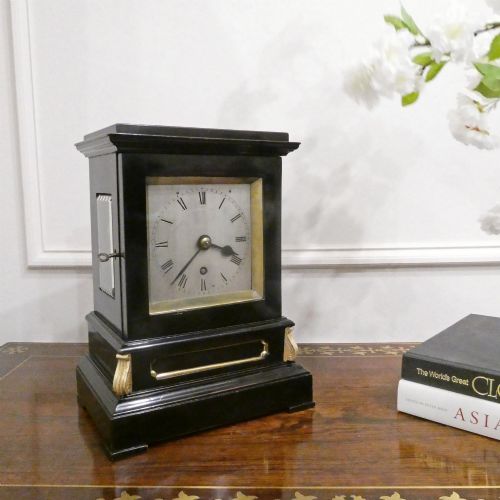
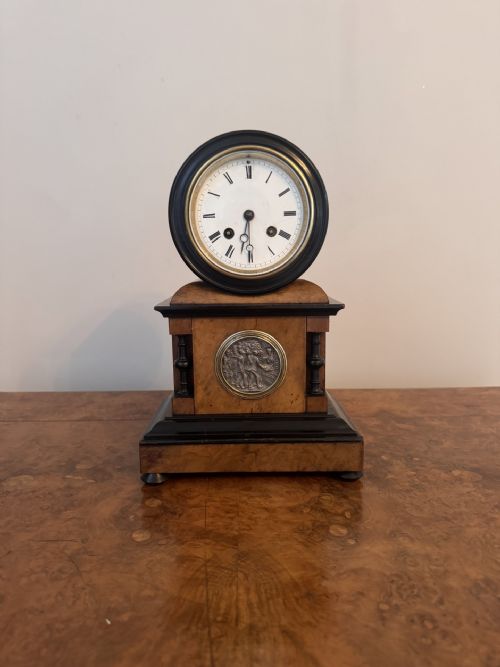
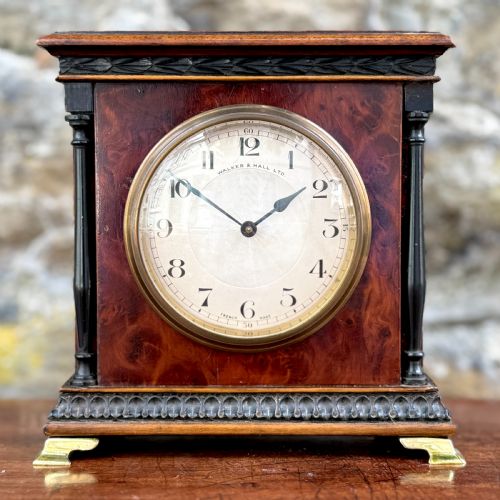
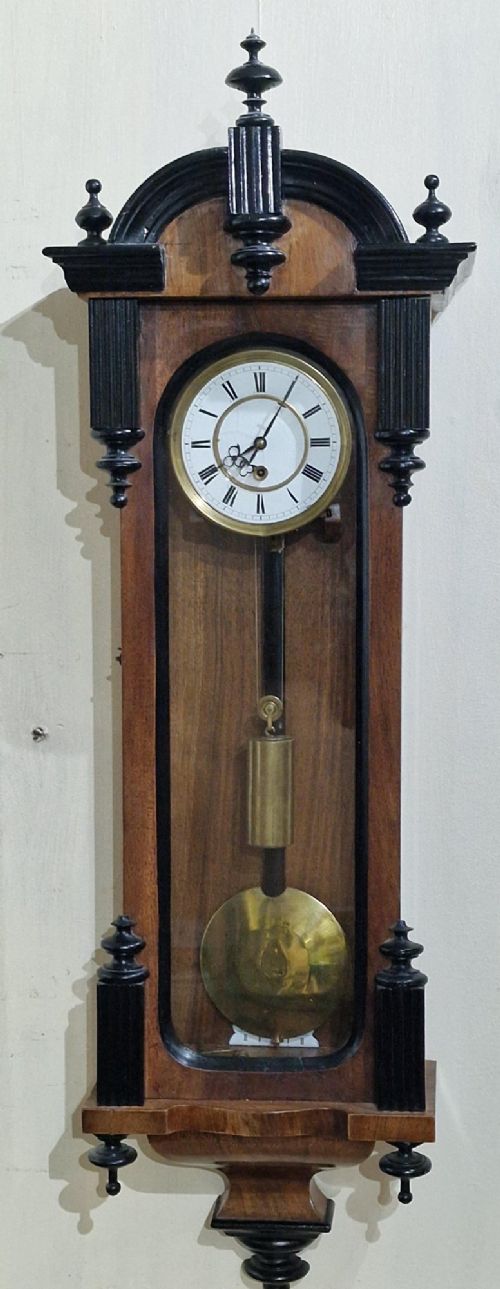
When searching for an ebonised brass clock, buyers encounter several distinct domestic forms spanning multiple centuries. The selection includes bracket clocks, mantel clocks, wall clocks, and larger longcase clocks originating from British and European workshops.
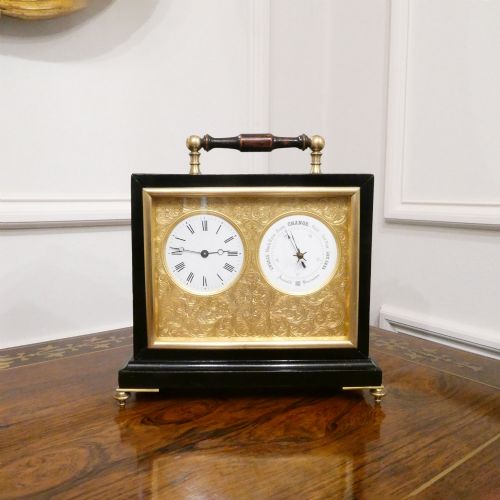
Mantel and bracket varieties appear frequently in various periods, from early examples with verge movements to later Victorian interpretations. These pieces combine dark ebonised woodwork with cast brass dials, bezels, and mounts.
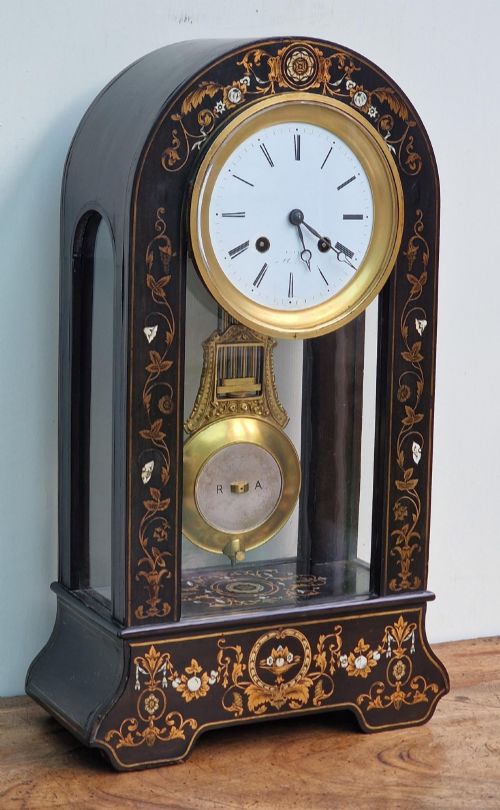
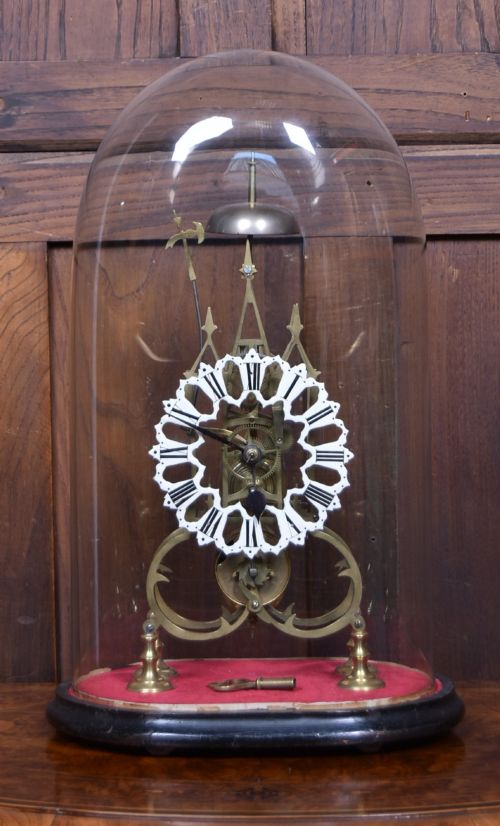
Wall-mounted variants and carriage timepieces also populate the field, utilising glass domes, portico frames, and visible skeleton movements to display their mechanical inner workings.
How They Were Made
The construction relies on timber stained or painted black to emulate expensive ebony, paired with brass for dials, bezels, and decorative mounts. Ormolu, gilt bronze, and mother-of-pearl inlay frequently enhance the ebonised wooden carcases.
Gilding and silvering techniques highlight the metal components, particularly on engraved brass dials and silvered chapter rings. Glass elements protect delicate dials, while intricate fusee and verge movements govern the timekeeping mechanics within.
Ebonised Brass Clock Retail Price Guide 2026
Typical asking prices for ebonised brass clock among the pieces listed under this phrase on Sellingantiques today, from the lower quarter to the upper quarter. They describe what is for sale here now, not the wider market.
Listings feature items spanning from the seventeenth century through the Edwardian era, incorporating materials like walnut, ormolu, and glass domes.
What Varies in Quality
The distinction between tiers rests upon the crispness of the brass casting, the depth of the ebonised finish, and the sophistication of the internal movement. Finer pieces display hand-engraved dial work and complex striking or chiming trains executed by named makers.
Secondary quality differences appear in the precision of the woodwork cabinetry, the integration of ormolu or metal wire inlay, and the overall state of preservation of the original movement and dial face.
Desbois and Wheeler·Jonathon Lowndes·John Witherston·Henri Marc·John Bull·Henry Jones·Des Granges·Arnold and Frodsham·Thomas A Paris·Richard Rooker·Payne and Co·Charles Frodsham·Grimaldi and Johnson·Somersall
The Ebonised Brass Clock Glossary
- Ebonised
- Wood treated with a dark stain or finish to imitate genuine ebony. This technique provided a uniform black surface popular in various historical periods.
- Fusee
- A conical pulley used in clock movements to maintain an even pull as the mainspring unwinds. It ensures consistent timekeeping power throughout the running period.
- Verge
- An early escapement mechanism controlling the release of power in a clock. It works in conjunction with a balance spring or pendulum to regulate time.
- Ormolu
- Finely ground high-carat gold applied to a bronze base object through mercury gilding. This decorative treatment creates a bright golden finish on mounts and bezels.
- Bracket Clock
- A portable domestic clock originally designed to sit upon a dedicated wall bracket. Later versions served as mantel clocks while retaining the traditional name.
Ebonised Brass Clock: Frequently Asked Questions
What is an ebonised brass clock?
An ebonised brass clock is a timepiece featuring a dark, treated wooden case combined with brass dials, bezels, and decorative elements. These pieces range from seventeenth-century table clocks to Victorian mantel and wall designs.
The style prioritises a sharp visual contrast between the blackened timber and the polished or gilt metal components, adapting to changing interior fashions over several centuries.
How do I wind my clock?
Most mechanical clocks require a key inserted into winding holes on the dial face to tension the internal springs or weights. Care must be taken not to overwind the movement.
Consulting the specific winding requirements of fusee or spring-driven movements ensures the longevity of the brass gears and prevents internal damage.
Where should I place a bracket clock?
Traditional bracket clocks sit securely on firm, level surfaces such as mantelpieces, heavy sideboards, or dedicated wall brackets. Stability is essential for proper pendulum or escapement operation.
Placing the clock away from direct sunlight, drafts, and moisture helps preserve both the ebonised wooden finish and the delicate interior brass work.