



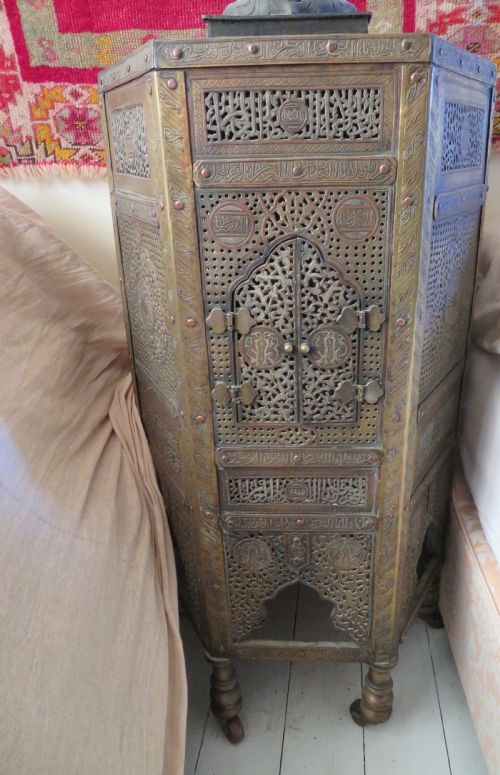
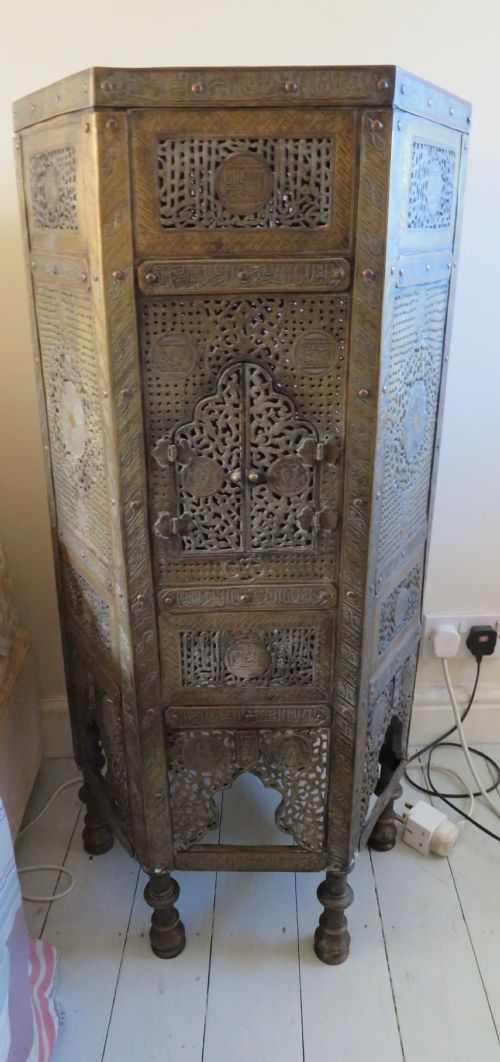


Eastern Inlaid Table
An eastern inlaid table brings intricate geometric patterns and warm timber tones into a room, offering both practical surface space and centuries of regional craftsmanship.
Eastern Inlaid Table
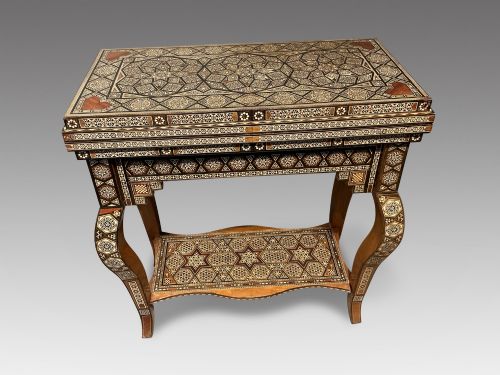
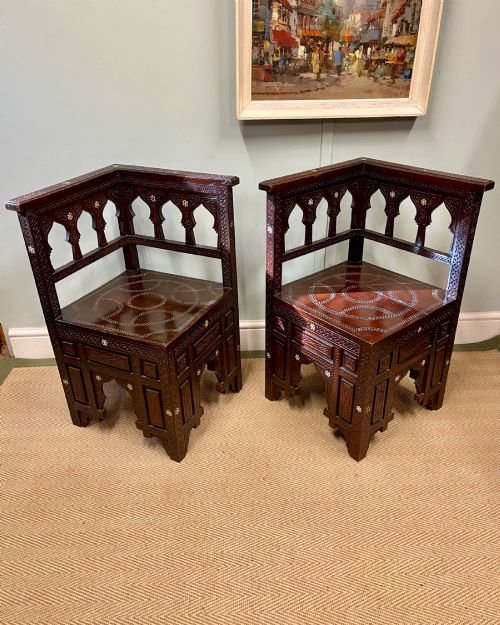
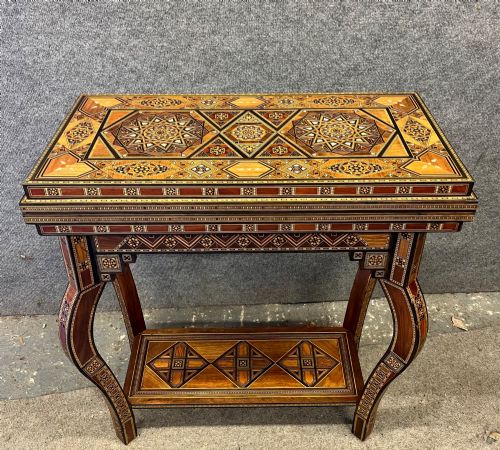
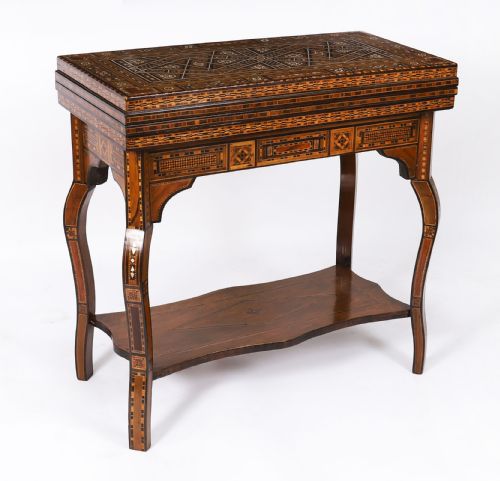
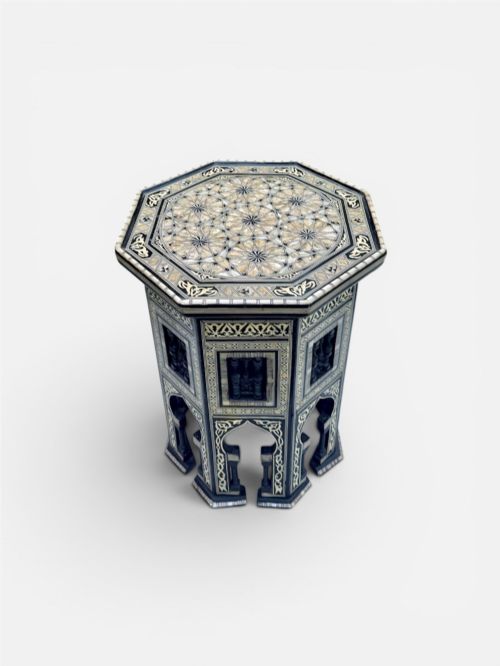
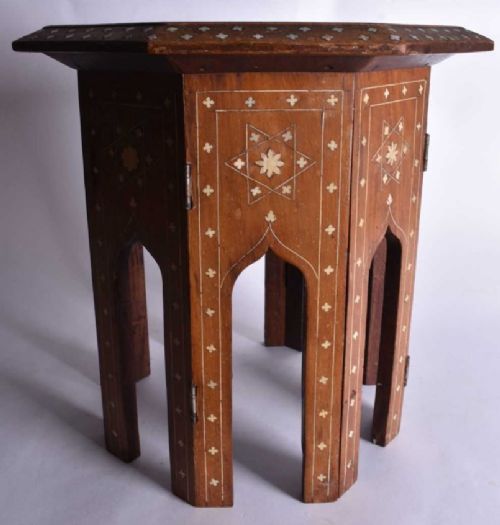
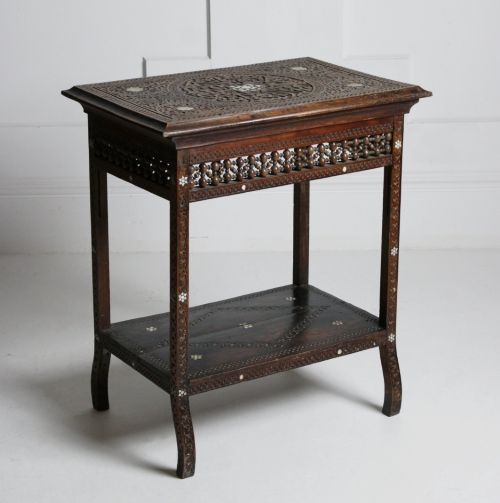
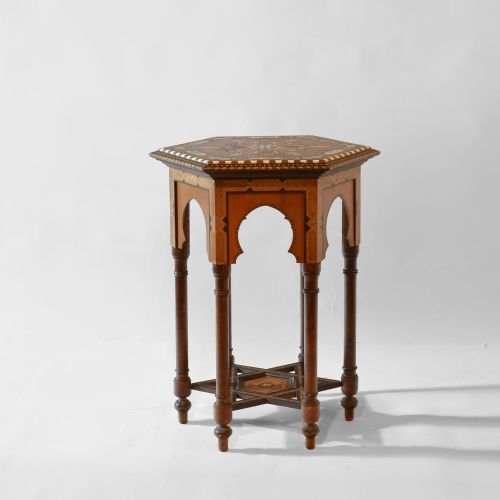
When you search for an eastern inlaid table, you encounter diverse forms spanning side tables, occasional tables, and multi-use games tables originating from the nineteenth and early twentieth centuries. These pieces display distinct influences including Moorish Revival, Ottoman, Syrian, and Levantine styles, reflecting rich regional traditions.
The most common examples on this page are octagonal or hexagonal occasional and side tables designed with folding bases or multi-tiered structures. Such forms suit modern interiors easily while retaining their traditional geometric character and intricate surface decoration.
Alongside standard tables, the selection includes specialised items like metamorphic writing desks and folding Damascus tables. These varied objects demonstrate the versatility of regional woodwork and inlay techniques adapted for domestic use.
How they were made
Makers constructed these pieces from timbers such as walnut, fruitwood, and hardwood, providing a stable foundation for complex decorative schemes. The woodwork relies on precise joinery to shape folding frames, multi-tiered stands, and multi-sided tabletops.
Surfaces receive elaborate ornamentation through the precise placement of bone, mother-of-pearl, and white-metal or copper wire. Artisans set these materials into carved recesses within the wood or brass bases, creating high-contrast geometric and floral patterns.
Eastern Inlaid Table Retail Price Guide 2026
Typical asking prices for eastern inlaid table among the pieces listed under this phrase on Sellingantiques today, from the lower quarter to the upper quarter. They describe what is for sale here now, not the wider market.
Some folding tables possess ingenious hidden hinges that lock the multi-sided top firmly into place without a single screw.
What varies in quality
Quality rests primarily on the precision of the geometric inlay and the completeness of the decorative elements across the surface. Finer examples maintain tight alignment in bone and mother-of-pearl tesserae without noticeable gaps in the surrounding timber.
The complexity of the form and the structural integrity of folding mechanisms also differentiate pieces. Superior items combine intricate openwork or multifaceted designs with robust construction that supports daily utility.
Liberty & Co.
The Eastern Inlaid Table Glossary
- Inlay
- A decorative technique where small pieces of contrasting materials like bone, mother-of-pearl, or metal are inserted into prepared recesses in a wooden or metal base.
- Damascus table
- An octagonal or multi-sided occasional table originating from Syria, heavily decorated with geometric bone and mother-of-pearl inlay.
- Moorish Revival
- An architectural and decorative style popular in the nineteenth century that reinterprets traditional Islamic design motifs from North Africa and the Iberian Peninsula.
- Kursi
- A traditional Middle Eastern low table or stand, often produced in brass with intricate white-metal and copper inlay.
- Metamorphic
- Describing furniture designed to transform its shape or function, such as a table that converts into a writing desk.
Eastern Inlaid Table: Frequently Asked Questions
What is an eastern inlaid table?
An eastern inlaid table is a decorative wooden or metal surface ornamented with geometric patterns formed from bone, mother-of-pearl, or contrasting metals. These pieces originate from regions including Syria, Egypt, and the broader Ottoman sphere.
They encompass side tables, games tables, and multi-tiered stands created during the nineteenth and early twentieth centuries. Each piece reflects specific regional design traditions such as Moorish Revival or Levantine styling.
How were these tables used originally?
These tables served various domestic functions ranging from casual surface placement to dedicated gaming for chess and backgammon. Many octagonal tables featured folding frames designed for easy storage or relocation within the home.
Specialised forms also functioned as writing desks, Quran stands, or low coffee tables. Their portable nature allowed them to adapt to different rooms and social gatherings.
How do I care for an inlaid table?
Care requires maintaining stable indoor humidity levels to prevent the timber from warping and the delicate inlay from loosening. Dusting should be done gently with a dry, soft cloth without applying harsh chemical polishes.
Applying occasional microcrystalline wax helps protect both the wood and the bone or pearl elements. Keeping the table away from direct heat sources and strong sunlight preserves the original materials.
How can I tell the period of a table?
Dating relies on examining the timber types, the style of inlay, and the construction methods used in the frame. Nineteenth-century examples often feature dense hand-carved details and specific regional motifs associated with Ottoman or Syrian workshops.
Early twentieth-century pieces may incorporate modified hardware or lighter internal framing. Comparing the decorative vocabulary to established regional styles helps narrow down the decade of production.