




Earthy Tone Original Painting
An earthy tone original painting brings quiet warmth to a room through grounded pigments and direct observation of landscape and daily life.
Earthy Tone Original Painting
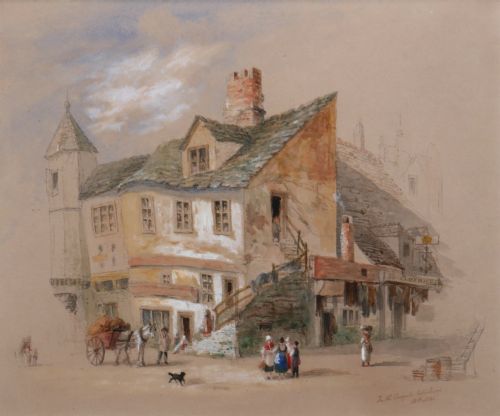
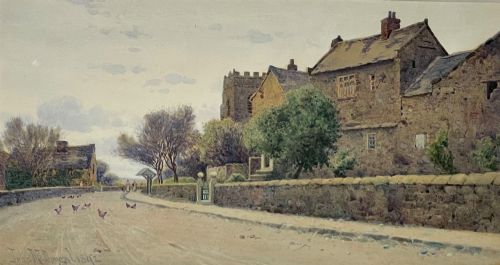
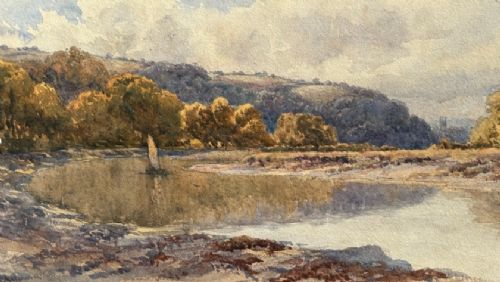
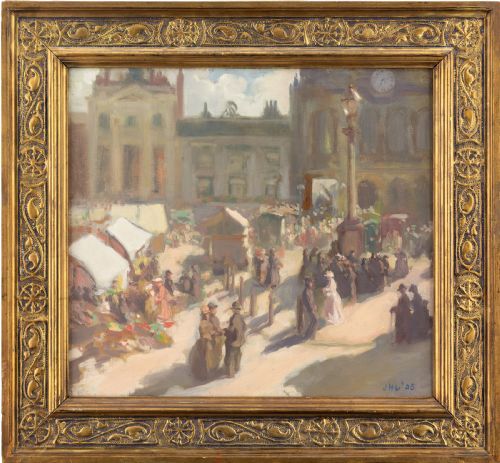
An earthy tone original painting captures natural landscapes, rural farmyards, and market scenes using muted palettes derived from land and stone. When searching for an earthy tone original painting, buyers encounter works executed on canvas, wood panel, paper, and board.
The pieces on this page span from Victorian and Edwardian periods through the 1920s, 1930s, and 1940s, reflecting British Impressionism, Post-Impressionism, and the Scottish School. Landscape watercolours and oil paintings dominate the selection, portraying rivers, moorlands, and village streets.
Makers represented include regional British painters as well as continental artists working within Barbizon and modern groupings. Each artwork is a singular creation rather than a reproduction, carrying the individual touch of the brush upon its primary support.
How these works were made
Artists painted using oil paint or watercolour applied directly to prepared canvas, wood panel, paper, or board. Oil paint provided rich texture and depth, particularly when worked on canvas or laid over wooden supports.
Watercolour washes on paper relied on the luminosity of the underlying sheet to bring light through the pigment. Supports were chosen for their stability and surface tooth, accommodating both delicate handling and heavier impasto.
Earthy Tone Original Painting Retail Price Guide 2026
Typical asking prices for earthy tone original painting among the pieces listed under this phrase on Sellingantiques today, from the lower quarter to the upper quarter. They describe what is for sale here now, not the wider market.
Materials utilised across these listings include oil paint and watercolour applied to paper, canvas, wood, and board.
What varies in quality
Quality rests in the handling of tone and the confidence of the brushwork rather than the subject matter alone. Masterful composition creates a sense of space and atmosphere that lesser hands miss.
Condition of the surface and the preservation of the original pigments determine the visual impact of the piece today. Works that retain their unblemished painted surface and contemporary framing offer a truer encounter with the period.
Tom Campbell·John Hodgson Lobley·James Tower·Herbert Royle·William JB Jenkins
The Earthy Tone Original Painting Glossary
- Canvas
- A heavy woven fabric stretched across a wooden frame to serve as a support for oil paint. It provides a flexible yet durable surface that absorbs pigment well.
- Watercolour
- A paint consisting of water-soluble pigments applied to paper. Transparent washes allow light to reflect from the white paper beneath.
- Wood Panel
- A rigid wooden support used by artists instead of canvas. It offers a firm surface for detailed brushwork.
- Post-Impressionism
- An art movement following Impressionism that explored emotional response and structural form through expressive colour. Artists emphasised symbolic content over naturalistic depiction.
- Barbizon School
- A French movement focused on plein-air landscape painting and natural realism. Painters captured rural scenes directly from observation.
Earthy Tone Original Painting: Frequently Asked Questions
What periods do these paintings come from?
The works originate from the Victorian and Edwardian eras, extending through the 1920s, 1930s, and 1940s. These decades saw strong traditions of landscape and rural genre painting.
Stylistic shifts across these periods move from academic realism toward more expressive interpretations of light and tone. Artists captured changing rural industries and village life.
How should I frame a vintage painting?
Historic works are best housed in frames appropriate to their period and style. Mouldings should complement the palette without overpowering the artwork.
Watercolours require glass protection and acid-free mounts to prevent moisture damage. Oil paintings on canvas generally breathe without glass but benefit from secure backing boards.
Are watercolours fragile?
Watercolours on paper are sensitive to prolonged exposure to direct sunlight. Keeping them away from bright windows preserves the fugitive pigments.
Humidity control is equally important to prevent foxing and paper degradation. Proper framing with archival mats ensures long-term preservation.